
 África
 Asia
Asia Europa
 Sudamérica
 Australia y Oceanía
 Antártida
 Océano Pacífico
 Océano Atlántico
 Océano Índico
 Océano Ártico
 Mar Mediterráneo
 Mar Rojo
 Mar Caribe
 Mar del Coral
 Mar de China Meridional
 Mar de Filipinas
 Mar de Andamán
 Mar del Norte
 Mar de Timor y de Arafura
 Golfo de Bengala
 Golfo de California
Arizona bark scorpion
 Picaduras
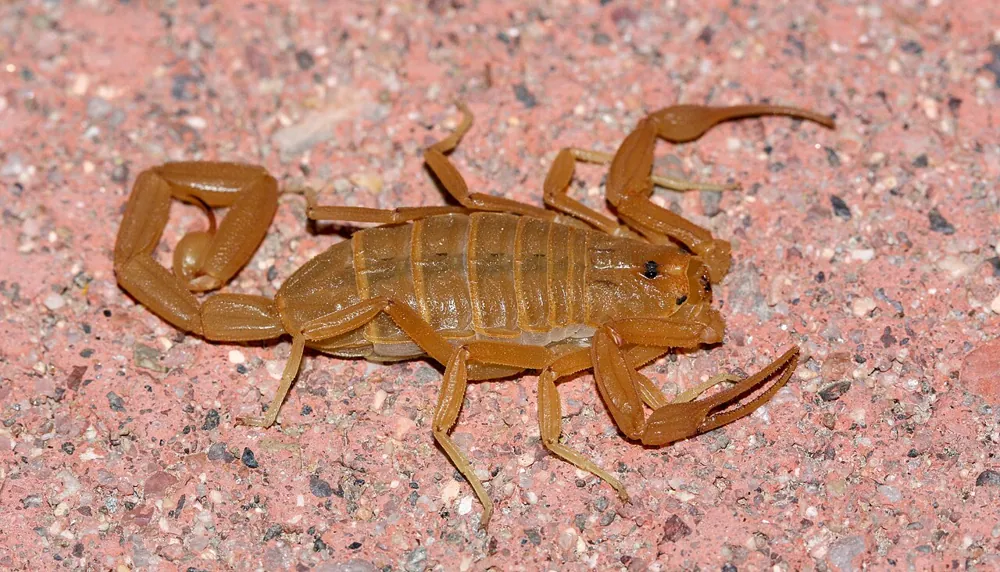
The Arizona bark scorpion is a small, light brown scorpion. It lives in the Sonoran Desert of the southwestern United States and northwestern Mexico. It is the most venomous scorpion in the United States, so it is important to know what it looks like and what to do after a sting.1


 Cómo reconocerlo
- Small and light brown, tan or light beige in colour1
- Adults are up to 8 cm long (males) or up to 7 cm long (females)1
- Glows (fluoresces) under a blacklight, so it can be spotted at night from about six feet away with a UV flashlight1
- Can climb walls, trees and other rough surfaces, and often sits on the underside of objects1
Poder del veneno
El veneno sale por un aguijón.
¿Qué hace su veneno?
The venom causes severe pain in adults, along with numbness, tingling and vomiting. These symptoms typically last between 24 and 72 hours. The stung area may stop working for a time, so a hand or arm can be temporarily immobilised or have convulsions. Some victims also feel short breaths and electrical jolts.1
¿Qué peligro tiene para las personas?
Peligro para las personas: GraveUna picadura necesita médico. Las muertes son muy raras.Two deaths have been recorded in Arizona since 1968. Thousands of people are estimated to be stung each year in Arizona and New Mexico. Young children are at particular risk of severe symptoms.1
 Buena noticia: los médicos tienen un medicamento (antídoto) o un tratamiento para esto.1
¿Qué hace cuando se asusta?
It will not seek out humans unless it is provoked or defending its young.1
 Si pica
- Clean the sting site with soap and water, then apply a cool compress. You can take acetaminophen (paracetamol) or ibuprofen for pain and swelling. Get medical attention straight away if severe symptoms occur, especially in young children.1
- Enfría la picadura con hielo y mantén quieta a la persona. Busca ayuda médica rápido, sobre todo para niños: algunos escorpiones son mortales para los niños.
Llama siempre primero a tu número de emergencias (112, 000, 911). Esto son pautas generales de primeros auxilios, no consejo médico. Primeros auxilios básicos
 Mantente a salvo
- Nunca toques, atrapes ni molestes a un animal salvaje, aunque sea pequeño y aunque parezca dormido o muerto.
- Déjale espacio. Si te encuentras uno, mantén la calma, retrocede despacio y deja que siga su camino.
- Si te pica: mantén la calma, no te muevas, llama a tu número de emergencias (112, 000, 911) o ve rápido a un hospital. Recuerda cómo era, una foto ayuda.
No va a por ti. Usa su veneno para cazar o defenderse, y prefiere mil veces esconderse. Más sobre cómo protegerte
¿En qué parte del mundo?
¿Qué tamaño tiene?
¿Cuánto mide?
 mide como 2,5 piezas de construcción de juguete en fila
 podría recorrer 100 metros en 220 segundos (el humano más rápido necesita 9,6)
¿Qué tamaño tiene Arizona bark scorpion comparado contigo?
Solo cálculos en tu navegador. No se guarda ni se envía nada a ningún sitio.
¿Qué velocidad alcanza?


Datos
Scorpions, including this species, were found near ground zero during American nuclear tests, with no recorded harmful effects.1
Its venom has little effect on grasshopper mice, which scientists found use the toxin as a pain reducer rather than a pain trigger.1
It is the only scorpion genus in the Southwest that can climb rough walls and trees.1
Layers of wax on its outer shell help it resist water loss in the desert.1
Newly moulted scorpions do not glow under UV light for a few days.1
Young scorpions are gently guided onto their mother's back, where they stay after birth.1
Cazamitos
Mito: Scorpions go looking for people to sting them.
Verdad: They will not seek out humans unless they are provoked or defending their young. Many stings happen when people touch a scorpion on the underside of an object, where it is hiding.1
Para expertos en veneno
De dónde salen los datos
- Arizona bark scorpion (Wikipedia (CC BY-SA 4.0))
- Centruroides sculpturatus (iNaturalist): nombres y clasificación.
- Venom Wiki: el nivel de peligro, el tamaño típico y la velocidad estimada son nuestros. Mira cómo los calculamos: Cómo valoramos el peligro.
Cada dato de esta página tiene un número que lleva a su fuente. Si nos hemos equivocado en algo, perdón, somos fans de los animales, no una revista científica. Escríbenos a [email protected] y lo arreglamos.
 ¡El escorpión tiene hambre! Venom Wiki es un proyecto de una sola persona: gratis, sin anuncios y sin rastreadores. Una pequeña propina ayuda a mantenerlo en línea.Alimenta al escorpión
 Cuban blue scorpion
 Striped bark scorpion
 Giant desert hairy scorpion
 Colima scorpion
 Durango scorpion
 Mexican bark scorpion
 Terciopelo
 Eastern coral snake
 Eastern diamondback rattlesnake
 Eyelash viper
 Timber rattlesnake
 Western diamondback rattlesnake