
 África
 Asia
Asia Europa
 Sudamérica
 Australia y Oceanía
 Antártida
 Océano Pacífico
 Océano Atlántico
 Océano Índico
 Océano Ártico
 Mar Mediterráneo
 Mar Rojo
 Mar Caribe
 Mar del Coral
 Mar de China Meridional
 Mar de Filipinas
 Mar de Andamán
 Mar del Norte
 Mar de Timor y de Arafura
 Golfo de Bengala
 Golfo de California
Channel catfish
 Púas venenosas
The channel catfish is a freshwater fish native to North America, and it is the continent's most common catfish. It lives in rivers, lakes, ponds and reservoirs, and it is a popular fish for anglers to catch and eat. It has spines on some of its fins that can cause a small injury if it is handled badly.1



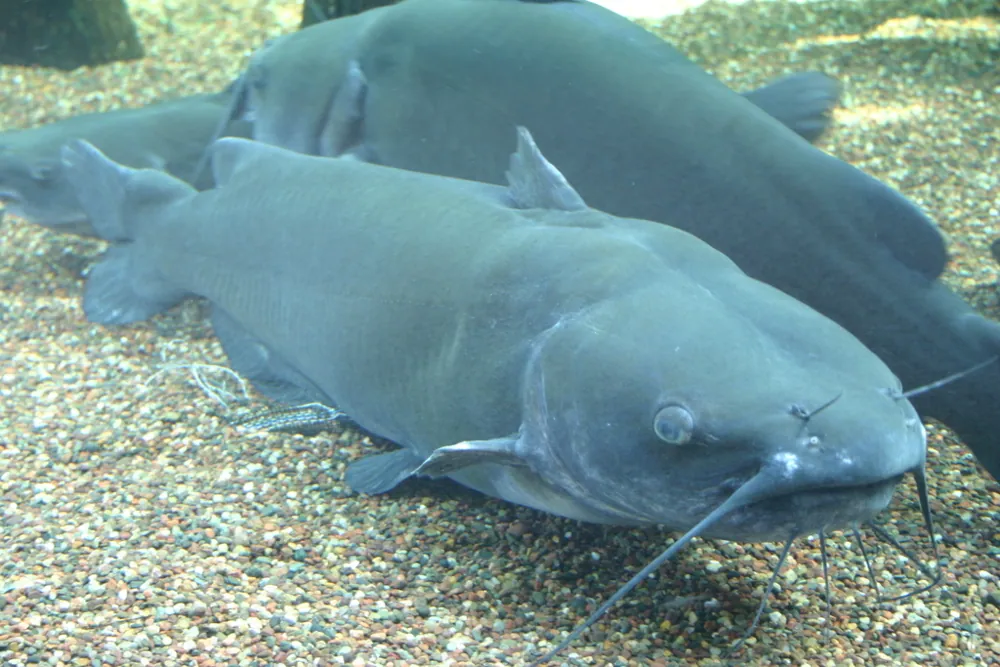
 Cómo reconocerlo
Poder del veneno
Unas púas afiladas llevan el veneno. Pisarlo o agarrarlo duele.
¿Qué hace su veneno?
The pectoral spine has poisonous tissues that help deter predators.1
¿Qué peligro tiene para las personas?
Peligro para las personas: DolorosoPuede doler de verdad, pero casi nunca es grave.Its fin spines may cause injury if the fish is handled improperly. A prick from a spine is no more dangerous than a mosquito sting.1
¿Qué hace cuando se asusta?
It can lock its pectoral spine as a defence, and the serrated, poison-bearing spine helps to deter predators.1
 Si sus púas se te clavan
- Mete la herida en agua caliente, tan caliente como la persona aguante sin quemarse (pruébala con tu propia mano), de 30 a 90 minutos. Busca ayuda médica, sobre todo con peces piedra y rayas.
Llama siempre primero a tu número de emergencias (112, 000, 911). Esto son pautas generales de primeros auxilios, no consejo médico. Primeros auxilios básicos
 Mantente a salvo
- Nunca toques, atrapes ni molestes a un animal salvaje, aunque sea pequeño y aunque parezca dormido o muerto.
- Déjale espacio. Si te encuentras uno, mantén la calma, retrocede despacio y deja que siga su camino.
- Si sus púas se te clavan: mantén la calma, no te muevas, llama a tu número de emergencias (112, 000, 911) o ve rápido a un hospital. Recuerda cómo era, una foto ayuda.
No va a por ti. Usa su veneno para cazar o defenderse, y prefiere mil veces esconderse. Más sobre cómo protegerte
¿En qué parte del mundo?
¿Qué tamaño tiene?
¿Cuánto mide?
¿Cuánto pesa?

 mide como 9 piezas de construcción de juguete en fila
 podría nadar el largo de una piscina grande (50 m) en 21 segundos
¿Qué tamaño tiene Channel catfish comparado contigo?
Solo cálculos en tu navegador. No se guarda ni se envía nada a ningún sitio.
¿Qué velocidad alcanza?

Datos
Taste buds cover the whole body, and they are most dense on the four pairs of barbels around the mouth.1
They can sense certain amino acids in water at about one part per 100 million, which helps them find food in murky water.1
The largest channel catfish on record weighed 26 kg and was caught in South Carolina in 1964.1
Channel catfish are the most fished catfish in the United States, with around 8 million anglers catching them each year.1
Fossils of this species have been found in central North America from the Miocene onwards, and the species has lasted for nearly 20 million years.1
Kansas, Missouri, Nebraska and Tennessee have made the channel catfish their official state fish.1
Cazamitos
Mito: Channel catfish barbels can sting when touched.
Verdad: The barbels cannot sting. The spines on the pectoral and dorsal fins are the only part that can cause injury.1
Para expertos en veneno
De dónde salen los datos
- Channel catfish (Wikipedia (CC BY-SA 4.0))
- Ictalurus punctatus (iNaturalist): nombres y clasificación.
- Venom Wiki: el nivel de peligro, el tamaño típico y la velocidad estimada son nuestros. Mira cómo los calculamos: Cómo valoramos el peligro.
Cada dato de esta página tiene un número que lleva a su fuente. Si nos hemos equivocado en algo, perdón, somos fans de los animales, no una revista científica. Escríbenos a [email protected] y lo arreglamos.
 ¡El escorpión tiene hambre! Venom Wiki es un proyecto de una sola persona: gratis, sin anuncios y sin rastreadores. Una pequeña propina ayuda a mantenerlo en línea.Alimenta al escorpión
 Brown bullhead
 Carolina madtom
 Margined madtom
 Stonecat
 Tadpole madtom
 Reef stonefish
 Terciopelo
 Eastern coral snake
 Eastern diamondback rattlesnake
 Eyelash viper
 Timber rattlesnake
 Western diamondback rattlesnake