
 África
 Asia
Asia Europa
 Sudamérica
 Australia y Oceanía
 Antártida
 Océano Pacífico
 Océano Atlántico
 Océano Índico
 Océano Ártico
 Mar Mediterráneo
 Mar Rojo
 Mar Caribe
 Mar del Coral
 Mar de China Meridional
 Mar de Filipinas
 Mar de Andamán
 Mar del Norte
 Mar de Timor y de Arafura
 Golfo de Bengala
 Golfo de California
Common death adder
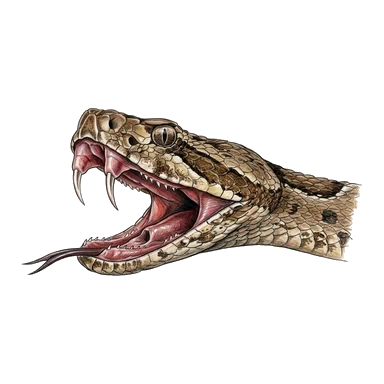 Mordeduras
The common death adder is a snake from Australia that is one of the most venomous land snakes in the country and in the world. It lives in forests, woodlands, grasslands and heaths on the east coast, and it hides so well that people can walk right past it. It is worth knowing about because its hunting style makes it more dangerous to people in bushland than other venomous snakes.1
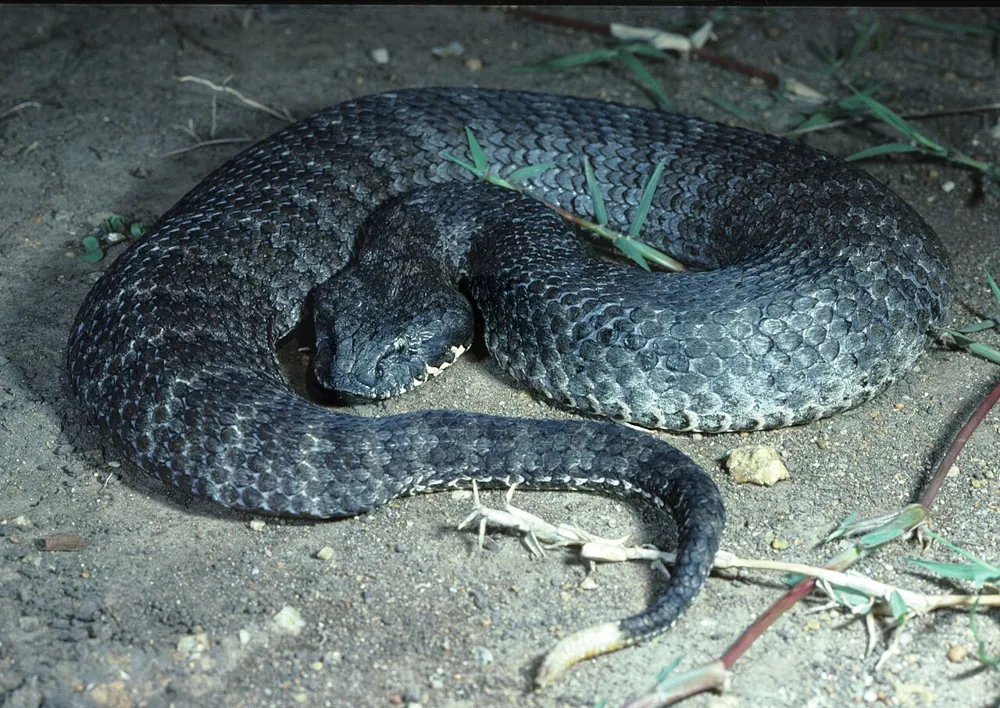
 Cómo reconocerlo
- Broad, flattened, triangular head1
- Thick body with bands of red, brown and black1
- Grey, cream or pink belly1
- Can reach a maximum body length of 70 to 100 cm1
Se confunde a menudo con: The common or European adder (Vipera berus) is sometimes mentioned as a snake it can be compared with. The two are not closely related: the common death adder belongs to the Elapidae family, while the European adder belongs to the Viperidae family, which is not found in Australia.1
Poder del veneno
El veneno sale por sus colmillos o dientes cuando muerde.
¿Qué hace su veneno?
It is one of the most venomous land snakes in Australia and in the world, and it injects venom when it strikes. After striking, it waits for the prey to die before eating it.1
¿Qué peligro tiene para las personas?
Peligro para las personas: MortalUno de los animales más peligrosos del mundo.It is not aggressive, but its habit of lying still and relying on camouflage rather than fleeing makes it more dangerous to people who walk into bushland than other elapid snakes. Its ambush style means people may not see it before they are close enough to be bitten.1
¿Qué hace cuando se asusta?
It relies on camouflage rather than flight to avoid threats.1
 Si muerde
- Inmovilización con presión: envuelve con una venda elástica firme la mordedura y luego toda la extremidad, ponle una férula y mantén a la persona totalmente quieta hasta que llegue la ayuda.
- No laves la mordedura: en el hospital pueden analizar el veneno que queda en la piel para elegir el antídoto correcto.
Llama siempre primero a tu número de emergencias (112, 000, 911). Esto son pautas generales de primeros auxilios, no consejo médico. Primeros auxilios básicos
 Mantente a salvo
- Nunca toques, atrapes ni molestes a un animal salvaje, aunque sea pequeño y aunque parezca dormido o muerto.
- Déjale espacio. Si te encuentras uno, mantén la calma, retrocede despacio y deja que siga su camino.
- Si te muerde: mantén la calma, no te muevas, llama a tu número de emergencias (112, 000, 911) o ve rápido a un hospital. Recuerda cómo era, una foto ayuda.
No va a por ti. Usa su veneno para cazar o defenderse, y prefiere mil veces esconderse. Más sobre cómo protegerte
¿En qué parte del mundo?
¿Qué tamaño tiene?
¿Cuánto mide?
 mide como 2 gatos domésticos de la nariz a la cola
 mide como 6 plátanos puestos en fila
 podría recorrer 100 metros en 58 segundos (el humano más rápido necesita 9,6)
¿Qué tamaño tiene Common death adder comparado contigo?
Solo cálculos en tu navegador. No se guarda ni se envía nada a ningún sitio.
¿Qué velocidad alcanza?


Datos
It can wait in one spot for many days, covered in leaves, with its tail twitching like a grub to lure prey in.1
Cane toads are a threat to it: the toads eat young death adders, and adult death adders that eat the toads are poisoned by the toxic glands on the toads' skin.1
Unlike the European adder, which is a viper, the common death adder belongs to the Elapidae family, which is not found in Australia's viper family.1
A single litter can contain more than 30 young, although the usual range is about 3 to 20.1
Para expertos en veneno
- Nombre científico
- Acanthophis antarcticus
- Grupo
- Serpientes australianas
- Familia
- Elapidae2
- Orden
- Squamata
- Continentes
- Australia y Oceanía
- Crías
- Unlike most snakes, it gives birth to live young. A female produces a litter in late summer of approximately 3 to 20 young, and over 30 young have been recorded in a single litter.1
- Peligro para las personas
- 5 / 5: Mortal3
De dónde salen los datos
- Common death adder (Wikipedia (CC BY-SA 4.0))
- Acanthophis antarcticus (iNaturalist): nombres y clasificación.
- Venom Wiki: el nivel de peligro, el tamaño típico y la velocidad estimada son nuestros. Mira cómo los calculamos: Cómo valoramos el peligro.
Cada dato de esta página tiene un número que lleva a su fuente. Si nos hemos equivocado en algo, perdón, somos fans de los animales, no una revista científica. Escríbenos a [email protected] y lo arreglamos.
 ¡El escorpión tiene hambre! Venom Wiki es un proyecto de una sola persona: gratis, sin anuncios y sin rastreadores. Una pequeña propina ayuda a mantenerlo en línea.Alimenta al escorpión
Más del mismo grupo: Serpientes australianas
 Coastal taipan
 Eastern brown snake
 Taipán del interior
 Serpiente tigre
 Collett's snake
 Desert death adder
También vive en: Australia y Oceanía
 Sydney funnel-web spiderTarántulas y arañas de tela en embudoMortal
 Redback spiderArañasNecesita médico
 Brown tree snakeSerpientes de colmillos traserosSolo duele
 Hooded pitohuiOtros animales tóxicosSolo dueleNo tocar
 PlatypusMamíferos venenososSolo duele
 Northern tree-dwelling funnel-web spiderTarántulas y arañas de tela en embudoMortal