
 Afrika
 Asia
Asia Europa
 Hego Amerika
 Australia eta Ozeania
 Antartika
 Ozeano Barea
 Ozeano Atlantikoa
 Ozeano Indikoa
 Ozeano Artikoa
 Mediterraneo itsasoa
 Itsaso Gorria
 Karibe itsasoa
 Koralen itsasoa
 Hego Txinako itsasoa
 Filipinetako itsasoa
 Andaman itsasoa
 Ipar itsasoa
 Timor eta Arafura itsasoak
 Bengalako golkoa
 Kaliforniako golkoa
Belcher's sea snake
 Koska
KoskaBelcher's sea snake is a sea snake with very strong venom. It has a shy nature and usually bites only when it is badly mistreated. Fishermen handling nets are the people most often bitten.1
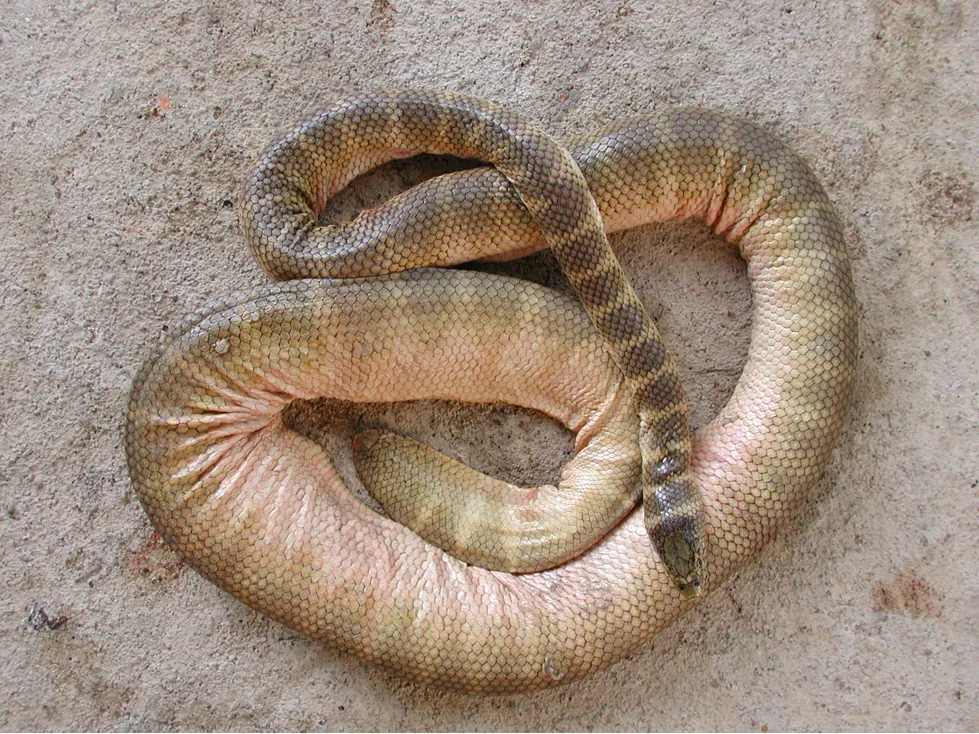
 Nola ezagutu
- Usually chrome yellowish in colour, with dark greenish crossbands on the body1
- The dorsal pattern does not extend onto the belly1
- Short head with bands of the same colours1
- Adults are about 50 to 100 cm long1
- Out of water, the body looks faintly yellow1
Askotan honekin nahasten da: It has been mistakenly called the hook-nosed sea snake (Enhydrina schistosa), which is a different species. It has also once been called the blue-banded sea snake, which is a common name for Hydrophis cyanocinctus.1
Pozoi-ahalmena
Pozoia letaginetatik edo hortzetatik ateratzen da kosk egiten duenean.
Zer egiten du bere pozoiak?
Not much is known about this species' venom. Its LD50 in mice, the dose that kills half of the test animals, is 0.24 mg/kg when injected into muscle.1
Zein arriskutsua da pertsonentzat?
Arriskua pertsonentzat: Oso arriskutsuaTratamendurik jasotzen ez duen pertsona bat hil dezake.It is described as extremely venomous. Usually those bitten are fishermen handling nets, and only about one quarter of those bitten are envenomated, meaning venom is injected, because the snake rarely injects much venom.1
Zer egiten du beldurtzen denean?
It has a timid temperament and would normally have to be severely mistreated before it bites.1
 Kosk egiten badu
- Presio-immobilizazioa: bildu benda elastiko sendo bat koskaren gainean eta gero gorputz-adar osoan gora, immobilizatu ferula batekin, eta eutsi pertsona guztiz geldi laguntza iritsi arte.
- Atera pertsona uretatik eta eraman ospitalera azkar.
Deitu beti lehenik zure larrialdi-zenbakira (112, 000, 911). Lehen sorospenei buruzko orientabide orokorra da hau, ez mediku-aholkua. Lehen sorospenen oinarriak
 Egon seguru
- Ez ukitu, ez harrapatu eta ez zirikatu inoiz animalia basati bat, txikia izan arren, eta lo edo hilda dagoela badirudi ere.
- Utzi tartea. Bat aurkitzen baduzu, egon lasai, egin atzera poliki eta utzi bere bidetik joaten.
- Batek kosk egiten badizu: egon lasai, egon geldi, deitu zure larrialdi-zenbakira (112, 000, 911) edo joan ospitalera azkar. Gogoratu nolakoa zen, argazki batek laguntzen du.
Ez dabil zure atzetik. Pozoia janaria harrapatzeko edo bere burua babesteko erabiltzen du, eta askoz nahiago du ezkutatu. Seguru egoteari buruz gehiago
Munduko zein tokitan?
Zein handia da?
Zein luzea da?
 2 etxeko katu muturretik buztanera jarrita bezain luzea
 6 banana bata bestearen atzetik jarrita bezain luzea
 igerileku handi baten luzera (50 m) igerian egin lezake 47 segundotan
Zein handia da Belcher's sea snake ZUREKIN alderatuta?
Matematika hutsa zure nabigatzailean. Ez da ezer gordetzen, ezta inora bidaltzen ere.
Zein azkarra da?
Datuak
Mito-hauslea
Mitoa: Belcher's sea snake, often called the hook-nosed sea snake, is the most venomous snake in the world.
Egia: This idea spread from a 1996 book, which lumped together toxicity results from different test methods. Venoms can only be compared within the same testing method. The most venomous sea snake is Dubois' seasnake (Aipysurus duboisii).1
Datuak nondik datozen
- Hydrophis belcheri (Wikipedia (CC BY-SA 4.0))
- Hydrophis belcheri (iNaturalist): izenak eta sailkapena.
- Venom Wiki: arrisku-maila, ohiko tamaina eta abiadura-kalkulua geureak dira. Ikusi nola kalkulatzen ditugun: Nola baloratzen dugun arriskua.
Orrialde honetako datu bakoitzak zenbaki bat du, bere iturrira eramaten zaituena. Zerbait gaizki badugu, barkatu, animalien zaleak gara, ez zientzia-aldizkari bat. Esaiguzu [email protected] helbidean eta konponduko dugu.
 Eskorpioia gose da! Venom Wiki pertsona bakar baten proiektua da: doakoa, iragarkirik eta jarraitzailerik gabe. Eskupeko txiki batek sarean mantentzen laguntzen du.Elikatu eskorpioia
Talde bereko gehiago: Itsas sugeak
 Beaked sea snake
 Black-banded sea krait
 Blue-lipped sea krait
 Dubois' sea snake
 Olive sea snake
 Yellow-lipped sea krait
Hemen ere bizi da: Ozeano Indikoa
 Australian box jellyfishMarmokak eta itsasoko izaki ziztatzaileakHilgarriaEz ukitu
 Geography coneKono-barraskiloak eta olagarroakHilgarria
 Greater blue-ringed octopusKono-barraskiloak eta olagarroakHilgarria
 Southern blue-ringed octopusKono-barraskiloak eta olagarroakHilgarria
 Hawksbill sea turtleBeste animalia toxiko batzukHil dezake
 Irukandji jellyfishMarmokak eta itsasoko izaki ziztatzaileakHil dezakeEz ukitu