
 آفریقا
 آسیا
آسیا اروپا
اروپا آمریکای جنوبی
 استرالیا و اقیانوسیه
 قطب جنوب
 اقیانوس آرام
 اقیانوس اطلس
 اقیانوس هند
 اقیانوس منجمد شمالی
 دریای مدیترانه
 دریای سرخ
 دریای کارائیب
 دریای مرجان
 دریای چین جنوبی
 دریای فیلیپین
 دریای آندامان
 دریای شمال
 دریای تیمور و آرافورا
 خلیج بنگال
 خلیج کالیفرنیا
Plate fire coral
 نیشها
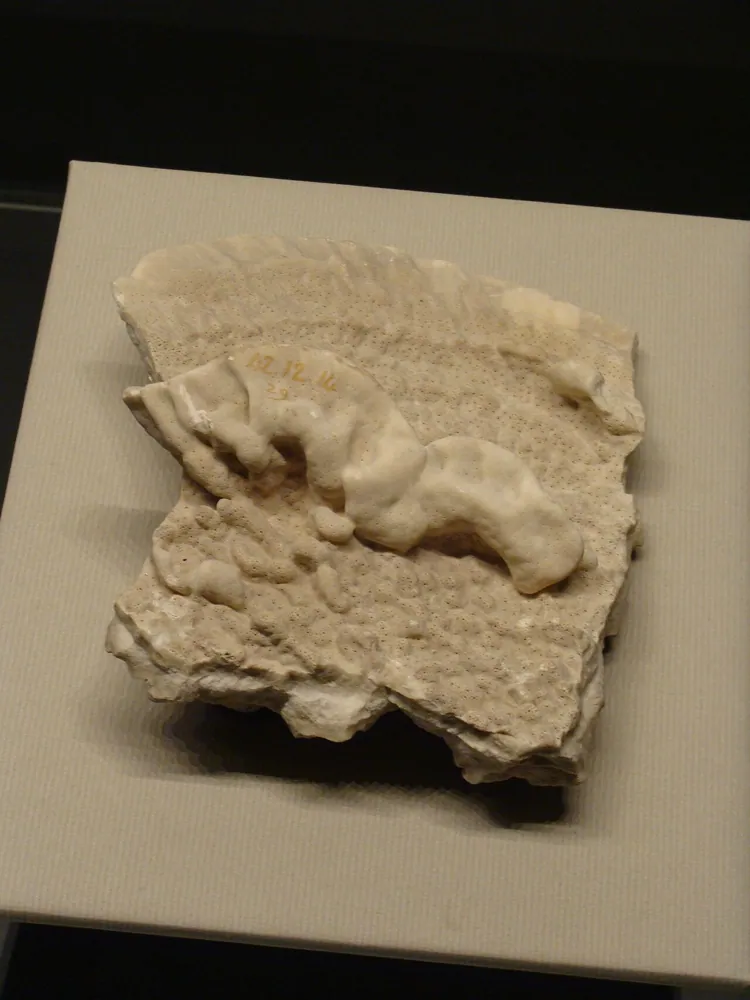
نیشهاPlate fire coral is a reef-building animal that looks like a coral but is actually a relative of jellyfish. It grows in shallow, sunny reef water across the Indo-Pacific, from the Red Sea and East Africa to northern Australia and French Polynesia. It matters because it helps build reefs and can give a painful burning sting.1


 چطور آن را بشناسی
- Colonies are yellow-green or light-brown, and the tips may be white.1
- It usually grows in plate-like or blade-like forms, though it can also form branches, fans or encrusting layers.1
- Colonies often measure 200 to 300 cm across and can be up to 200 cm high.1
اغلب با این اشتباه گرفته میشود: Other fire corals, such as Millepora dichotoma and Millepora exaesa, are often confused with it. Plate fire coral is generally plate-like or blade-like, which helps tell it apart from them.1
قدرت زهر
زهر از راه یک نیش بیرون میآید.
زهرش چه کار میکند؟
Its defensive polyps carry stinging cells called nematocysts. Contact with them causes a burning sensation in humans.1
برای آدمها چقدر خطرناک است؟
خطر برای آدمها: دردناکمیتواند خیلی درد داشته باشد، ولی تقریباً هیچوقت خطرناک نیست.وقتی میترسد چه کار میکند؟
Its defensive polyps have long tentacles that sting anything that touches them.1
 اگر نیش بزند
- از آب بیرون بیا و هر شاخکی را که چسبیده بردار (با دستکش یا یک پارچه).
- برای عروس دریایی جعبهای گرمسیری: دستکم 30 ثانیه سرکه روی جای نیشها بریز، کمک بخواه و آماده باش احیای قلبی ریوی (CPR) انجام بدهی. برای بطریآبیها و بیشتر انواع دیگر: با آب دریا آبکشی کن، بعد برای درد، آب داغ بریز.
همیشه اول با شمارهی اورژانس تماس بگیر (112، 000، 911). این یک راهنمای عمومی کمکهای اولیه است، نه توصیهی پزشکی. اصول کمکهای اولیه
 در امان بمان
- هیچوقت به یک جانور وحشی دست نزن، آن را نگیر یا اذیتش نکن، حتی اگر کوچک باشد، و حتی اگر خواب یا مرده به نظر برسد.
- از آن فاصله بگیر. اگر یکی دیدی، آرام بمان، آهسته عقب برو و بگذار راه خودش را برود.
- اگر یکی از آنها تو را نیش زد: آرام بمان، بیحرکت بمان، با شمارهی اورژانس تماس بگیر (112، 000، 911) یا سریع به بیمارستان برو. یادت بماند چه شکلی بود، یک عکس کمک میکند.
دنبال تو نیست. از زهرش برای شکار غذا یا دفاع از خودش استفاده میکند، و خیلی بیشتر دوست دارد قایم شود. بیشتر دربارهی ایمن ماندن
کجای دنیا؟
چقدر بزرگ است؟
چقدر دراز است؟
 به درازای 3 سگ که پشت سر هم ایستادهاند
 به درازای 17 موز که پشت سر هم گذاشته شدهاند
 آهستهتر از یک حلزون باغچه
Plate fire coral در مقایسه با تو چقدر بزرگ است؟
فقط محاسبه در مرورگر خودت. هیچ چیزی ذخیره یا به جایی فرستاده نمیشود.
چقدر سریع است؟


نکتهها
Despite its name, plate fire coral is not a true coral. It belongs to the class Hydrozoa, which is separate from the stony and soft corals.1
It has two kinds of polyps: feeding polyps for catching food and defensive polyps with longer tentacles for protection.1
Its colonies can break into fragments during rough water, and these fragments can drift and start new colonies on nearby reefs.1
It can take many forms, including branches, fans, plates, blades and encrusting layers, and its shape depends on where it grows.1
It was once thought to have disappeared from the Eastern Pacific after bleaching events, but researchers later confirmed that its range extends back there.1
It helps build reefs in the Indo-Pacific region.1
افسانهشکن
افسانه: Plate fire coral is a true coral.
حقیقت: It is a hydrozoan, not a true coral, and is separate from the stony and soft corals.1
برای کارشناسان زهر
- نام علمی
- Millepora platyphylla
- گروه
- عروسهای دریایی و نیشزنهای دریا
- خانواده
- Milleporidae2
- راسته
- Anthoathecata
- قارهها
- اقیانوس آرام, اقیانوس هند, دریای سرخ, دریای مرجان, دریای فیلیپین, دریای تیمور و آرافورا, خلیج بنگال, اقیانوسها
- نوزادها
- It releases reproductive buds that send eggs and sperm into the water, where fertilisation happens outside the body. The free-swimming larvae settle and become polyps after about 1 day.1
- خطر برای آدمها
- 2 / 5: دردناک3
نکتهها از کجا آمدهاند
- Millepora platyphylla (Wikipedia (CC BY-SA 4.0))
- Millepora platyphylla (iNaturalist): نامها و طبقهبندی.
- Venom Wiki: سطح خطر، اندازهی معمول و حدس سرعت را خودمان تعیین کردهایم. ببین چطور حسابشان میکنیم: چطور خطر را امتیاز میدهیم.
هر نکته در این صفحه یک شماره دارد که به منبعش اشاره میکند. اگر چیزی را اشتباه گفتهایم، ببخشید، ما عاشق جانورانیم، نه یک مجلهی علمی. به ما در [email protected] خبر بده تا درستش کنیم.
 عقرب گرسنه است! Venom Wiki یک پروژهی یکنفره است: رایگان، بدون تبلیغ و بدون ردیاب. یک انعام کوچک کمک میکند آنلاین بماند.به عقرب غذا بده
بیشتر از همین گروه: عروسهای دریایی و نیشزنهای دریا
 Australian box jellyfishعروسهای دریایی و نیشزنهای دریاکشندهدست نزن
 Irukandji jellyfishعروسهای دریایی و نیشزنهای دریامیتواند بکشددست نزن
 Portuguese man o' warعروسهای دریایی و نیشزنهای دریابه دکتر نیاز دارددست نزن
 Lion's mane jellyfishعروسهای دریایی و نیشزنهای دریافقط درد دارددست نزن
 Moon jellyfishعروسهای دریایی و نیشزنهای دریابیخطر
 Common kingslayerعروسهای دریایی و نیشزنهای دریامیتواند بکشددست نزن
همچنین زندگی میکند در: اقیانوس آرام
 Geography coneحلزونهای مخروطی و هشتپاهاکشنده
 Greater blue-ringed octopusحلزونهای مخروطی و هشتپاهاکشنده
 Japanese pufferfishجانوران سمی دیگرکشنده
 Southern blue-ringed octopusحلزونهای مخروطی و هشتپاهاکشنده
 Hawksbill sea turtleجانوران سمی دیگرمیتواند بکشد
 Reef stonefishماهیهای زهرآگینمیتواند بکشددست نزن