
 Afrikka
 Aasia
Aasia Eurooppa
 Etelä-Amerikka
 Australia ja Oseania
 Etelämanner
 Tyynimeri
 Atlantti
 Intian valtameri
 Pohjoinen jäämeri
 Välimeri
 Punainenmeri
 Karibianmeri
 Korallimeri
 Etelä-Kiinan meri
 Filippiinienmeri
 Andamaanienmeri
 Pohjanmeri
 Timorinmeri ja Arafuranmeri
 Bengalinlahti
 Kalifornianlahti
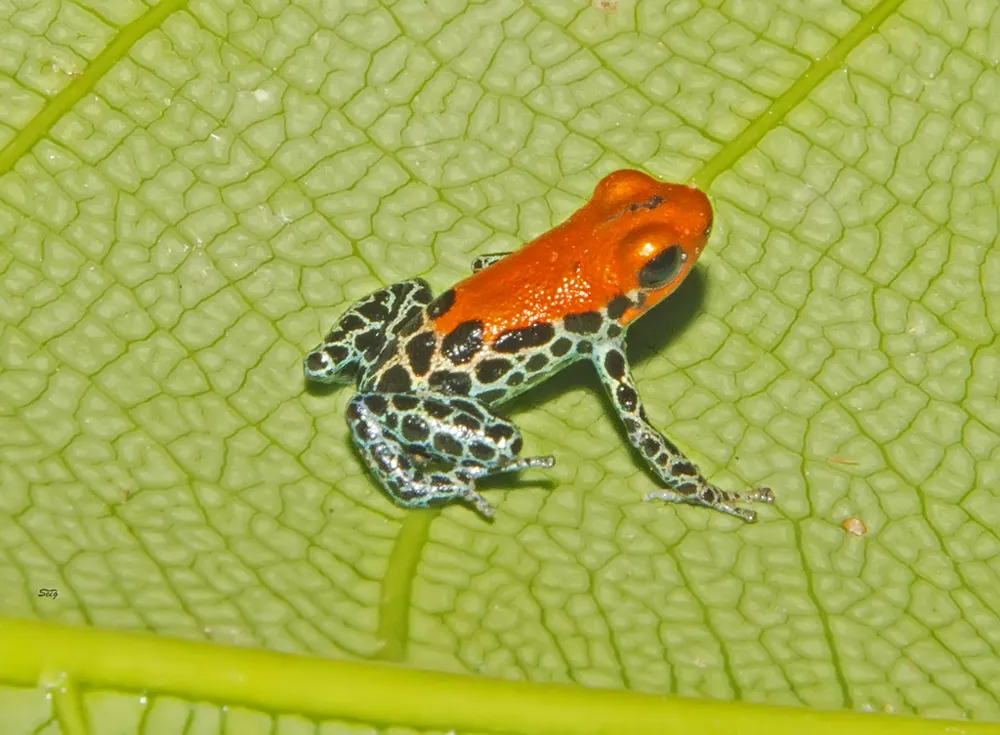
Red-backed poison frog
 Myrkkyä ihossaSyö: HyönteisetPassiivisesti myrkyllinen, ei aktiivisesti myrkyllinen
The red-backed poison frog is a tiny frog that lives high in the Amazon rainforest of Peru and Ecuador. It is moderately poisonous, and its skin poison can cause serious injury to people. Its bright red back warns predators to stay away.1



 Näin tunnistat sen
Myrkkyvoima
Sen iho on myrkyllinen. Siihen on vaarallista koskea, sitä on vaarallista nuolla tai syödä.
Mitä sen myrkky tekee, jos siihen koskee tai sen syö?
This frog is poisonous, not venomous, so it does not bite or sting. Its poison is stored in skin glands just beneath the outer layer of skin. It seeps through open wounds, body openings and pores. The poison can cause serious injury to humans and death in animals such as chickens.1
Kuinka vaarallinen se on ihmisille?
Vaara ihmisille: KivuliasSe voi sattua tosi paljon, mutta se ei ole juuri koskaan vakavaa.The poison is moderately toxic and can cause serious injury to humans.1
Mitä se tekee, kun se pelästyy?
When it is threatened, it shows its bright warning colours, climbs trees to escape, or uses its poison if it cannot get away.1
 Jos joku koski siihen tai söi sitä
- Jos joku on koskenut sellaiseen: pese kädet hyvin äläkä koske silmiin tai suuhun. Jos lapsi tai lemmikki on nuollut tai syönyt sellaisen: soita Myrkytystietokeskukseen tai hätänumeroon.
Soita aina ensin hätänumeroon (112, 000, 911). Nämä ovat yleisiä ensiapuohjeita, eivät lääketieteellisiä neuvoja. Ensiavun perusteet
 Pysy turvassa
- Älä koskaan koske villieläimeen, pyydystä sitä tai kiusaa sitä, ei edes pientä, eikä silloinkaan, kun se näyttää nukkuvan tai olevan kuollut.
- Anna sille tilaa. Jos kohtaat sellaisen, pysy rauhallisena, peräänny hitaasti ja anna sen mennä omaa tietään.
- Jos kosketit sitä tai söit sitä: älä hiero silmiäsi tai suutasi, pese kätesi ja hae lääkärin apua.
Se ei ole sinun perässäsi. Sen myrkky on olemassa vain siksi, ettei kukaan söisi sitä. Lisää turvallisuudesta
Missä päin maailmaa?
Kuinka iso se on?
Kuinka pitkä se on?
 lyhyempi kuin pikkusormesi
 voisi juosta 100 metriä 110 sekunnissa (nopein ihminen tarvitsee 9,6)
Kuinka iso Red-backed poison frog on SINUUN verrattuna?
Pelkkää matematiikkaa selaimessasi. Mitään ei tallenneta eikä lähetetä minnekään.
Kuinka nopea se on?


Faktat
Males stick the tadpoles to their backs using a water-soluble mucus, then carry them into the canopy.1
Males place the tadpoles in tiny pools that collect in the centre of bromeliad plants. The mother then feeds them infertile eggs laid in the water.1
Once they become froglets, the young are led to an existing group, where all members accept them, though only their parents care for them.1
It is the second most poisonous frog in its genus Ranitomeya, after R. variabilis.1
Breeding gatherings take place at the end of the wet season, so the eggs are laid at the start of the next wet season, when the young have a steady supply of water.1
Deforestation for charcoal and the capture of frogs for the international pet trade are the main threats to it.1
Myrkkyasiantuntijoille
- Tieteellinen nimi
- Ranitomeya reticulata
- Ryhmä
- Nuolimyrkkysammakot, konnat ja vesiliskot
- Perhe
- Dendrobatidae2
- Järjestys
- Anura
- Maanosat
- Etelä-Amerikka
- Vauvat
- Females lay eggs on the ground, and after the eggs hatch, males carry the tadpoles up into the canopy.1
- Miten sillä menee luonnossa
- Least Concern1
- Vaara ihmisille
- 2 / 5: Kivulias3
Mistä tiedot ovat peräisin
- Red-backed poison frog (Wikipedia (CC BY-SA 4.0))
- Ranitomeya reticulata (iNaturalist): nimet ja luokittelu.
- Venom Wiki: vaarataso, tyypillinen koko ja nopeusarvio ovat omia arvioitamme. Katso, miten laskemme ne: Näin arvioimme vaaran.
Jokaisella tämän sivun tiedolla on numero, joka viittaa sen lähteeseen. Jos jokin meni pieleen, anteeksi, olemme eläinfaneja emmekä tiedelehti. Kerro meille osoitteeseen [email protected], niin korjaamme sen.
 Skorpionilla on nälkä! Venom Wiki on yhden miehen projekti: ilmainen, ilman mainoksia ja ilman seurantaa. Pieni tippi auttaa pitämään sen verkossa.Ruoki skorpioni
Lisää samasta ryhmästä: Nuolimyrkkysammakot, konnat ja vesiliskot
 KultanuolimyrkkysammakkoNuolimyrkkysammakot, konnat ja vesiliskotTappavaÄlä koske
 Cane toadNuolimyrkkysammakot, konnat ja vesiliskotVaatii lääkäriäÄlä koske
 Dyeing poison dart frogNuolimyrkkysammakot, konnat ja vesiliskotSattuu vainÄlä koske
 Black-legged poison frogNuolimyrkkysammakot, konnat ja vesiliskotVoi tappaaÄlä koske
 Bruno's casque-headed frogNuolimyrkkysammakot, konnat ja vesiliskotVaatii lääkäriäÄlä koske
 Harlequin poison frogNuolimyrkkysammakot, konnat ja vesiliskotVaatii lääkäriäÄlä koske
 Terciopelo
 Brazilian wandering spider
 Eyelash viper
 Golden lancehead
 South American bushmaster
 Peruvian giant centipede