
 Afrique
 Asie
Asie Europe
 Amérique du Sud
 Australie et Océanie
 Antarctique
 Océan Pacifique
 Océan Atlantique
 Océan Indien
 Océan Arctique
 Mer Méditerranée
 Mer Rouge
 Mer des Caraïbes
 Mer de Corail
 Mer de Chine méridionale
 Mer des Philippines
 Mer d'Andaman
 Mer du Nord
 Mer de Timor et d'Arafura
 Golfe du Bengale
 Golfe de Californie
Pine processionary
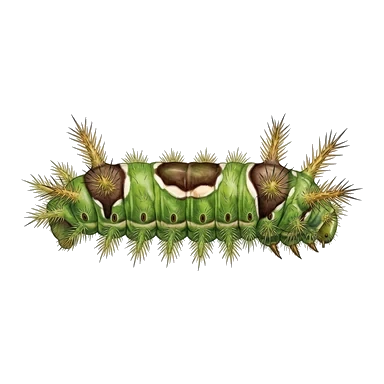 Poils urticants
The pine processionary is a moth whose caterpillars are famous for marching in long, nose-to-tail lines through pine woods. Their hairs cause painful rashes and eye irritation, and they can strip the needles from whole trees. It lives around the Mediterranean and is spreading north.1
 Comment le reconnaître
- Caterpillars are orange-brown and hairy, with blue bands.1
- Large silken nests in pine trees, often with several in one tree and signs of stripped needles.1
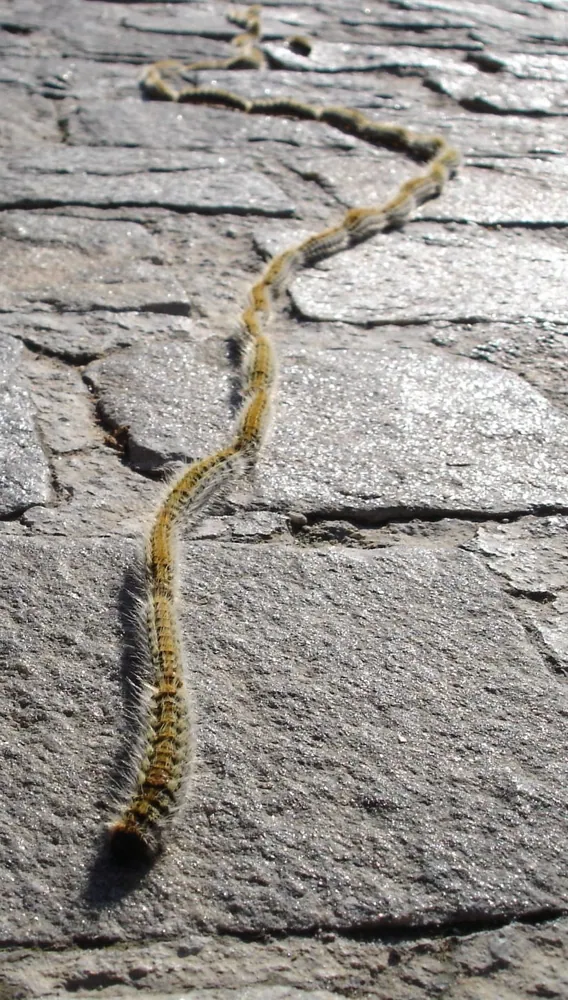
- Caterpillars move in single-file processions, usually at night and when leaving the tree to pupate.1
- Adults have predominantly light brown forewings with brown markings and white hindwings.1
- Adult males have a crescent marking on the wings and are larger than the oak processionary.1
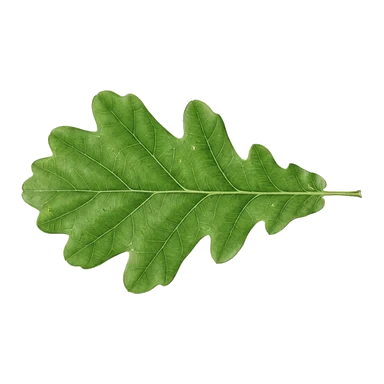
Souvent confondu avec : The oak processionary (Thaumetopoea processionea) is smaller as an adult, has an indistinct wing marking rather than a crescent, and lives in broad-leaved rather than coniferous forests. The pale eggar moth has no crescent marking on its wings.1
Puissance du venin
De minuscules poils se cassent dans la peau et piquent.
Que fait son venin ?
The species is not venomous. Its caterpillars have hairs containing an irritant chemical called thaumetopoein, which causes skin rashes (urticaria) and eye irritation on contact. Some people may have an allergic reaction. The hairs of fifth-stage larvae can also break off and spread across nearby exposed skin.1
À quel point est-il dangereux pour l'homme ?
Danger pour l'homme: DouloureuxÇa peut faire très mal, mais ce n'est presque jamais grave.Simple contact with the caterpillar hairs can cause severe rashes and eye irritation in humans and other mammals. Some individuals may have an allergic reaction.1
Que fait-il quand il a peur ?
When stressed or threatened, fifth-stage caterpillars eject harpoon-shaped hairs that irritate any exposed skin nearby.1
 Si tu touches ses poils
- Pour les poils urticants de chenille : enlève-les avec du ruban adhésif, puis lave la peau. Ne frotte pas.
- Pour les morsures : lave et refroidis. Va voir un médecin si la personne se sent mal ou saigne facilement.
Appelle toujours d'abord ton numéro d'urgence (112, 000, 911). Ce sont des conseils généraux de premiers secours, pas un avis médical. Les bases des premiers secours
 Reste en sécurité
- Ne touche, n'attrape et n'embête jamais un animal sauvage, même petit, et même s'il a l'air endormi ou mort.
- Laisse-lui de la place. Si tu en croises un, reste calme, recule doucement et laisse-le passer son chemin.
- Si tu touches ses poils : reste calme, ne bouge pas, appelle ton numéro d'urgence (112, 000, 911) ou va vite à l'hôpital. Souviens-toi de quoi il avait l'air, une photo aide.
Il ne t'en veut pas. Il utilise son venin pour attraper sa nourriture ou se protéger, et il préfère de loin se cacher. Plus d'infos pour rester en sécurité
Où dans le monde ?
Quelle taille fait-il ?
Quelle longueur fait-il ?
 à peu près aussi long qu'un trombone
 plus lent qu'un escargot de jardin
Quelle taille fait Pine processionary comparé à TOI ?
Juste des calculs dans ton navigateur. Rien n'est enregistré ni envoyé nulle part.
À quelle vitesse va-t-il ?


Faits
Caterpillars in a procession hold together through touch from the caterpillar in front, which takes priority over the trail pheromone or silk.1
The caterpillars are one of the few temperate-zone insects whose larvae develop through the winter, living in silk nests high in pine trees.1
Adults live for only a single day, during which they mate and lay eggs.1
The Greek physician Dioscorides described the itching caused by this caterpillar in the 1st century AD, and Pliny the Elder recorded a treatment for it.1
Outbreaks are somewhat cyclical, with a period of 7 to 9 years.1
Démêle le vrai du faux
Idée reçue : Fabre's caterpillars marched in a circle around a flower pot only because they were trapped on its rim.
Vérité : Young caterpillars' circular trails continue for as long as 12 hours even when they are free on a flat surface.1
Pour les experts en venin
- Nom scientifique
- Thaumetopoea pityocampa
- Groupe
- Chenilles et insectes
- Famille
- Notodontidae2
- Ordre
- Lepidoptera
- Continents
- Europe, Afrique, Asie
- Petits
- Each female lays an enormous number of eggs near the tops of pine trees, in cylindrical egg masses 4 to 5 cm long covered with scales that mimic pine shoots.1
- Danger pour l'homme
- 2 / 5: Douloureux3
D'où viennent les faits
- Pine processionary (Wikipedia (CC BY-SA 4.0))
- Thaumetopoea pityocampa (iNaturalist): noms et classification.
- Venom Wiki: le niveau de danger, la taille typique et la vitesse estimée sont les nôtres. Regarde comment on les calcule : Comment on évalue le danger.
Chaque fait sur cette page a un numéro qui renvoie à sa source. Si on s'est trompés, désolés, on est des fans d'animaux, pas une revue scientifique. Dis-le-nous à [email protected] et on corrigera.
 Le scorpion a faim ! Venom Wiki est le projet d'une seule personne : gratuit, sans pub et sans traceurs. Un petit pourboire aide à le garder en ligne.Nourris le scorpion
Plus du même groupe: Chenilles et insectes
 Oak processionaryChenilles et insectesFait juste malNe pas toucher
 White-spotted assassin bugChenilles et insectesFait juste mal
 Common bombardier beetleChenilles et insectesInoffensif
 Asian giant water bugChenilles et insectesFait juste mal
 Blue-striped nettle grubChenilles et insectesFait juste malNe pas toucher
 Brown-tail mothChenilles et insectesFait juste malNe pas toucher
Vit aussi en: Europe
 Common European adderVipèresNécessite un médecin
 Spanish flyAutres animaux vénéneuxNécessite un médecinNe pas toucher
 Common waspAbeilles, guêpes et frelonsFait juste mal
 European hornetAbeilles, guêpes et frelonsFait juste mal
 Fire salamanderGrenouilles toxiques, crapauds et tritonsFait juste malNe pas toucher
 Western honey beeAbeilles, guêpes et frelonsFait juste mal