
 Afrika
 Azija
Azija Europa
 Južna Amerika
 Australija i Oceanija
 Antarktika
 Tihi ocean
 Atlantski ocean
 Indijski ocean
 Arktički ocean
 Sredozemno more
 Crveno more
 Karipsko more
 Koraljno more
 Južnokinesko more
 Filipinsko more
 Andamansko more
 Sjeverno more
 Timorsko i Arafursko more
 Bengalski zaljev
 Kalifornijski zaljev
Common krait
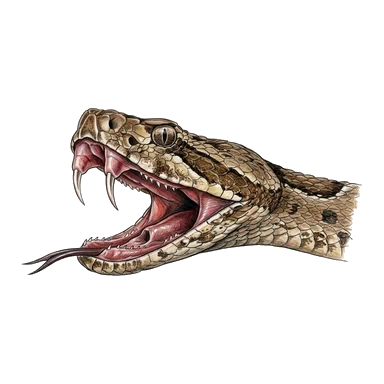 Ugrizi
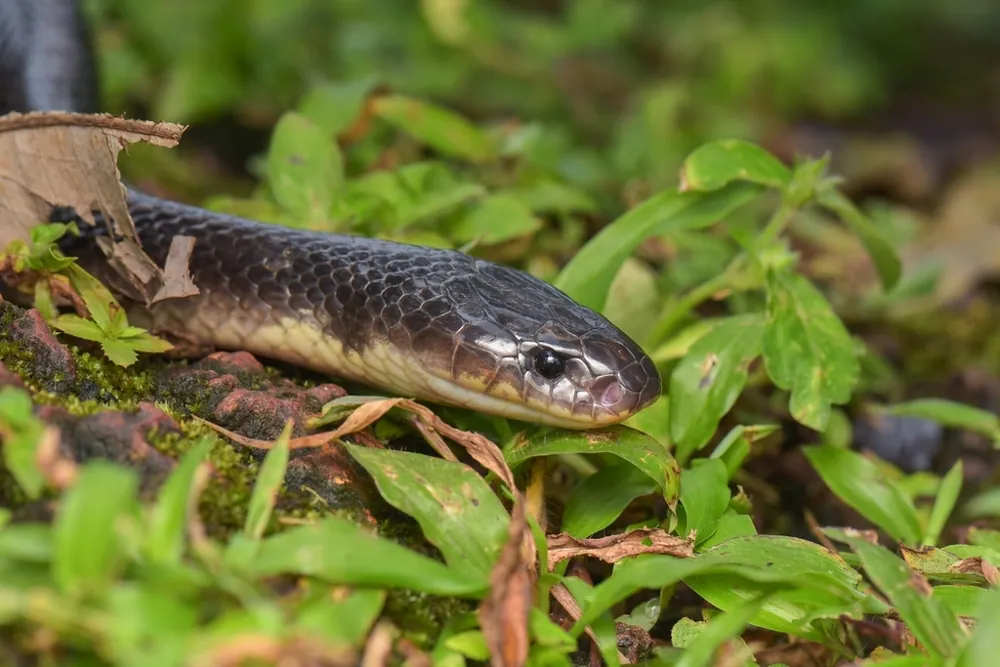
The common krait is a highly venomous snake that lives across South Asia. It is shiny black or bluish-black with thin white crossbands. It causes more medically significant snakebites in the Indian subcontinent than any other snake, so knowing what it looks like matters.1
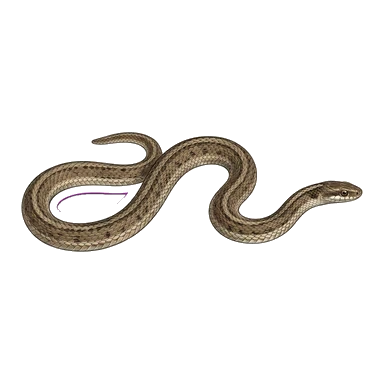
 Kako ga prepoznati
- Body is generally black or bluish-black.1
- About 40 thin, white crossbars run along the body. They may be faint or missing near the head in adults.1
- Young snakes have clear, well-defined crossbands, even near the head.1
- Older snakes may show the white lines as a series of connected spots.1
- The head is flat, the neck is hardly visible, and the tail is short and rounded.1
Otrovna snaga
Otrov izlazi kroz očnjake ili zube kad ugrize.
Što radi njegov otrov kad ugrize ili ubode?
Its venom is neurotoxic, meaning it attacks the nerves. It blocks signals between nerves and muscles, which leads to progressive paralysis. Victims often have severe abdominal cramps and shortness of breath. Death from respiratory failure, meaning the breathing muscles stop working, may follow in about 4 to 8 hours if untreated.1
Koliko je opasno za ljude?
Opasnost za ljude: SmrtonosnoJedna od najopasnijih životinja na svijetu.It is responsible for the majority of medically significant snakebites in the Indian subcontinent. A clinical toxicology study reports an untreated mortality rate of 70 to 80 per cent. Bites often happen at night, when people are sleeping on the ground. The bite may cause little or no pain, which can delay treatment.1
 Dobre vijesti: liječnici za ovo imaju lijek (protuotrov) ili liječenje.1
Što radi kad se uplaši?
When threatened, it coils tightly with its head tucked underneath, may flatten its body, or makes sudden movements as a warning. It rarely bites unless provoked, but it can be more aggressive at night if disturbed.1
 Ako ugrize
- The main treatment is antivenom given in hospital. It should be given promptly, because it becomes less effective once paralysis has set in. Get medical help straight away after any suspected bite, even if there is little pain or swelling.1
- Neka osoba miruje i bude smirena, skini prstenje i sve što steže i brzo je odvedi u bolnicu: liječi se protuotrovom.
Uvijek prvo nazovi broj za hitne slučajeve (112, 000, 911). Ovo su opće upute za prvu pomoć, a ne liječnički savjet. Osnove prve pomoći
 Ostani na sigurnom
- Nikad ne diraj, ne hvataj i ne zadirkuj divlju životinju, čak ni malu, i čak ni ako izgleda kao da spava ili je mrtva.
- Ostavi joj prostora. Ako je sretneš, ne paniči, polako se odmakni i pusti je da ode svojim putem.
- Ako te neka ugrize: ne paniči, miruj, nazovi broj za hitne slučajeve (112, 000, 911) ili brzo idi u bolnicu. Zapamti kako je izgledala, fotografija pomaže.
Ne želi ti ništa loše. Otrov koristi za lov hrane ili za obranu i mnogo bi se radije sakrilo. Više o sigurnosti
Koliko je veliko?
Koliko je dugo?
 dugo kao 4 kućnih mačaka od nosa do repa
 dugo kao 10 banana poredanih u nizu
 moglo bi pretrčati 100 metara za 52 sekundi (najbržem čovjeku treba 9,6)
Koliko je Common krait velika životinja u usporedbi s TOBOM?
Samo matematika u tvom pregledniku. Ništa se ne sprema niti šalje nikamo.
Koliko je brzo?


Činjenice
A bite from this snake often causes little or no pain and almost no swelling or bleeding, which can make it hard to find the bite mark.1
Its venom is one of the most potent of any Indian snake, and the estimated lethal dose for a human is 2 to 3 mg.1
Its venom contains no clotting or tissue-destroying agents, which is why there is no local damage at the bite site.1
Neostigmine, a drug that works against cobra venom, does not work against common krait venom.1
It is mostly active at night and rarely meets people during the day.1
Its stable population has been helped by its ability to adapt to farmland and villages.1
Razbijač mitova
Mit: A bite that does not hurt is harmless.
Istina: The bite often causes little pain, but severe paralysis and breathing failure can follow. The lack of pain can give false reassurance.1
Za stručnjake za otrove
- Znanstveni naziv
- Bungarus caeruleus
- Skupina
- Kobre, mambe i kraiti
- Obitelj
- Elapidae2
- Redoslijed
- Squamata
- Kontinenti
- Azija
- Mladunci
- It lays 5 to 15 eggs in leaf litter or burrows. The female guards the eggs until they hatch after about 60 days. Hatchlings are fully independent and already carry venom.1
- Opasnost za ljude
- 5 / 5: Smrtonosno3
Odakle su činjenice
- Common krait (Wikipedia (CC BY-SA 4.0))
- Bungarus caeruleus (iNaturalist): imena i klasifikacija.
- Venom Wiki: razina opasnosti, tipična veličina i procijenjena brzina naše su. Pogledaj kako ih izračunavamo: Kako ocjenjujemo opasnost.
Svaka činjenica na ovoj stranici ima broj koji upućuje na njezin izvor. Ako smo nešto pogriješili, oprosti, mi smo ljubitelji životinja, a ne znanstveni časopis. Javi nam na [email protected] i ispravit ćemo to.
 Škorpion je gladan! Venom Wiki je projekt jednog čovjeka: besplatan, bez oglasa i bez praćenja. Mala napojnica pomaže da ostane na internetu.Nahrani škorpiona
 Indian cobra
 King cobra
 Caspian cobra
 Malayan krait
 Many-banded krait
 Monocled cobra
 Deathstalker
 Indian saw-scaled viper
 Puhalica
 Russellova ljutica
 Asian giant hornet
 Komodo dragon