
 Afrika
 Ázsia
Ázsia Európa
 Dél-Amerika
 Ausztrália és Óceánia
 Antarktisz
 Csendes-óceán
 Atlanti-óceán
 Indiai-óceán
 Északi-sarki-óceán
 Földközi-tenger
 Vörös-tenger
 Karib-tenger
 Korall-tenger
 Dél-kínai-tenger
 Fülöp-tenger
 Andamán-tenger
 Északi-tenger
 Timor-tenger és Arafura-tenger
 Bengáli-öböl
 Kaliforniai-öböl
Bluebottle
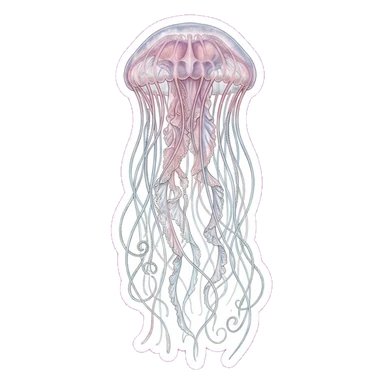 Csalánozó csápok
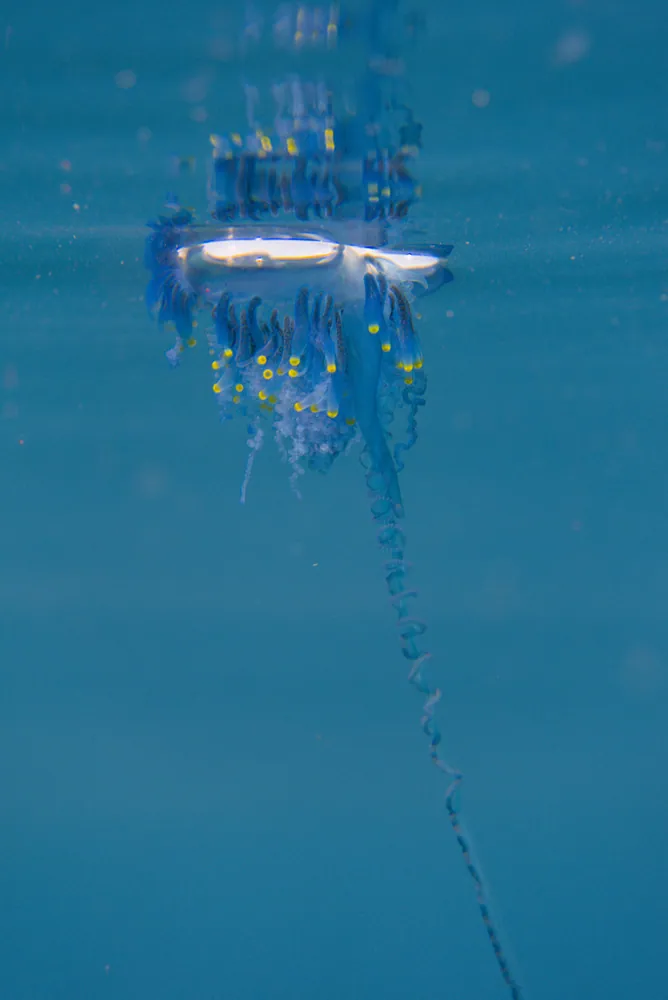
The bluebottle is a floating sea creature that looks like a jellyfish, but it is actually a colony of many linked animals that work together. It drifts on the surface of warm oceans and often washes up on beaches in large numbers. Its long tentacle can cause painful stings, so it is important to know what it looks like.1
 Hogyan ismerd fel
- A gas-filled float that sits on the surface, with a sail on top of it1
- A single long tentacle hanging below the float1
- A float about 16 cm across, smaller than the Atlantic Portuguese man o' war, whose float is about 30 cm1
- Often found in large groups called swarms1
- Often washed up in large numbers on beaches after strong winds1
Gyakran összetévesztik ezzel: The Atlantic Portuguese man o' war (Physalia physalis) is closely related and looks similar. It has a larger float, about 30 cm across, while the bluebottle's float is about 16 cm. The bluebottle has a single long fishing tentacle.1
Méregerő
Több ezer apró csalánsejt sül el, ha valami hozzáér.
Mit tesz a mérge?
Its tentacle is covered in venomous cells called cnidocytes, which fire stinging threads called nematocysts. These toxic stinging cells cause painful injuries when they touch human skin. The stings can cause painful injuries at the beach.1
Mennyire veszélyes az emberre?
Veszély az emberre: FájdalmasNagyon tud fájni, de szinte soha nem súlyos.On Australia's east coast, 10,000 to 30,000 stings per year from animals of the genus Physalia are reported, and most incidents happen on the eastern coast. No deaths have been recorded from stings by this species. The Atlantic Portuguese man o' war has caused at least three deaths.1
 Ha csíp
- Gyere ki a vízből, és szedd le a csápokat (kesztyűben vagy egy ruhadarabbal).
- Trópusi kockamedúzánál: önts ecetet a csípésekre legalább 30 másodpercig, hívj segítséget, és készülj fel az újraélesztésre. Portugál gályánál és a legtöbb másiknál: öblítsd le tengervízzel, aztán forró vízzel enyhítsd a fájdalmat.
Mindig először a segélyhívó számot hívd (112, 000, 911). Ez általános elsősegély-tájékoztató, nem orvosi tanács. Elsősegély alapjai
 Maradj biztonságban
- Soha ne érints meg, ne fogj meg és ne bosszants vadállatot, még ha kicsi is, és még ha alszik vagy döglöttnek tűnik is.
- Hagyj neki helyet. Ha találkozol eggyel, maradj nyugodt, lassan lépj hátra, és hagyd, hogy menjen a maga útján.
- Ha megcsíp: maradj nyugodt, ne mozogj, hívd a segélyhívó számot (112, 000, 911), vagy juss el gyorsan kórházba. Jegyezd meg, hogyan nézett ki, egy fotó sokat segít.
Nem akar elkapni téged. A mérgét arra használja, hogy élelmet fogjon vagy megvédje magát, és sokkal szívesebben elbújik. Még több a biztonságról
Hol él a világban?
Mekkora?
Milyen hosszú?
 olyan hosszú, mint 2 játék építőkocka egy sorban
 180 másodperc alatt úszná át egy nagy uszoda hosszát (50 m)
Mekkora Bluebottle hozzád képest?
Csak matek a böngésződben. Semmit nem mentünk és nem küldünk el sehova.
Milyen gyors?

Tények
It is not a single animal. It is a colony of four separate types of polyps and medusoids that work together.1
Its stinging cells can remain harmful on beaches for weeks or months if the sand stays moist.1
It moves across the sea using the wind, currents and tides, helped by the sail on top of its float.1
Méregszakértőknek
- Tudományos név
- Physalia utriculus
- Csoport
- Medúzák és tengeri csalánozók
- Család
- Physaliidae2
- Rend
- Siphonophorae
- Kontinensek
- Csendes-óceán, Indiai-óceán, Atlanti-óceán, Déli-óceán, Korall-tenger, Antarktisz, Timor-tenger és Arafura-tenger, Bengáli-öböl, Az óceánok
- Kicsinyek
- Its reproductive parts, called gonozooids, release eggs or sperm into the water.1
- Veszély az emberre
- 2 / 5: Fájdalmas3
Honnan származnak a tények
- Physalia utriculus (Wikipedia (CC BY-SA 4.0))
- Physalia utriculus (iNaturalist): nevek és rendszertan.
- Venom Wiki: a veszélyszint, a tipikus méret és a sebességbecslés a saját értékelésünk. Nézd meg, hogyan számoljuk ki: Hogyan értékeljük a veszélyt.
Ezen az oldalon minden tény mellett van egy szám, amely a forrására mutat. Ha valamit elrontottunk, bocsi, mi állatrajongók vagyunk, nem tudományos folyóirat. Írj nekünk ide: [email protected], és kijavítjuk.
 A skorpió éhes! A Venom Wiki egyszemélyes projekt: ingyenes, reklámok és nyomkövetés nélkül. Egy kis borravaló segít, hogy online maradjon.Etesd meg a skorpiót
Még több ugyanebből a csoportból: Medúzák és tengeri csalánozók
 Australian box jellyfishMedúzák és tengeri csalánozókHalálosNe nyúlj hozzá
 Irukandji jellyfishMedúzák és tengeri csalánozókÖlni is tudNe nyúlj hozzá
 Portuguese man o' warMedúzák és tengeri csalánozókOrvos kellNe nyúlj hozzá
 Lion's mane jellyfishMedúzák és tengeri csalánozókCsak fájNe nyúlj hozzá
 Moon jellyfishMedúzák és tengeri csalánozókÁrtalmatlan
 Common kingslayerMedúzák és tengeri csalánozókÖlni is tudNe nyúlj hozzá
 Geography cone
 Greater blue-ringed octopus
 Japanese pufferfish
 Southern blue-ringed octopus
 Hawksbill sea turtle
 Reef stonefish