
 Afrika
 Ázsia
Ázsia Európa
 Dél-Amerika
 Ausztrália és Óceánia
 Antarktisz
 Csendes-óceán
 Atlanti-óceán
 Indiai-óceán
 Északi-sarki-óceán
 Földközi-tenger
 Vörös-tenger
 Karib-tenger
 Korall-tenger
 Dél-kínai-tenger
 Fülöp-tenger
 Andamán-tenger
 Északi-tenger
 Timor-tenger és Arafura-tenger
 Bengáli-öböl
 Kaliforniai-öböl
Night anemone
 Csalánozó csápok
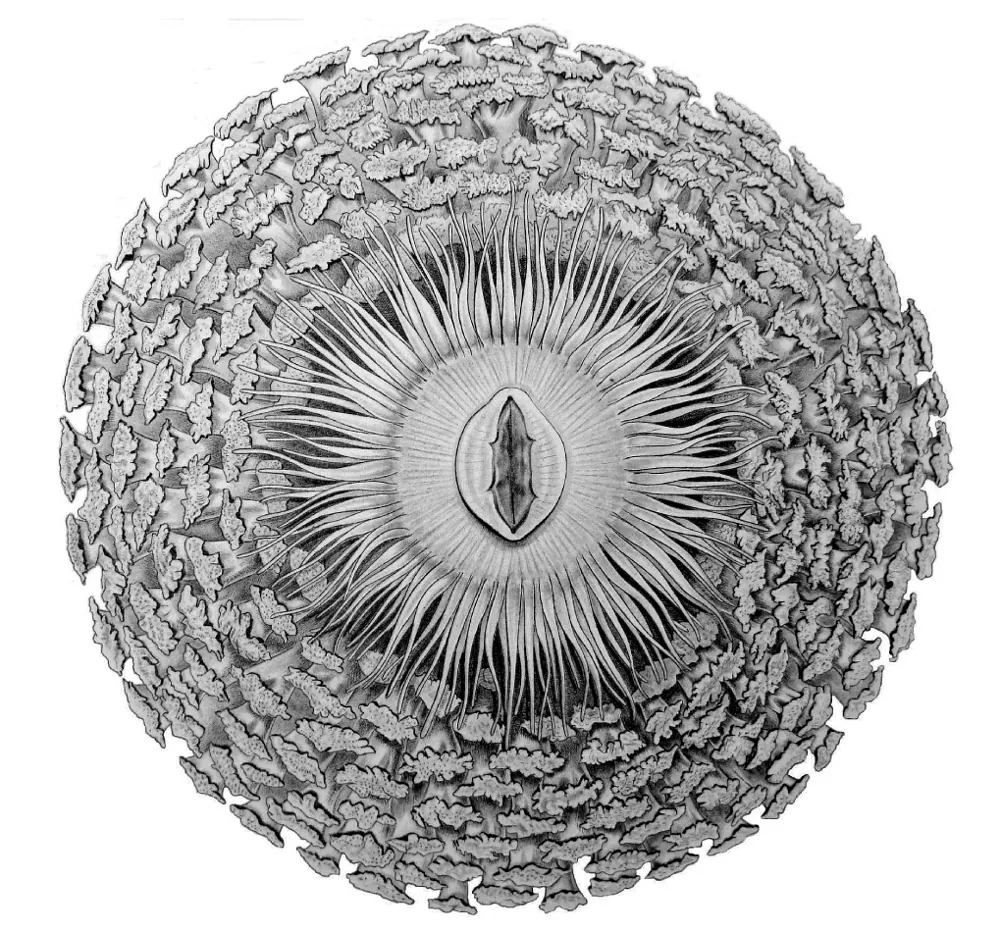
The night anemone is a sea anemone, a soft animal related to jellyfish that attaches itself to the seabed. It lives in shallow seas in the central Indo-West Pacific, including Indonesia, the Philippines and southern Japan. It is venomous, and its sting can cause a painful injury that lasts a long time.1

 Hogyan ismerd fel
- Has a broad base that attaches it to the seabed.1
- Has branching, stalked outgrowths called pseudo-tentacles, which vary a lot between individuals.1
- Some individuals look like smooth discs, branching coral, or dead coral rock covered in algae.1
- The mouth ring has up to 160 long tentacles, seen when it is feeding at night.1
Gyakran összetévesztik ezzel: It is often mistaken for corals, algae or dead coral rock, because it copies their shape and colour. During the day it pulls its mouth and tentacles inside, so it may not look like a sea anemone at all.1
Méregerő
Több ezer apró csalánsejt sül el, ha valami hozzáér.
Mit tesz a mérge?
Its venom contains several haemolytic toxins, which break down red blood cells. Human contact can cause severe dermatitis, with swelling and ulceration of the affected skin that may last for months. On rare occasions it causes acute kidney damage, and it is the first sea anemone whose venom has been shown to do this. The venom does not appear to affect other major organs.1
Mennyire veszélyes az emberre?
Veszély az emberre: Nagyon veszélyesHa valaki nem kap kezelést, megölheti.Its sting is painful and long-lasting. On rare occasions it can cause acute kidney damage.1
Mit csinál, ha megijed?
It uses camouflage, mimicry and masquerade to blend into its surroundings, which helps it deceive prey and confuse predators.1
 Ha csíp
- Gyere ki a vízből, és szedd le a csápokat (kesztyűben vagy egy ruhadarabbal).
- Trópusi kockamedúzánál: önts ecetet a csípésekre legalább 30 másodpercig, hívj segítséget, és készülj fel az újraélesztésre. Portugál gályánál és a legtöbb másiknál: öblítsd le tengervízzel, aztán forró vízzel enyhítsd a fájdalmat.
Mindig először a segélyhívó számot hívd (112, 000, 911). Ez általános elsősegély-tájékoztató, nem orvosi tanács. Elsősegély alapjai
 Maradj biztonságban
- Soha ne érints meg, ne fogj meg és ne bosszants vadállatot, még ha kicsi is, és még ha alszik vagy döglöttnek tűnik is.
- Hagyj neki helyet. Ha találkozol eggyel, maradj nyugodt, lassan lépj hátra, és hagyd, hogy menjen a maga útján.
- Ha megcsíp: maradj nyugodt, ne mozogj, hívd a segélyhívó számot (112, 000, 911), vagy juss el gyorsan kórházba. Jegyezd meg, hogyan nézett ki, egy fotó sokat segít.
Nem akar elkapni téged. A mérgét arra használja, hogy élelmet fogjon vagy megvédje magát, és sokkal szívesebben elbújik. Még több a biztonságról
Hol él a világban?
Mekkora?
Milyen hosszú?
 olyan hosszú, mint 5 játék építőkocka egy sorban
 lassabb egy éticsigánál
Mekkora Night anemone hozzád képest?
Csak matek a böngésződben. Semmit nem mentünk és nem küldünk el sehova.
Milyen gyors?


Tények
It was the first sea anemone found to have venom that damages the kidneys and can cause acute renal failure.1
Its venom kills shrimp and breaks down sheep red blood cells in laboratory tests.1
Its pseudo-tentacles contain symbiotic dinoflagellates, tiny organisms that photosynthesise, so it gets some energy from light.1
It hides its tentacles and mouth during the day, when it spreads out its pseudo-tentacles to catch sunlight.1
Méregszakértőknek
- Tudományos név
- Phyllodiscus semoni
- Csoport
- Medúzák és tengeri csalánozók
- Család
- Aliciidae2
- Rend
- Actiniaria
- Kontinensek
- Indiai-óceán, Csendes-óceán, Vörös-tenger, Timor-tenger és Arafura-tenger, Az óceánok
- Kicsinyek
- Colonies are likely clones formed by asexual reproduction, possibly by fragmentation when the anemone moves across the seabed.1
- Veszély az emberre
- 4 / 5: Nagyon veszélyes3
Honnan származnak a tények
- Phyllodiscus (Wikipedia (CC BY-SA 4.0))
- Phyllodiscus semoni (iNaturalist): nevek és rendszertan.
- Venom Wiki: a veszélyszint, a tipikus méret és a sebességbecslés a saját értékelésünk. Nézd meg, hogyan számoljuk ki: Hogyan értékeljük a veszélyt.
Ezen az oldalon minden tény mellett van egy szám, amely a forrására mutat. Ha valamit elrontottunk, bocsi, mi állatrajongók vagyunk, nem tudományos folyóirat. Írj nekünk ide: [email protected], és kijavítjuk.
 A skorpió éhes! A Venom Wiki egyszemélyes projekt: ingyenes, reklámok és nyomkövetés nélkül. Egy kis borravaló segít, hogy online maradjon.Etesd meg a skorpiót
Még több ugyanebből a csoportból: Medúzák és tengeri csalánozók
 Ausztrál kockamedúzaMedúzák és tengeri csalánozókHalálosNe nyúlj hozzá
 Irukandji jellyfishMedúzák és tengeri csalánozókÖlni is tudNe nyúlj hozzá
 Portuguese man o' warMedúzák és tengeri csalánozókOrvos kellNe nyúlj hozzá
 Lion's mane jellyfishMedúzák és tengeri csalánozókCsak fájNe nyúlj hozzá
 Moon jellyfishMedúzák és tengeri csalánozókÁrtalmatlan
 Common kingslayerMedúzák és tengeri csalánozókÖlni is tudNe nyúlj hozzá
Itt is él:: Indiai-óceán
 Földrajzi kúpcsigaKúpcsigák és polipokHalálos
 Nagy kékgyűrűs polipKúpcsigák és polipokHalálos
 Déli kékgyűrűs polipKúpcsigák és polipokHalálos
 Hawksbill sea turtleMás mérgező állatokÖlni is tud
 Reef stonefishMérges halakÖlni is tudNe nyúlj hozzá
 Crown-of-thorns starfishTengeri sünök, tengeri csillagok és férgekOrvos kellNe nyúlj hozzá