
 Afrika
 Ázsia
Ázsia Európa
 Dél-Amerika
 Ausztrália és Óceánia
 Antarktisz
 Csendes-óceán
 Atlanti-óceán
 Indiai-óceán
 Északi-sarki-óceán
 Földközi-tenger
 Vörös-tenger
 Karib-tenger
 Korall-tenger
 Dél-kínai-tenger
 Fülöp-tenger
 Andamán-tenger
 Északi-tenger
 Timor-tenger és Arafura-tenger
 Bengáli-öböl
 Kaliforniai-öböl
Red-backed poison frog
 Méreg a bőrében
The red-backed poison frog is a tiny frog that lives high in the Amazon rainforest of Peru and Ecuador. It is moderately poisonous, and its skin poison can cause serious injury to people. Its bright red back warns predators to stay away.1



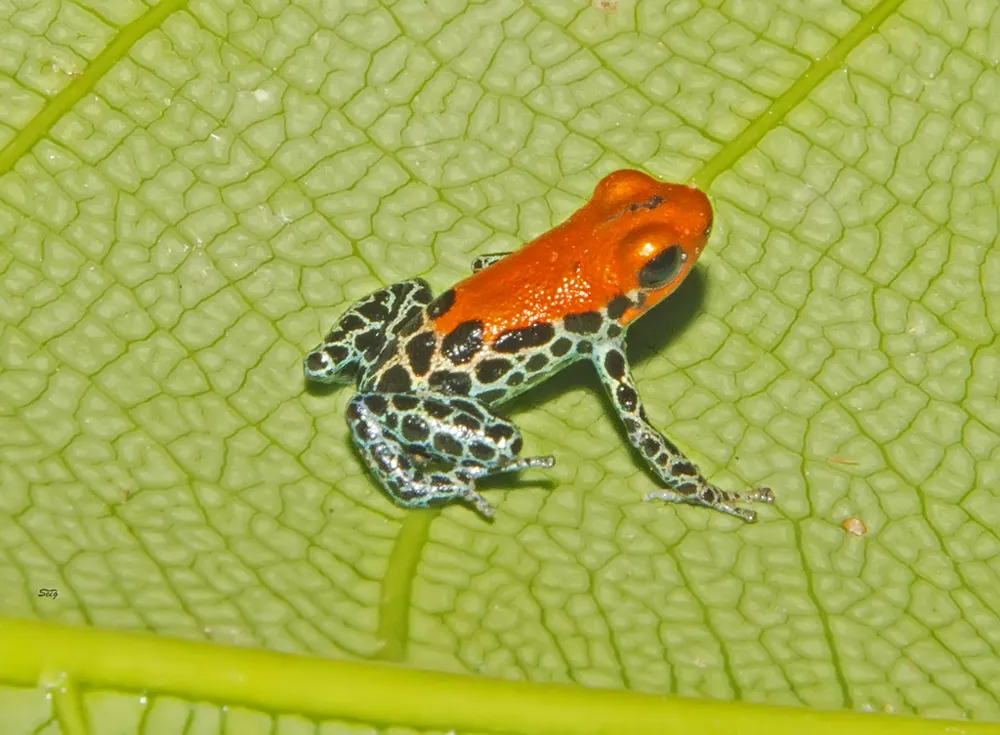
 Hogyan ismerd fel
Méregerő
A bőre mérgező. Veszélyes megérinteni, megnyalni vagy megenni.
Mit tesz a méreganyaga?
This frog is poisonous, not venomous, so it does not bite or sting. Its poison is stored in skin glands just beneath the outer layer of skin. It seeps through open wounds, body openings and pores. The poison can cause serious injury to humans and death in animals such as chickens.1
Mennyire veszélyes az emberre?
Veszély az emberre: FájdalmasNagyon tud fájni, de szinte soha nem súlyos.The poison is moderately toxic and can cause serious injury to humans.1
Mit csinál, ha megijed?
When it is threatened, it shows its bright warning colours, climbs trees to escape, or uses its poison if it cannot get away.1
 Ha valaki megérintette vagy megette
- Ha valaki megérintett egyet: alaposan mosd meg a kezeket, és ne nyúlj a szemhez vagy a szájhoz. Ha egy gyerek vagy háziállat megnyalt vagy megevett egyet: hívd a toxikológiai központot vagy a segélyhívó számot.
Mindig először a segélyhívó számot hívd (112, 000, 911). Ez általános elsősegély-tájékoztató, nem orvosi tanács. Elsősegély alapjai
 Maradj biztonságban
- Soha ne érints meg, ne fogj meg és ne bosszants vadállatot, még ha kicsi is, és még ha alszik vagy döglöttnek tűnik is.
- Hagyj neki helyet. Ha találkozol eggyel, maradj nyugodt, lassan lépj hátra, és hagyd, hogy menjen a maga útján.
- Ha megérintetted vagy megetted: ne dörzsöld a szemed vagy a szád, moss kezet, és kérj orvosi segítséget.
Nem akar elkapni téged. A méreganyaga csak azért van, hogy semmi ne egye meg. Még több a biztonságról
Hol él a világban?
Mekkora?
Milyen hosszú?
 rövidebb a kisujjadnál
 110 másodperc alatt futná le a 100 métert (a leggyorsabb embernek 9,6 kell)
Mekkora Red-backed poison frog hozzád képest?
Csak matek a böngésződben. Semmit nem mentünk és nem küldünk el sehova.
Milyen gyors?


Tények
Males stick the tadpoles to their backs using a water-soluble mucus, then carry them into the canopy.1
Males place the tadpoles in tiny pools that collect in the centre of bromeliad plants. The mother then feeds them infertile eggs laid in the water.1
Once they become froglets, the young are led to an existing group, where all members accept them, though only their parents care for them.1
It is the second most poisonous frog in its genus Ranitomeya, after R. variabilis.1
Breeding gatherings take place at the end of the wet season, so the eggs are laid at the start of the next wet season, when the young have a steady supply of water.1
Deforestation for charcoal and the capture of frogs for the international pet trade are the main threats to it.1
Méregszakértőknek
- Tudományos név
- Ranitomeya reticulata
- Csoport
- Nyílméregbékák, varangyok és gőték
- Család
- Dendrobatidae2
- Rend
- Anura
- Kontinensek
- Dél-Amerika
- Kicsinyek
- Females lay eggs on the ground, and after the eggs hatch, males carry the tadpoles up into the canopy.1
- Hogy áll a vadonban
- Least Concern1
- Veszély az emberre
- 2 / 5: Fájdalmas3
Honnan származnak a tények
- Red-backed poison frog (Wikipedia (CC BY-SA 4.0))
- Ranitomeya reticulata (iNaturalist): nevek és rendszertan.
- Venom Wiki: a veszélyszint, a tipikus méret és a sebességbecslés a saját értékelésünk. Nézd meg, hogyan számoljuk ki: Hogyan értékeljük a veszélyt.
Ezen az oldalon minden tény mellett van egy szám, amely a forrására mutat. Ha valamit elrontottunk, bocsi, mi állatrajongók vagyunk, nem tudományos folyóirat. Írj nekünk ide: [email protected], és kijavítjuk.
 A skorpió éhes! A Venom Wiki egyszemélyes projekt: ingyenes, reklámok és nyomkövetés nélkül. Egy kis borravaló segít, hogy online maradjon.Etesd meg a skorpiót
Még több ugyanebből a csoportból: Nyílméregbékák, varangyok és gőték
 Rettenetes levelibékaNyílméregbékák, varangyok és gőtékHalálosNe nyúlj hozzá
 Cane toadNyílméregbékák, varangyok és gőtékOrvos kellNe nyúlj hozzá
 Dyeing poison dart frogNyílméregbékák, varangyok és gőtékCsak fájNe nyúlj hozzá
 Black-legged poison frogNyílméregbékák, varangyok és gőtékÖlni is tudNe nyúlj hozzá
 Bruno's casque-headed frogNyílméregbékák, varangyok és gőtékOrvos kellNe nyúlj hozzá
 Harlequin poison frogNyílméregbékák, varangyok és gőtékOrvos kellNe nyúlj hozzá
 Érdes lándzsakígyó
 Brazilian wandering spider
 Eyelash viper
 Golden lancehead
 South American bushmaster
 Peruvian giant centipede