
 Afrika
 Asia
Asia Eropa
Eropa Amerika Selatan
 Australia dan Oseania
 Antarktika
 Samudra Pasifik
 Samudra Atlantik
 Samudra Hindia
 Samudra Arktik
 Laut Tengah
 Laut Merah
 Laut Karibia
 Laut Koral
 Laut Cina Selatan
 Laut Filipina
 Laut Andaman
 Laut Utara
 Laut Timor dan Laut Arafura
 Teluk Benggala
 Teluk California
Plate fire coral
 Sengatan
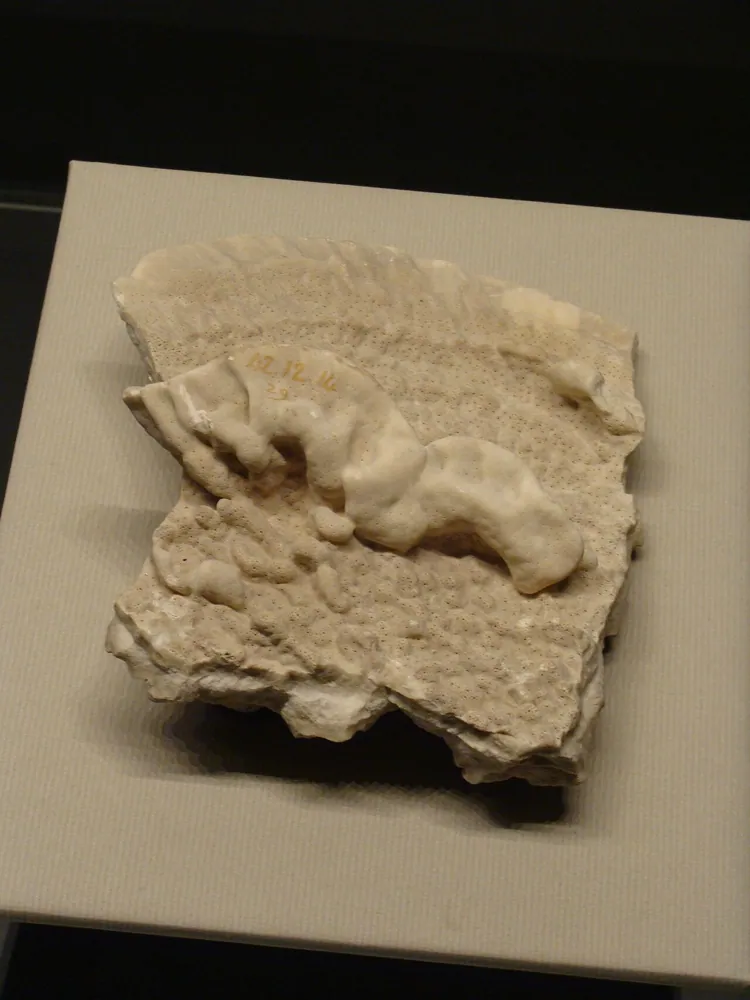
Plate fire coral is a reef-building animal that looks like a coral but is actually a relative of jellyfish. It grows in shallow, sunny reef water across the Indo-Pacific, from the Red Sea and East Africa to northern Australia and French Polynesia. It matters because it helps build reefs and can give a painful burning sting.1


 Cara mengenalinya
- Colonies are yellow-green or light-brown, and the tips may be white.1
- It usually grows in plate-like or blade-like forms, though it can also form branches, fans or encrusting layers.1
- Colonies often measure 200 to 300 cm across and can be up to 200 cm high.1
Sering tertukar dengan: Other fire corals, such as Millepora dichotoma and Millepora exaesa, are often confused with it. Plate fire coral is generally plate-like or blade-like, which helps tell it apart from them.1
Kekuatan bisa
Bisanya keluar lewat sengat.
Apa efek bisanya?
Its defensive polyps carry stinging cells called nematocysts. Contact with them causes a burning sensation in humans.1
Seberapa berbahaya bagi manusia?
Bahaya bagi manusia: MenyakitkanBisa sangat sakit, tetapi hampir tidak pernah serius.Apa yang dilakukannya saat takut?
Its defensive polyps have long tentacles that sting anything that touches them.1
 Jika ia menyengat
- Keluar dari air dan ambil sisa tentakel yang menempel (pakai sarung tangan atau kain).
- Untuk ubur-ubur kotak tropis: siram sengatan dengan cuka minimal 30 detik, minta bantuan, dan bersiaplah melakukan CPR. Untuk ubur-ubur botol biru dan kebanyakan lainnya: bilas dengan air laut, lalu air panas untuk meredakan nyeri.
Selalu hubungi nomor darurat dulu (112, 000, 911). Ini panduan pertolongan pertama umum, bukan nasihat medis. Dasar-dasar pertolongan pertama
 Tetap aman
- Jangan pernah menyentuh, menangkap, atau mengganggu hewan liar, walaupun kecil, dan walaupun tampak tidur atau mati.
- Beri ia ruang. Jika bertemu, tetap tenang, mundur perlahan, dan biarkan ia pergi.
- Jika ia menyengatmu: tetap tenang, jangan bergerak, hubungi nomor darurat (112, 000, 911) atau segera ke rumah sakit. Ingat seperti apa rupanya, foto sangat membantu.
Ia tidak mengincarmu. Ia memakai bisanya untuk menangkap makanan atau melindungi diri, dan ia jauh lebih suka bersembunyi. Lebih lanjut tentang tetap aman
Di mana di dunia?
Seberapa besar dia?
Seberapa panjang dia?
 sepanjang 3 anjing dari hidung ke ekor
 sepanjang 17 pisang yang dijajarkan
 lebih lambat dari siput kebun
Seberapa besar Plate fire coral dibandingkan KAMU?
Hanya hitungan di browsermu. Tidak ada yang disimpan atau dikirim ke mana pun.
Seberapa cepat dia?


Fakta
Despite its name, plate fire coral is not a true coral. It belongs to the class Hydrozoa, which is separate from the stony and soft corals.1
It has two kinds of polyps: feeding polyps for catching food and defensive polyps with longer tentacles for protection.1
Its colonies can break into fragments during rough water, and these fragments can drift and start new colonies on nearby reefs.1
It can take many forms, including branches, fans, plates, blades and encrusting layers, and its shape depends on where it grows.1
It was once thought to have disappeared from the Eastern Pacific after bleaching events, but researchers later confirmed that its range extends back there.1
It helps build reefs in the Indo-Pacific region.1
Pembongkar mitos
Mitos: Plate fire coral is a true coral.
Faktanya: It is a hydrozoan, not a true coral, and is separate from the stony and soft corals.1
Untuk ahli bisa
- Nama ilmiah
- Millepora platyphylla
- Kelompok
- Ubur-ubur dan penyengat laut
- Keluarga
- Milleporidae2
- Urutan
- Anthoathecata
- Benua
- Samudra Pasifik, Samudra Hindia, Laut Merah, Laut Koral, Laut Filipina, Laut Timor dan Laut Arafura, Teluk Benggala, Samudra
- Anak
- It releases reproductive buds that send eggs and sperm into the water, where fertilisation happens outside the body. The free-swimming larvae settle and become polyps after about 1 day.1
- Bahaya bagi manusia
- 2 / 5: Menyakitkan3
Dari mana faktanya berasal
- Millepora platyphylla (Wikipedia (CC BY-SA 4.0))
- Millepora platyphylla (iNaturalist): nama dan klasifikasi.
- Venom Wiki: tingkat bahaya, ukuran umum, dan perkiraan kecepatan adalah buatan kami. Lihat cara kami menghitungnya: Cara kami menilai bahaya.
Setiap fakta di halaman ini punya nomor yang menunjuk ke sumbernya. Kalau kami salah, maaf ya, kami penggemar hewan, bukan jurnal ilmiah. Beri tahu kami di [email protected] dan kami akan memperbaikinya.
 Kalajengkingnya lapar! Venom Wiki adalah proyek satu orang: gratis, tanpa iklan, dan tanpa pelacak. Tip kecil membantu menjaganya tetap online.Beri makan kalajengking
Lainnya dari kelompok yang sama: Ubur-ubur dan penyengat laut
 Ubur-ubur kotak AustraliaUbur-ubur dan penyengat lautMematikanJangan sentuh
 Irukandji jellyfishUbur-ubur dan penyengat lautBisa membunuhJangan sentuh
 Portuguese man o' warUbur-ubur dan penyengat lautPerlu ke dokterJangan sentuh
 Lion's mane jellyfishUbur-ubur dan penyengat lautHanya sakitJangan sentuh
 Moon jellyfishUbur-ubur dan penyengat lautTidak berbahaya
 Common kingslayerUbur-ubur dan penyengat lautBisa membunuhJangan sentuh
Juga hidup di: Samudra Pasifik
 Siput kerucut geografiSiput kerucut dan guritaMematikan
 Gurita cincin biru besarSiput kerucut dan guritaMematikan
 Ikan buntal harimauHewan beracun lainnyaMematikan
 Gurita cincin biru selatanSiput kerucut dan guritaMematikan
 Hawksbill sea turtleHewan beracun lainnyaBisa membunuh
 Reef stonefishIkan berbisaBisa membunuhJangan sentuh