
 Afrịka
 Eshia
Eshia Yurop
Yurop Ndịda Amerika
 Ọstrelia na Oshenia
 Antaktika
 Oké Osimiri Pasifik
 Oké Osimiri Atlantik
 Oké Osimiri India
 Oké Osimiri Arktik
 Osimiri Mediterenian
 Osimiri Uhie
 Osimiri Karibịan
 Osimiri Coral
 Osimiri Ndịda China
 Osimiri Filipin
 Osimiri Andaman
 Osimiri Ugwu (North Sea)
 Osimiri Timor na Arafura
 Ọwara Bengal
 Ọwara California
Bullet ant
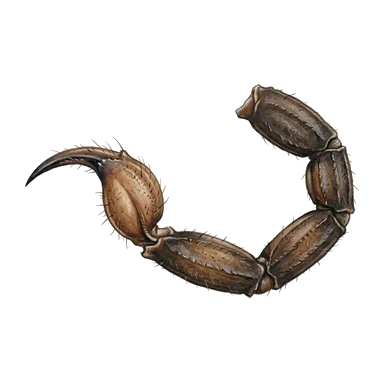 Ịgba
ỊgbaThe bullet ant is a large rainforest ant with a sting that is famously painful. It lives in humid lowland rainforests in Central and South America. Its sting ranks as the most painful of all insect stings on one informal pain scale.1

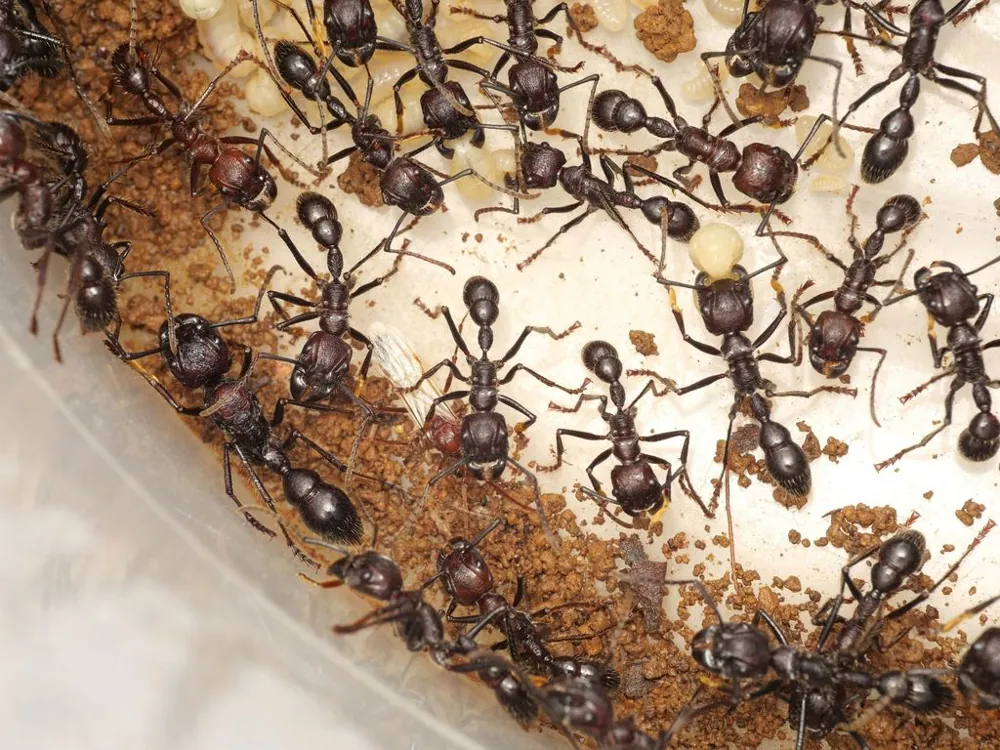
 Otú ị ga-esi mata ya
Ike nsị
Nsị na-esi na ndụdụ ya apụta.
Gịnị ka nsị ọ na-agba na-eme?
The sting delivers poneratoxin, a paralysing neurotoxic peptide (a small protein that attacks the nerves). It affects sodium ion channels, which are needed to send nerve signals, and blocks signal transmission in the central nervous system. Common symptoms from even one sting include swollen lymph nodes, swelling (oedema), a fast heartbeat (tachycardia) and fresh blood in the faeces.1
Kedu otú o si dị egwu nye mmadụ?
Ihe ize ndụ nye mmadụ: Na-afụ ụfụỌ nwere ike ịfụ ụfụ nke ukwuu, mana ọ naghị adịkarị njọ.The pain is described as burning, throbbing and all-consuming, and it can last for up to 24 hours. Workers are vicious when defending the nest, so people who disturb a nest risk being stung.1
Gịnị ka ọ na-eme mgbe ụjọ tụrụ ya?
The ants are not aggressive in general, but they defend the nest viciously, producing a stridulating sound and stinging with ferocity.1
 Ọ bụrụ na ọ gbaa
- Saa ebe ọ gbara, mee ka ha jụọ oyi.
- Ọ bụrụ na o siri onye ahụ ike iku ume, ihu ya ma ọ bụ akpịrị ya na-aza, ma ọ bụ na ọ dị ya ka ọ ga-ada mbà, ọ bụ mberede allergy: kpọọ nọmba mberede gị.
Na-ebu ụzọ kpọọ nọmba mberede gị mgbe niile (112, 000, 911). Nke a bụ ndụmọdụ enyemaka mbụ n'ozuzu, ọ bụghị ndụmọdụ ọgwụ. Isi ihe enyemaka mbụ
 Nọrọ na nchekwa
- Emetụla anụ ọhịa aka, ejidela ya, emekwala ya ihe ọjọọ, ọbụna obere, ọbụna ma ọ dị ka ọ na-ehi ụra ma ọ bụ nwụọ anwụ.
- Nye ya ohere. Ọ bụrụ na ị zutere otu, dị jụụ, laghachi azụ nwayọ, hapụ ya ka ọ gaa ụzọ ya.
- Ọ bụrụ na otu gbaa gị: dị jụụ, emegharịla ahụ, kpọọ nọmba mberede gị (112, 000, 911) ma ọ bụ gaa ụlọ ọgwụ ngwa ngwa. Cheta ka o si dị, foto na-enye aka.
Ọ naghị achụ gị. Ọ na-eji nsị ya ejide nri ma ọ bụ chebe onwe ya, ọ ga-akakwa mma n'anya ya ịzo onwe ya. Ihe ndị ọzọ gbasara ịnọ na nchekwa
Ọ hà aṅaa?
Kedu otú o si dị ogologo?
 ọ dị ogologo ihe dị ka pepa klip
Kedu otú Bullet ant si hà ma e jiri ya tụnyere GỊ?
Naanị mgbakọ na mwepụ n'ime browser gị. Ọ dịghị ihe echekwara ma ọ bụ ezigara ebe ọ bụla.
Kedu otú o si agba ọsọ?


Eziokwu
Its sting is compared to walking over flaming charcoal with a three-inch nail in your heel, and some victims say it feels like being shot, which gives the ant its name.1
The Sateré-Mawé people of Brazil use bullet ant stings in initiation rites for becoming warriors or leaders. Ants are sedated and woven into gloves, and the initiate wears them for 5 to 10 minutes or longer.1
A flying fly parasite, Apocephalus paraponerae, lays eggs in injured bullet ants, and a crushed ant can attract flies within two to three minutes.1
Poneratoxin from its venom is being investigated for possible medical uses.1
The glasswing butterfly, Greta oto, is a predator of the bullet ant. Its larvae make chemical extracts that these ants find unpalatable.1
Fossils of relatives were found in Dominican amber. The extinct Paraponera dieteri lived 15 to 45 million years ago in the Early Miocene.1
Ebe eziokwu ndị a si
- Paraponera clavata (Wikipedia (CC BY-SA 4.0))
- Paraponera clavata (iNaturalist): aha na nhazi ọkwa.
- Venom Wiki: ọkwa ihe ize ndụ, nha nkịtị na nchepụta ọsọ bụ nke anyị. Lee otú anyị si achọpụta ha: Otú anyị si atụ ihe ize ndụ.
Eziokwu ọ bụla dị na peeji a nwere nọmba na-egosi ebe o si. Ọ bụrụ na anyị mehiere ihe, ndo, anyị bụ ndị hụrụ anụmanụ n'anya, ọ bụghị akwụkwọ akụkọ sayensị. Gwa anyị na [email protected], anyị ga-edozi ya.
 Akpị agụụ na-agụ! Venom Wiki bụ ọrụ otu onye: n'efu, na-enweghị mgbasa ozi na ndị na-esochi gị. Obere onyinye na-enyere aka idebe ya n'ịntanetị.Nye akpị nri
 Red imported fire ant
 Army ant
 Giant Amazonian ant
 Maricopa harvester ant
 Trap-jaw ant
 Acacia ant
 Terciopelo
 Eastern coral snake
 Eastern diamondback rattlesnake
 Eyelash viper
 Timber rattlesnake
 Western diamondback rattlesnake