
 Afrịka
 Eshia
Eshia Yurop
Yurop Ndịda Amerika
 Ọstrelia na Oshenia
 Antaktika
 Oké Osimiri Pasifik
 Oké Osimiri Atlantik
 Oké Osimiri India
 Oké Osimiri Arktik
 Osimiri Mediterenian
 Osimiri Uhie
 Osimiri Karibịan
 Osimiri Coral
 Osimiri Ndịda China
 Osimiri Filipin
 Osimiri Andaman
 Osimiri Ugwu (North Sea)
 Osimiri Timor na Arafura
 Ọwara Bengal
 Ọwara California
Colorado River toad
 Nsị n'akpụkpọ ahụ ya
The Colorado River toad is a large toad of the deserts of the southwestern United States and northwestern Mexico. It is famous for the toxic, mind-altering secretions it releases from glands in its skin when threatened. These secretions can be deadly if swallowed, so it should be left alone.1


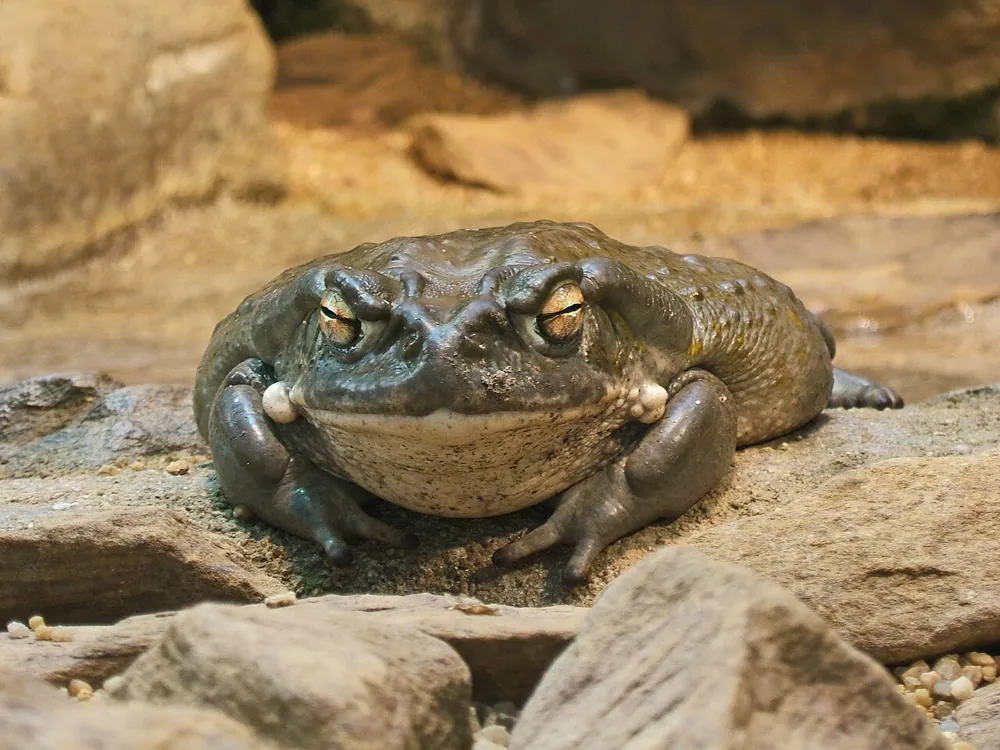
 Otú ị ga-esi mata ya
Ike nsị
Akpụkpọ ahụ ya nwere nsị. Ọ dị egwu imetụ ya aka, iracha ya ma ọ bụ iri ya.
Gịnị ka nsị dị n'ahụ ya na-eme?
The toad releases poison from glands in its skin, including the large parotoid glands behind the eyes. The poison contains psychoactive compounds, including 5-MeO-DMT and bufotenin, which affect the brain. It also contains digoxin-like cardiac glycosides, which act on the heart, and ingesting the poison can be fatal. In one reported case, a young woman who drank a tea made from toad preparation began vomiting and had difficulty breathing soon after, and died about two and a half hours later.1
Kedu otú o si dị egwu nye mmadụ?
Ihe ize ndụ nye mmadụ: Ọ dị njọỌ bụrụ na mmadụ metụ ya aka ma ọ bụ rie ya, gaa n'ebe dọkịta. Ọnwụ anaghị adịkarị ma ọlị.The poison is potent enough to kill a grown dog, and dogs that attack toads have been paralysed or killed. Several cases of human poisoning from swallowing toad secretions or eggs have been reported, and at least one death from the ch'an su preparation has been recorded. The toad has also been linked to poisoning and at least one death from the use of related toad preparations as street drugs.1
Gịnị ka ọ na-eme mgbe ụjọ tụrụ ya?
When threatened, it releases toxins from glands in its skin.1
 Ọ bụrụ na mmadụ metụrụ ya aka ma ọ bụ rie ya
- Ọ bụrụ na mmadụ metụrụ otu aka: saa aka nke ọma, emetụkwala anya ma ọ bụ ọnụ aka. Ọ bụrụ na nwatakịrị ma ọ bụ anụ ụlọ rachara otu ma ọ bụ rie ya: kpọọ ụlọ ọrụ ndụmọdụ nsị (poison centre) ma ọ bụ nọmba mberede gị.
Na-ebu ụzọ kpọọ nọmba mberede gị mgbe niile (112, 000, 911). Nke a bụ ndụmọdụ enyemaka mbụ n'ozuzu, ọ bụghị ndụmọdụ ọgwụ. Isi ihe enyemaka mbụ
 Nọrọ na nchekwa
- Emetụla anụ ọhịa aka, ejidela ya, emekwala ya ihe ọjọọ, ọbụna obere, ọbụna ma ọ dị ka ọ na-ehi ụra ma ọ bụ nwụọ anwụ.
- Nye ya ohere. Ọ bụrụ na ị zutere otu, dị jụụ, laghachi azụ nwayọ, hapụ ya ka ọ gaa ụzọ ya.
- Ọ bụrụ na i metụrụ ya aka ma ọ bụ rie ya: ehichala anya gị ma ọ bụ ọnụ gị, saa aka gị, chọọkwa enyemaka ọgwụ.
Ọ naghị achụ gị. Nsị ya dị naanị ka ihe ọ bụla ghara iri ya. Ihe ndị ọzọ gbasara ịnọ na nchekwa
Ọ hà aṅaa?
Kedu otú o si dị ogologo?
 dị ogologo dị ka blọk egwuregwu 6 n'ahịrị
 nwere ike ịgba ọsọ mita 100 n'ime sekọnd 180 (mmadụ kacha ọsọ chọrọ 9,6)
Kedu otú Colorado River toad si hà ma e jiri ya tụnyere GỊ?
Naanị mgbakọ na mwepụ n'ime browser gị. Ọ dịghị ihe echekwara ma ọ bụ ezigara ebe ọ bụla.
Kedu otú o si agba ọsọ?


Eziokwu
It is the only toad species in which bufotenin is present in large enough amounts to have a psychoactive effect.1
Raccoons have learned to pull a toad away from water by its back leg, turn it over and feed on its belly, which keeps them away from the poison glands.1
Unlike most vertebrates, it gets most of its water by absorbing it across its belly through a special area of skin called the seat patch.1
A female can lay up to 8,000 eggs.1
It is the largest toad in the United States, apart from the non-native cane toad.1
Onye na-ekpughe akụkọ ụgha
Akụkọ ụgha: Licking or smoking the toad's secretions is a safe way to get high or to treat illness.
Eziokwu: Swallowing the secretions has caused poisonings and deaths. Claims about its therapeutic use are unverified, and the US National Park Service has warned people not to handle or lick the toad.1
Maka ndị ọkachamara nsị
- Aha sayensị
- Incilius alvarius
- Otu
- Awọ nsị, awọ ala na newt
- Ezinụlọ
- Bufonidae2
- Usoro
- Anura
- Kọntinent dị iche iche
- Ugwu Amerika
- Ụmụ ọhụrụ
- Females lay eggs in ponds, slow-moving streams, temporary pools or man-made structures that hold water, and can lay up to 8,000 eggs in a long tube of jelly.1
- Otú ọ na-eme n'ọhịa
- Listed as threatened in New Mexico and California. A June 2025 study found that persistent trapping in Mexico has decimated several populations and put the species at risk of extinction.1
- Ihe ize ndụ nye mmadụ
- 3 / 5: Ọ dị njọ3
Ebe eziokwu ndị a si
- Colorado River toad (Wikipedia (CC BY-SA 4.0))
- Incilius alvarius (iNaturalist): aha na nhazi ọkwa.
- Venom Wiki: ọkwa ihe ize ndụ, nha nkịtị na nchepụta ọsọ bụ nke anyị. Lee otú anyị si achọpụta ha: Otú anyị si atụ ihe ize ndụ.
Eziokwu ọ bụla dị na peeji a nwere nọmba na-egosi ebe o si. Ọ bụrụ na anyị mehiere ihe, ndo, anyị bụ ndị hụrụ anụmanụ n'anya, ọ bụghị akwụkwọ akụkọ sayensị. Gwa anyị na [email protected], anyị ga-edozi ya.
 Akpị agụụ na-agụ! Venom Wiki bụ ọrụ otu onye: n'efu, na-enweghị mgbasa ozi na ndị na-esochi gị. Obere onyinye na-enyere aka idebe ya n'ịntanetị.Nye akpị nri
Ndị ọzọ si n'otu ahụ: Awọ nsị, awọ ala na newt
 Cane toadAwọ nsị, awọ ala na newtỌ chọrọ dọkịtaEmetụla ya aka
 Strawberry poison-dart frogAwọ nsị, awọ ala na newtNaanị na-afụ ụfụEmetụla ya aka
 California newtAwọ nsị, awọ ala na newtNwere ike igbu mmadụEmetụla ya aka
 Rough-skinned newtAwọ nsị, awọ ala na newtNwere ike igbu mmadụEmetụla ya aka
 Panamanian golden frogAwọ nsị, awọ ala na newtỌ chọrọ dọkịtaEmetụla ya aka
 Eastern newtAwọ nsị, awọ ala na newtNaanị na-afụ ụfụEmetụla ya aka
 Terciopelo
 Eastern coral snake
 Eastern diamondback rattlesnake
 Eyelash viper
 Timber rattlesnake
 Western diamondback rattlesnake