
 Afrịka
 Eshia
Eshia Yurop
Yurop Ndịda Amerika
 Ọstrelia na Oshenia
 Antaktika
 Oké Osimiri Pasifik
 Oké Osimiri Atlantik
 Oké Osimiri India
 Oké Osimiri Arktik
 Osimiri Mediterenian
 Osimiri Uhie
 Osimiri Karibịan
 Osimiri Coral
 Osimiri Ndịda China
 Osimiri Filipin
 Osimiri Andaman
 Osimiri Ugwu (North Sea)
 Osimiri Timor na Arafura
 Ọwara Bengal
 Ọwara California
Eastern massasauga
 Ịta
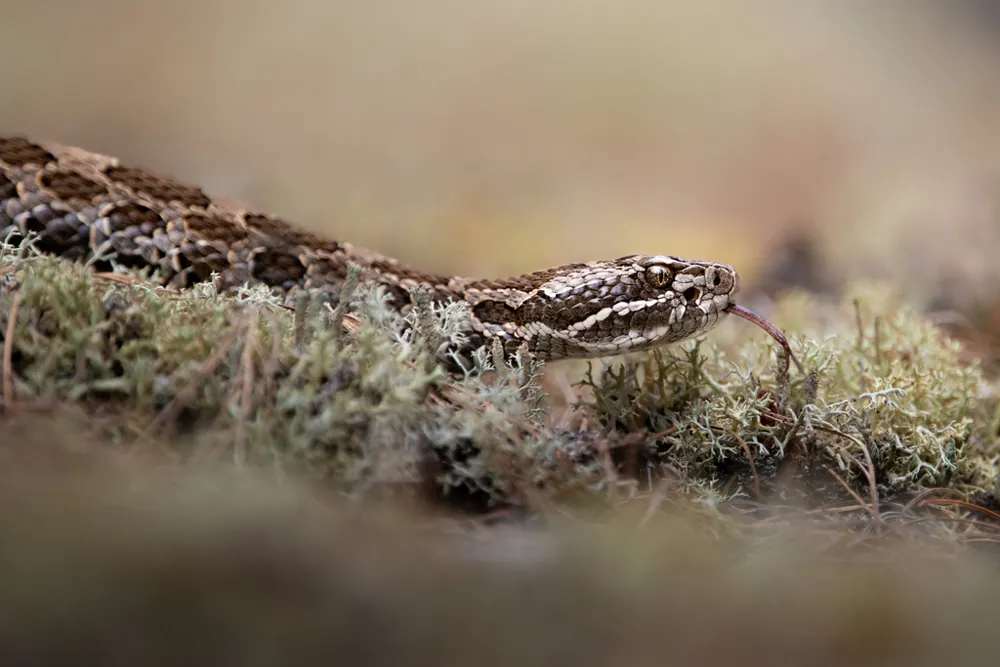
ỊtaThe eastern massasauga is a small rattlesnake that lives in eastern North America, mainly around the Great Lakes. It is the only venomous snake in Ontario, Canada. It is shy and keeps away from people, but it is a protected species because its numbers have fallen sharply.1



 Otú ị ga-esi mata ya
- Ground colour is grey or tan.1
- A row of large, rounded brown or black blotches runs down the centre of the back.1
- Three smaller rows of alternating spots run down each side.1
- Solid black individuals also occur.1
- Like all rattlesnakes, it has heat-sensing pits on each side of its head, between the eye and the nostril.1
Ike nsị
Nsị na-esi n'eze nsị ya ma ọ bụ eze ya apụta mgbe ọ na-ata.
Gịnị ka nsị ọ na-agba na-eme?
Its venom is cytotoxic, which means it destroys tissue. It also contains digestive enzymes that disrupt blood flow and stop blood from clotting. In its prey, these effects cause severe internal bleeding.1
Kedu otú o si dị egwu nye mmadụ?
Ihe ize ndụ nye mmadụ: Ọ dị njọỊta ya chọrọ dọkịta. Ọnwụ anaghị adịkarị ma ọlị.The snake is shy and avoids humans when it can. Most bites in Ontario happened after people handled it or accidentally stepped on it. Only two deaths from its bites have been recorded in Ontario, and in both cases the victims did not receive proper treatment.1
Gịnị ka ọ na-eme mgbe ụjọ tụrụ ya?
It is shy and tends to withdraw from people rather than confront them.1
 Ọ bụrụ na ọ tara
- Mee ka onye ahụ ghara imegharị ahụ, dịkwa jụụ, debe aka ma ọ bụ ụkwụ ahụ ọ tara n'ogo obi, wepụ mgbanaka na ihe ndị kekọrọ ahụ ike, kpọga ya ụlọ ọgwụ ngwa ngwa.
Na-ebu ụzọ kpọọ nọmba mberede gị mgbe niile (112, 000, 911). Nke a bụ ndụmọdụ enyemaka mbụ n'ozuzu, ọ bụghị ndụmọdụ ọgwụ. Isi ihe enyemaka mbụ
 Nọrọ na nchekwa
- Emetụla anụ ọhịa aka, ejidela ya, emekwala ya ihe ọjọọ, ọbụna obere, ọbụna ma ọ dị ka ọ na-ehi ụra ma ọ bụ nwụọ anwụ.
- Nye ya ohere. Ọ bụrụ na ị zutere otu, dị jụụ, laghachi azụ nwayọ, hapụ ya ka ọ gaa ụzọ ya.
- Ọ bụrụ na otu tara gị: dị jụụ, emegharịla ahụ, kpọọ nọmba mberede gị (112, 000, 911) ma ọ bụ gaa ụlọ ọgwụ ngwa ngwa. Cheta ka o si dị, foto na-enye aka.
Ọ naghị achụ gị. Ọ na-eji nsị ya ejide nri ma ọ bụ chebe onwe ya, ọ ga-akakwa mma n'anya ya ịzo onwe ya. Ihe ndị ọzọ gbasara ịnọ na nchekwa
Ọ hà aṅaa?
Kedu otú o si dị ogologo?
 dị ogologo dị ka unere 4 a tọgbọrọ n'ahịrị
 nwere ike ịgba ọsọ mita 100 n'ime sekọnd 110 (mmadụ kacha ọsọ chọrọ 9,6)
Kedu otú Eastern massasauga si hà ma e jiri ya tụnyere GỊ?
Naanị mgbakọ na mwepụ n'ime browser gị. Ọ dịghị ihe echekwara ma ọ bụ ezigara ebe ọ bụla.
Kedu otú o si agba ọsọ?


Eziokwu
It is a pit viper, a family that includes all rattlesnakes, and it is the only venomous snake in Ontario.1
Mothers and newborns stay together for a few days, until the young shed their skin for the first time.1
Females often do not breed every year, usually having a two-year breeding cycle.1
Its populations have declined so much that it has disappeared from many of its former areas, and now survives mainly in small, isolated groups.1
Maka ndị ọkachamara nsị
- Aha sayensị
- Sistrurus catenatus
- Otu
- Rattlesnake
- Ezinụlọ
- Viperidae2
- Usoro
- Squamata
- Kọntinent dị iche iche
- Ugwu Amerika
- Ụmụ ọhụrụ
- It gives birth to live young (it is ovoviviparous), usually in August or September. Litters of 5 to 14 have been reported in Illinois and 6 to 19 in Wisconsin, and the newborns are 18.8 to 24.4 cm long from snout to vent.1
- Otú ọ na-eme n'ọhịa
- Threatened in Canada under federal and Ontario law; listed as endangered in several US states; IUCN Red List: least concern (2007, with a note that the assessment needs updating)1
- Ihe ize ndụ nye mmadụ
- 3 / 5: Ọ dị njọ3
Ebe eziokwu ndị a si
- Eastern massasauga (Wikipedia (CC BY-SA 4.0))
- Sistrurus catenatus (iNaturalist): aha na nhazi ọkwa.
- Venom Wiki: ọkwa ihe ize ndụ, nha nkịtị na nchepụta ọsọ bụ nke anyị. Lee otú anyị si achọpụta ha: Otú anyị si atụ ihe ize ndụ.
Eziokwu ọ bụla dị na peeji a nwere nọmba na-egosi ebe o si. Ọ bụrụ na anyị mehiere ihe, ndo, anyị bụ ndị hụrụ anụmanụ n'anya, ọ bụghị akwụkwọ akụkọ sayensị. Gwa anyị na [email protected], anyị ga-edozi ya.
 Akpị agụụ na-agụ! Venom Wiki bụ ọrụ otu onye: n'efu, na-enweghị mgbasa ozi na ndị na-esochi gị. Obere onyinye na-enyere aka idebe ya n'ịntanetị.Nye akpị nri
 Eastern diamondback rattlesnake
 Timber rattlesnake
 Western diamondback rattlesnake
 Sidewinder
 Mojave rattlesnake
 Aruba rattlesnake
 Terciopelo
 Eastern coral snake
 Eyelash viper
 Arizona bark scorpion
 Brown recluse
 Cane toad