
 Afrịka
 Eshia
Eshia Yurop
Yurop Ndịda Amerika
 Ọstrelia na Oshenia
 Antaktika
 Oké Osimiri Pasifik
 Oké Osimiri Atlantik
 Oké Osimiri India
 Oké Osimiri Arktik
 Osimiri Mediterenian
 Osimiri Uhie
 Osimiri Karibịan
 Osimiri Coral
 Osimiri Ndịda China
 Osimiri Filipin
 Osimiri Andaman
 Osimiri Ugwu (North Sea)
 Osimiri Timor na Arafura
 Ọwara Bengal
 Ọwara California
Rock rattlesnake
 Ịta
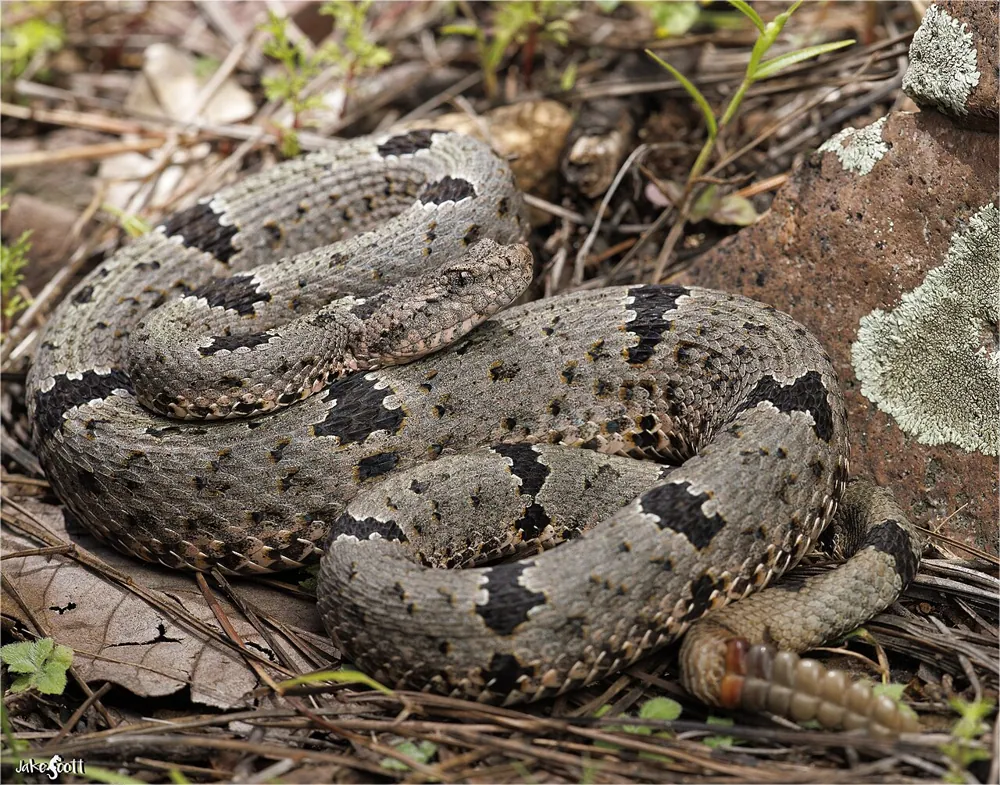
ỊtaThe rock rattlesnake is a small rattlesnake that lives in the south-western United States and northern central Mexico. It spends most of its life among rocks and hides well by blending in with its surroundings. It is venomous, so it is important to know what it looks like and to give it plenty of room.1



 Otú ị ga-esi mata ya
- Usually light grey with darker grey banding, especially near areas of limestone1
- Snakes at higher altitudes tend to be darker1
- The mottled form from the Davis Mountains is often pinkish with dark-grey speckling rather than clear banding1
- The banded form has clean, distinct banding with little speckling or mottling1
- Has a large, rounded head, vertical pupils and a rattle on the tail. It rarely grows longer than 81.3 cm1
Ike nsị
Nsị na-esi n'eze nsị ya ma ọ bụ eze ya apụta mgbe ọ na-ata.
Gịnị ka nsị ọ na-agba na-eme?
Its venom is mainly a hemotoxin, a type of venom that acts on the blood and body tissues. It can also have significant neurotoxic effects, which attack the nerves.1
Kedu otú o si dị egwu nye mmadụ?
Ihe ize ndụ nye mmadụ: Ọ dị njọỊta ya chọrọ dọkịta. Ọnwụ anaghị adịkarị ma ọlị.The snake is not aggressive and relies on camouflage, so it often will not strike or rattle unless it is harassed. However, if someone steps on it or touches it by accident, its immediate reaction is to bite. Most people bitten by this snake were hiking among rocks.1
 Ozi ọma: ndị dọkịta nwere ọgwụ (antivenom) ma ọ bụ ọgwụgwọ maka nke a.1
Gịnị ka ọ na-eme mgbe ụjọ tụrụ ya?
It relies on camouflage and will often stay still rather than strike or rattle unless it is physically harassed.1
 Ọ bụrụ na ọ tara
- Mee ka onye ahụ ghara imegharị ahụ, dịkwa jụụ, debe aka ma ọ bụ ụkwụ ahụ ọ tara n'ogo obi, wepụ mgbanaka na ihe ndị kekọrọ ahụ ike, kpọga ya ụlọ ọgwụ ngwa ngwa.
Na-ebu ụzọ kpọọ nọmba mberede gị mgbe niile (112, 000, 911). Nke a bụ ndụmọdụ enyemaka mbụ n'ozuzu, ọ bụghị ndụmọdụ ọgwụ. Isi ihe enyemaka mbụ
 Nọrọ na nchekwa
- Emetụla anụ ọhịa aka, ejidela ya, emekwala ya ihe ọjọọ, ọbụna obere, ọbụna ma ọ dị ka ọ na-ehi ụra ma ọ bụ nwụọ anwụ.
- Nye ya ohere. Ọ bụrụ na ị zutere otu, dị jụụ, laghachi azụ nwayọ, hapụ ya ka ọ gaa ụzọ ya.
- Ọ bụrụ na otu tara gị: dị jụụ, emegharịla ahụ, kpọọ nọmba mberede gị (112, 000, 911) ma ọ bụ gaa ụlọ ọgwụ ngwa ngwa. Cheta ka o si dị, foto na-enye aka.
Ọ naghị achụ gị. Ọ na-eji nsị ya ejide nri ma ọ bụ chebe onwe ya, ọ ga-akakwa mma n'anya ya ịzo onwe ya. Ihe ndị ọzọ gbasara ịnọ na nchekwa
Ọ hà aṅaa?
Kedu otú o si dị ogologo?
 dị ogologo dị ka nwamba ụlọ 1.5 site n'imi ruo n'ọdụ
 dị ogologo dị ka unere 5 a tọgbọrọ n'ahịrị
 nwere ike ịgba ọsọ mita 100 n'ime sekọnd 110 (mmadụ kacha ọsọ chọrọ 9,6)
Kedu otú Rock rattlesnake si hà ma e jiri ya tụnyere GỊ?
Naanị mgbakọ na mwepụ n'ime browser gị. Ọ dịghị ihe echekwara ma ọ bụ ezigara ebe ọ bụla.
Kedu otú o si agba ọsọ?


Eziokwu
A new segment is added to the rattle each time the snake sheds its skin, but the rattle can break off, so segments do not give a reliable age.1
Its rattle is made of keratin, the same material as human fingernails.1
Its colour generally reflects the colour of the rock where it lives, which helps it stay hidden.1
The young take three or more years to mature.1
Onye na-ekpughe akụkọ ụgha
Akụkọ ụgha: You can tell a rock rattlesnake's age by counting the segments on its rattle.
Eziokwu: A segment is added each time the snake sheds, but the rattle is fragile and can break off, and shedding frequency varies. So the number of segments cannot tell you its age.1
Maka ndị ọkachamara nsị
- Aha sayensị
- Crotalus lepidus
- Otu
- Rattlesnake
- Ezinụlọ
- Viperidae2
- Usoro
- Squamata
- Kọntinent dị iche iche
- Ugwu Amerika
- Ụmụ ọhụrụ
- It is ovoviviparous, so it gives birth to live young, six to eight at a time, about four months after breeding in spring. The young look like small versions of the parents.1
- Otú ọ na-eme n'ọhịa
- Least Concern (IUCN Red List). It is listed as a threatened species by New Mexico.1
- Ihe ize ndụ nye mmadụ
- 3 / 5: Ọ dị njọ3
Ebe eziokwu ndị a si
- Crotalus lepidus (Wikipedia (CC BY-SA 4.0))
- Crotalus lepidus (iNaturalist): aha na nhazi ọkwa.
- Venom Wiki: ọkwa ihe ize ndụ, nha nkịtị na nchepụta ọsọ bụ nke anyị. Lee otú anyị si achọpụta ha: Otú anyị si atụ ihe ize ndụ.
Eziokwu ọ bụla dị na peeji a nwere nọmba na-egosi ebe o si. Ọ bụrụ na anyị mehiere ihe, ndo, anyị bụ ndị hụrụ anụmanụ n'anya, ọ bụghị akwụkwọ akụkọ sayensị. Gwa anyị na [email protected], anyị ga-edozi ya.
 Akpị agụụ na-agụ! Venom Wiki bụ ọrụ otu onye: n'efu, na-enweghị mgbasa ozi na ndị na-esochi gị. Obere onyinye na-enyere aka idebe ya n'ịntanetị.Nye akpị nri
 Eastern diamondback rattlesnake
 Timber rattlesnake
 Western diamondback rattlesnake
 Sidewinder
 Mojave rattlesnake
 Aruba rattlesnake
 Terciopelo
 Eastern coral snake
 Eyelash viper
 Arizona bark scorpion
 Brown recluse
 Cane toad