
 Afrịka
 Eshia
Eshia Yurop
Yurop Ndịda Amerika
 Ọstrelia na Oshenia
 Antaktika
 Oké Osimiri Pasifik
 Oké Osimiri Atlantik
 Oké Osimiri India
 Oké Osimiri Arktik
 Osimiri Mediterenian
 Osimiri Uhie
 Osimiri Karibịan
 Osimiri Coral
 Osimiri Ndịda China
 Osimiri Filipin
 Osimiri Andaman
 Osimiri Ugwu (North Sea)
 Osimiri Timor na Arafura
 Ọwara Bengal
 Ọwara California
Taylor's cantil
 Ịta
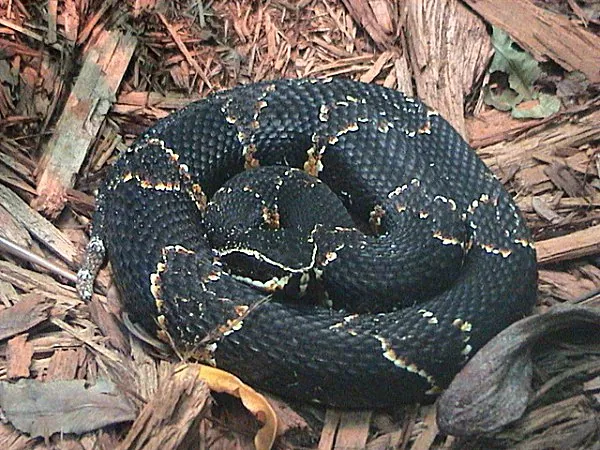
ỊtaTaylor's cantil is a stout, venomous pitviper that lives only in northeastern Mexico. It is rare in the wild, and it is known to be very defensive when approached or restrained. Its name honours Edward Harrison Taylor, a herpetologist who studied the reptiles and amphibians of Mexico.1
 Otú ị ga-esi mata ya
- Two bold white or yellowish stripes run along each side of the face.1
- The body has a pattern of black and grey-brown bands, accented with white, yellow and orange.1
- Males are noticeably darker than females, and some older males become nearly black.1
- The tail ends in a small, downturned, spine-like scale.1
- Adults are stout and medium-sized, usually 64 to 90 cm long.1
A na-agwakọkarị ya na: Other members of the genus Agkistrodon differ in several ways. The cottonmouth and Conant's cantil lack the loreal scale that Taylor's cantil has, and the copperhead and broad-banded cantil lack its face stripes. Taylor's cantil also has fewer subcaudal scales than the other cantils, 45 to 56 in males and 40 to 47 in females.1
Ike nsị
Nsị na-esi n'eze nsị ya ma ọ bụ eze ya apụta mgbe ọ na-ata.
Gịnị ka nsị ọ na-agba na-eme?
Its venom is believed to be similar to that of its close relative, the cantil Agkistrodon bilineatus. The venom is considered potentially fatal.1
Kedu otú o si dị egwu nye mmadụ?
Ihe ize ndụ nye mmadụ: Ọ dị egwu nke ukwuuỌ nwere ike igbu onye na-enwetaghị ọgwụgwọ.No case reports of human envenomations have been published. Because the snake is rare and its venom is thought to be potentially fatal, it is treated with caution.1
Gịnị ka ọ na-eme mgbe ụjọ tụrụ ya?
It is not overtly aggressive, but it is very defensive, with a volatile temper, and may be quick to strike when approached, threatened or restrained.1
 Ọ bụrụ na ọ tara
- Mee ka onye ahụ ghara imegharị ahụ, dịkwa jụụ, debe aka ma ọ bụ ụkwụ ahụ ọ tara n'ogo obi, wepụ mgbanaka na ihe ndị kekọrọ ahụ ike, kpọga ya ụlọ ọgwụ ngwa ngwa.
Na-ebu ụzọ kpọọ nọmba mberede gị mgbe niile (112, 000, 911). Nke a bụ ndụmọdụ enyemaka mbụ n'ozuzu, ọ bụghị ndụmọdụ ọgwụ. Isi ihe enyemaka mbụ
 Nọrọ na nchekwa
- Emetụla anụ ọhịa aka, ejidela ya, emekwala ya ihe ọjọọ, ọbụna obere, ọbụna ma ọ dị ka ọ na-ehi ụra ma ọ bụ nwụọ anwụ.
- Nye ya ohere. Ọ bụrụ na ị zutere otu, dị jụụ, laghachi azụ nwayọ, hapụ ya ka ọ gaa ụzọ ya.
- Ọ bụrụ na otu tara gị: dị jụụ, emegharịla ahụ, kpọọ nọmba mberede gị (112, 000, 911) ma ọ bụ gaa ụlọ ọgwụ ngwa ngwa. Cheta ka o si dị, foto na-enye aka.
Ọ naghị achụ gị. Ọ na-eji nsị ya ejide nri ma ọ bụ chebe onwe ya, ọ ga-akakwa mma n'anya ya ịzo onwe ya. Ihe ndị ọzọ gbasara ịnọ na nchekwa
Ọ hà aṅaa?
Kedu otú o si dị ogologo?
 dị ogologo dị ka nwamba ụlọ 2 site n'imi ruo n'ọdụ
 dị ogologo dị ka unere 5 a tọgbọrọ n'ahịrị
 nwere ike ịgba ọsọ mita 100 n'ime sekọnd 100 (mmadụ kacha ọsọ chọrọ 9,6)
Kedu otú Taylor's cantil si hà ma e jiri ya tụnyere GỊ?
Naanị mgbakọ na mwepụ n'ime browser gị. Ọ dịghị ihe echekwara ma ọ bụ ezigara ebe ọ bụla.
Kedu otú o si agba ọsọ?


Eziokwu
Only a handful of specimens were known for decades. A 1948 to 1953 field study in Tamaulipas yielded just three specimens over 14 months of fieldwork.1
It is the only species in its genus with an obvious difference in colour between males and females.1
It was first collected in 1938 crawling on a highway, and it was not formally described as a subspecies until 1951.1
Its tail is proportionately shorter than in other cantils, making up 16 to 19% of total length in males and 13 to 18% in females.1
Maka ndị ọkachamara nsị
Ebe eziokwu ndị a si
- Agkistrodon taylori (Wikipedia (CC BY-SA 4.0))
- Agkistrodon taylori (iNaturalist): aha na nhazi ọkwa.
- Venom Wiki: ọkwa ihe ize ndụ, nha nkịtị na nchepụta ọsọ bụ nke anyị. Lee otú anyị si achọpụta ha: Otú anyị si atụ ihe ize ndụ.
Eziokwu ọ bụla dị na peeji a nwere nọmba na-egosi ebe o si. Ọ bụrụ na anyị mehiere ihe, ndo, anyị bụ ndị hụrụ anụmanụ n'anya, ọ bụghị akwụkwọ akụkọ sayensị. Gwa anyị na [email protected], anyị ga-edozi ya.
 Akpị agụụ na-agụ! Venom Wiki bụ ọrụ otu onye: n'efu, na-enweghị mgbasa ozi na ndị na-esochi gị. Obere onyinye na-enyere aka idebe ya n'ịntanetị.Nye akpị nri
 Terciopelo
 Eyelash viper
 Cottonmouth
 Eastern copperhead
 Cantil
 Central American bushmaster
 Eastern coral snake
 Eastern diamondback rattlesnake
 Timber rattlesnake
 Western diamondback rattlesnake
 Arizona bark scorpion
 Brown recluse