
 អាហ្វ្រិក
 អាស៊ី
អាស៊ី អឺរ៉ុប
 អាមេរិកខាងត្បូង
 អូស្ត្រាលី និងអូសេអានី
 អង់តាក់ទិក
 មហាសមុទ្រប៉ាស៊ីហ្វិក
 មហាសមុទ្រអាត្លង់ទិក
 មហាសមុទ្រឥណ្ឌា
 មហាសមុទ្រអាកទិក
 សមុទ្រមេឌីទែរ៉ាណេ
 សមុទ្រក្រហម
 សមុទ្រការ៉ាអ៊ីប
 សមុទ្រផ្កាថ្ម
 សមុទ្រចិនខាងត្បូង
 សមុទ្រហ្វីលីពីន
 សមុទ្រអង់ដាម៉ាន់
 សមុទ្រខាងជើង
 សមុទ្រទីម័រ និងសមុទ្រអារ៉ាហ្វូរ៉ា
 ឈូងសមុទ្របេងហ្គាល់
 ឈូងសមុទ្រកាលីហ្វ័រញ៉ា
Aerial yellowjacket
 ទិច
ទិចThe aerial yellowjacket is a yellow and black wasp that lives across Canada and the United States. It builds grey paper nests, often high in trees, and it can deliver a sting. Its nests can be found on buildings in towns and cities.1



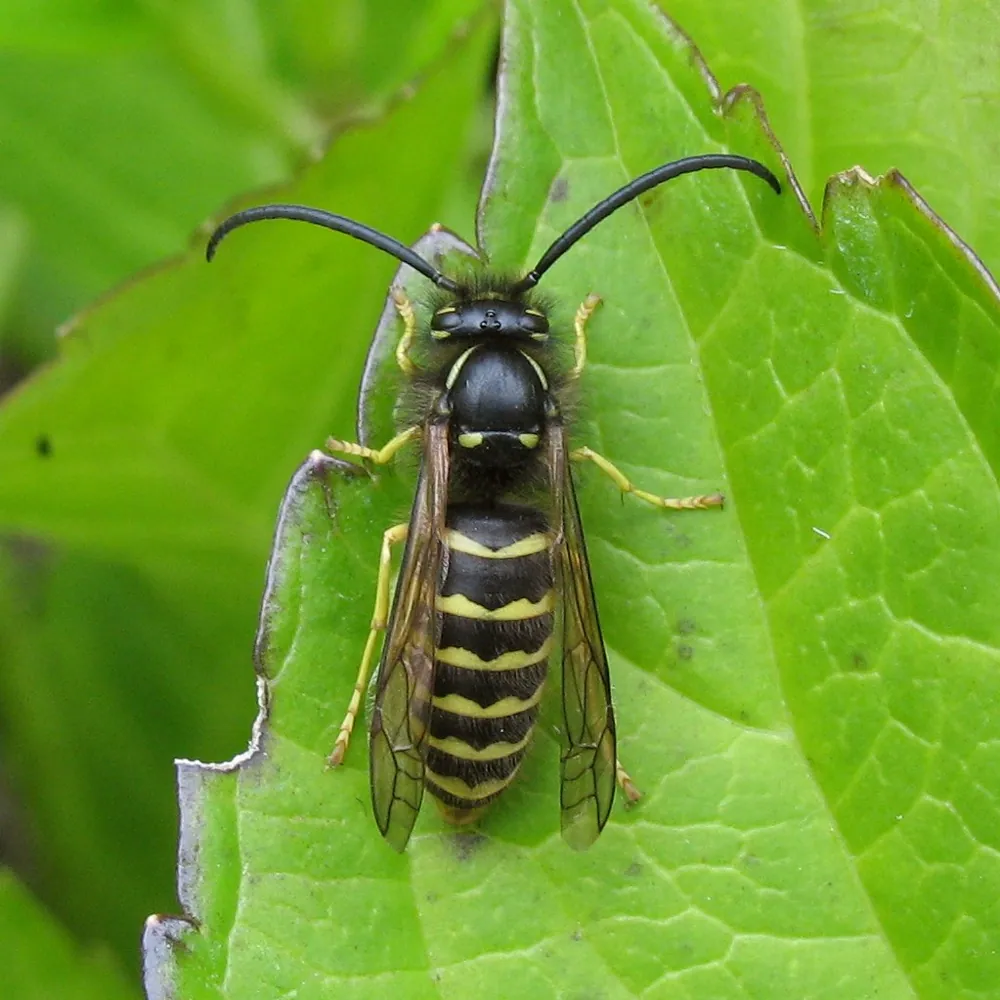
 របៀបស្គាល់វា
- Yellow in colour, with bands on the abdomen (the rear part of the body)1
- No black markings on the ocular sinus (the area of the face around the eye)1
- Queens have large black spots on the abdomen, with smaller spots towards the front1
- Males have larger antennae and an abdomen that ends in a flat, fuzzy tip instead of a pointed sting1
- Nests are made of dull grey paper, with 1 to 6 combs1
ច្រើនតែច្រឡំជាមួយ៖ It is often confused with other yellow wasps in its genus, such as Dolichovespula adulterina. The aerial yellowjacket can be told apart by the lack of black markings in the ocular sinus.1
អំណាចពិស
ពិសចេញតាមម្ជុលទិច។
តើវាគ្រោះថ្នាក់ប៉ុណ្ណាចំពោះមនុស្ស?
គ្រោះថ្នាក់ចំពោះមនុស្ស: ឈឺចាប់វាអាចឈឺខ្លាំងមែន ប៉ុន្តែស្ទើរតែមិនដែលធ្ងន់ធ្ងរទេ។តើវាធ្វើអ្វីនៅពេលវាខ្លាច?
When a nest is threatened, workers can spray venom out of their sting, which releases an alarm pheromone that draws other wasps into attack.1
 ប្រសិនបើវាទិច
- កោសម្ជុលទិចរបស់ឃ្មុំចេញ ហើយធ្វើឱ្យកន្លែងនោះត្រជាក់។
- ប្រសិនបើអ្នករងគ្រោះពិបាកដកដង្ហើម ហើមមុខ ឬហើមបំពង់ក ឬមានអារម្មណ៍ដូចជិតសន្លប់ នោះជាភាពអាសន្ននៃប្រតិកម្មអាឡែស៊ី៖ ទូរស័ព្ទទៅលេខសង្គ្រោះបន្ទាន់ ហើយប្រើប៉ាកាចាក់អាដ្រេណាលីនរបស់គាត់ ប្រសិនបើគាត់មាន។
ត្រូវទូរស័ព្ទទៅលេខសង្គ្រោះបន្ទាន់ជាមុនសិនជានិច្ច (112, 000, 911)។ នេះជាការណែនាំសង្គ្រោះបឋមទូទៅ មិនមែនជាដំបូន្មានវេជ្ជសាស្ត្រទេ។ មូលដ្ឋាននៃការសង្គ្រោះបឋម
 រក្សាសុវត្ថិភាព
- កុំប៉ះ ចាប់ ឬរំខានសត្វព្រៃជាដាច់ខាត ទោះបីវាតូចក៏ដោយ ហើយទោះបីវាមើលទៅដូចជាកំពុងដេក ឬងាប់ក៏ដោយ។
- ទុកចន្លោះឱ្យវា។ ប្រសិនបើអ្នកជួបវា ចូរនៅស្ងប់ ថយក្រោយយឺតៗ ហើយទុកឱ្យវាទៅតាមផ្លូវរបស់វា។
- ប្រសិនបើវាទិចអ្នក៖ ចូរនៅស្ងប់ នៅស្ងៀម ទូរស័ព្ទទៅលេខសង្គ្រោះបន្ទាន់ (112, 000, 911) ឬទៅមន្ទីរពេទ្យឱ្យបានលឿន។ ចងចាំថាវាមានរូបរាងយ៉ាងដូចម្តេច រូបថតមួយអាចជួយបាន។
វាមិនមែនចង់តាមចាប់អ្នកទេ។ វាប្រើពិសរបស់វាដើម្បីចាប់ចំណី ឬការពារខ្លួន ហើយវាចូលចិត្តលាក់ខ្លួនជាង។ បន្ថែមទៀតអំពីការរក្សាសុវត្ថិភាព
នៅកន្លែងណាក្នុងពិភពលោក?
តើវាធំប៉ុណ្ណា?
តើវាវែងប៉ុណ្ណា?
 ខ្លីជាងម្រាមដៃកូនរបស់អ្នក
 អាចហោះឆ្លងកាត់ទីលានបាល់ទាត់ទាំងមូលក្នុងរយៈពេល 16 វិនាទី
តើ Aerial yellowjacket ធំប៉ុណ្ណា បើប្រៀបនឹងអ្នក?
គ្រាន់តែជាការគណនានៅក្នុងកម្មវិធីរុករករបស់អ្នក។ គ្មានអ្វីត្រូវបានរក្សាទុក ឬផ្ញើទៅកន្លែងណាទេ។
តើវាលឿនប៉ុណ្ណា?


ការពិត
Unlike many of its relatives, this wasp is known to spray venom out of its sting, a behaviour seen in workers from large colonies.1
Female bee moths (Aphomia sociella) sometimes lay their eggs in these nests, and their larvae can destroy large parts of the nest as they feed.1
Because nests are built high in trees, birds and other wasps are among the few predators that reach them. Skunks, opossums, raccoons and bears sometimes raid low or badly placed nests for the nutrient-rich larvae.1
Small colonies can behave unpredictably and erratically when defending their nest.1
Colonies usually last about a year before they die out as winter arrives.1
សម្រាប់អ្នកជំនាញខាងពិស
- ឈ្មោះវិទ្យាសាស្ត្រ
- Dolichovespula arenaria
- ក្រុម
- ឃ្មុំ ឪម៉ាល់ និងឪម៉ាល់ធំ
- គ្រួសារ
- Vespidae2
- លំដាប់
- Hymenoptera
- ទ្វីបនានា
- អាមេរិកខាងជើង
- កូនតូចៗ
- A queen starts a new colony each spring by building a small paper nest and laying eggs. The larvae grow into workers, and the colony peaks in summer.1
- គ្រោះថ្នាក់ចំពោះមនុស្ស
- 2 / 5: ឈឺចាប់3
ការពិតមកពីណា
- Dolichovespula arenaria (Wikipedia (CC BY-SA 4.0))
- Dolichovespula arenaria (iNaturalist): ឈ្មោះ និងចំណាត់ថ្នាក់។
- Venom Wiki: កម្រិតគ្រោះថ្នាក់ ទំហំធម្មតា និងការប៉ាន់ស្មានល្បឿន គឺជារបស់យើងផ្ទាល់។ មើលពីរបៀបដែលយើងគណនាវា៖ របៀបដែលយើងវាយតម្លៃគ្រោះថ្នាក់.
ការពិតនីមួយៗនៅលើទំព័រនេះមានលេខដែលចង្អុលទៅប្រភពរបស់វា។ ប្រសិនបើយើងសរសេរខុស សូមអភ័យទោស យើងជាអ្នកស្រឡាញ់សត្វ មិនមែនជាទស្សនាវដ្តីវិទ្យាសាស្ត្រទេ។ ប្រាប់យើងតាម [email protected] ហើយយើងនឹងកែវា។
 ខ្ទួយឃ្លានហើយ! Venom Wiki ជាគម្រោងរបស់មនុស្សម្នាក់៖ ឥតគិតថ្លៃ គ្មានការផ្សាយពាណិជ្ជកម្ម និងគ្មានកម្មវិធីតាមដាន។ ការឧបត្ថម្ភតិចតួចជួយឱ្យវានៅតែដំណើរការលើអ៊ីនធឺណិត។ផ្តល់ចំណីខ្ទួយ
បន្ថែមទៀតពីក្រុមដូចគ្នា: ឃ្មុំ ឪម៉ាល់ និងឪម៉ាល់ធំ
 Tarantula hawkឃ្មុំ ឪម៉ាល់ និងឪម៉ាល់ធំគ្រាន់តែឈឺ
 Executioner waspឃ្មុំ ឪម៉ាល់ និងឪម៉ាល់ធំត្រូវការគ្រូពេទ្យ
 Warrior waspឃ្មុំ ឪម៉ាល់ និងឪម៉ាល់ធំត្រូវការគ្រូពេទ្យ
 Bald-faced hornetឃ្មុំ ឪម៉ាល់ និងឪម៉ាល់ធំគ្រាន់តែឈឺ
 Cow killer velvet antឃ្មុំ ឪម៉ាល់ និងឪម៉ាល់ធំគ្រាន់តែឈឺ
 Eastern cicada killerឃ្មុំ ឪម៉ាល់ និងឪម៉ាល់ធំគ្មានគ្រោះថ្នាក់
 Terciopelo
 Eastern coral snake
 Eastern diamondback rattlesnake
 Eyelash viper
 Timber rattlesnake
 Western diamondback rattlesnake
.jpg)