
 អាហ្វ្រិក
 អាស៊ី
អាស៊ី អឺរ៉ុប
 អាមេរិកខាងត្បូង
 អូស្ត្រាលី និងអូសេអានី
 អង់តាក់ទិក
 មហាសមុទ្រប៉ាស៊ីហ្វិក
 មហាសមុទ្រអាត្លង់ទិក
 មហាសមុទ្រឥណ្ឌា
 មហាសមុទ្រអាកទិក
 សមុទ្រមេឌីទែរ៉ាណេ
 សមុទ្រក្រហម
 សមុទ្រការ៉ាអ៊ីប
 សមុទ្រផ្កាថ្ម
 សមុទ្រចិនខាងត្បូង
 សមុទ្រហ្វីលីពីន
 សមុទ្រអង់ដាម៉ាន់
 សមុទ្រខាងជើង
 សមុទ្រទីម័រ និងសមុទ្រអារ៉ាហ្វូរ៉ា
 ឈូងសមុទ្របេងហ្គាល់
 ឈូងសមុទ្រកាលីហ្វ័រញ៉ា
Giant leaf frog
 ជាតិពុលនៅក្នុងស្បែក
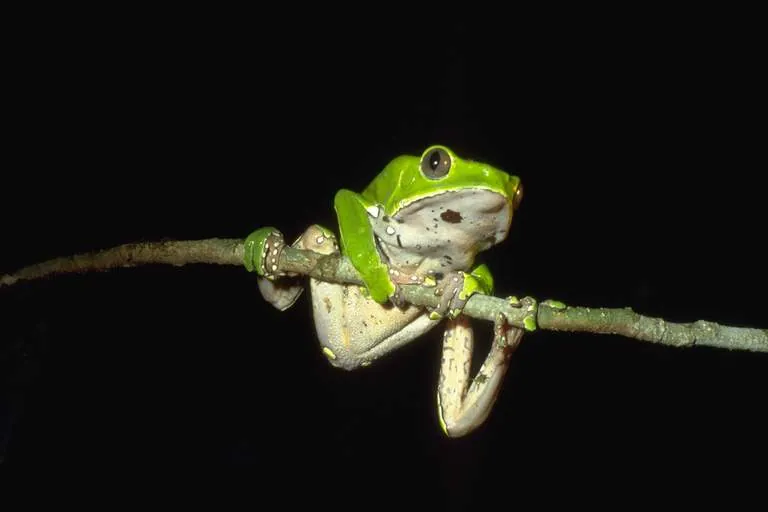
The giant leaf frog is a large tree frog with lime green skin and a white or cream belly. It lives in the rainforests of the Amazon basin in South America. Its skin releases chemicals that act as a defence against predators.1
 របៀបស្គាល់វា
- Lime green back with a white to yellow-white or cream belly1
- Sparse white spots with dark frames on the lower lips, chest and front legs, denser on the flanks and hind legs1
- Transparent brown fingers with large green adhesive discs1
- A prominent gland behind each eye, extending over the eardrum1
- Dark grey iris1
អំណាចជាតិពុល
ស្បែករបស់វាពុល។ វាគ្រោះថ្នាក់ក្នុងការប៉ះ លិត ឬញ៉ាំ។
តើជាតិពុលរបស់វាធ្វើអ្វី?
The giant leaf frog's skin secretion contains opioid peptides, including deltorphin and dermorphin. Its skin peptides act as a chemical defence against predators. In kambo rituals, where the secretion is used, it induces intense vomiting.1
តើវាគ្រោះថ្នាក់ប៉ុណ្ណាចំពោះមនុស្ស?
គ្រោះថ្នាក់ចំពោះមនុស្ស: ឈឺចាប់វាអាចឈឺខ្លាំងមែន ប៉ុន្តែស្ទើរតែមិនដែលធ្ងន់ធ្ងរទេ។តើវាធ្វើអ្វីនៅពេលវាខ្លាច?
When threatened, its skin produces peptides that act as a chemical defence against predators.1
 ប្រសិនបើនរណាម្នាក់បានប៉ះ ឬញ៉ាំវា
- ប្រសិនបើនរណាម្នាក់បានប៉ះវា៖ លាងដៃឱ្យបានស្អាត ហើយកុំប៉ះភ្នែក ឬមាត់។ ប្រសិនបើក្មេង ឬសត្វចិញ្ចឹមបានលិត ឬញ៉ាំវា៖ ទូរស័ព្ទទៅមជ្ឈមណ្ឌលប្រឆាំងការពុល ឬលេខសង្គ្រោះបន្ទាន់។
ត្រូវទូរស័ព្ទទៅលេខសង្គ្រោះបន្ទាន់ជាមុនសិនជានិច្ច (112, 000, 911)។ នេះជាការណែនាំសង្គ្រោះបឋមទូទៅ មិនមែនជាដំបូន្មានវេជ្ជសាស្ត្រទេ។ មូលដ្ឋាននៃការសង្គ្រោះបឋម
 រក្សាសុវត្ថិភាព
- កុំប៉ះ ចាប់ ឬរំខានសត្វព្រៃជាដាច់ខាត ទោះបីវាតូចក៏ដោយ ហើយទោះបីវាមើលទៅដូចជាកំពុងដេក ឬងាប់ក៏ដោយ។
- ទុកចន្លោះឱ្យវា។ ប្រសិនបើអ្នកជួបវា ចូរនៅស្ងប់ ថយក្រោយយឺតៗ ហើយទុកឱ្យវាទៅតាមផ្លូវរបស់វា។
- ប្រសិនបើអ្នកបានប៉ះ ឬញ៉ាំវា៖ កុំត្រដុសភ្នែក ឬមាត់ ចូរលាងដៃ ហើយរកជំនួយវេជ្ជសាស្ត្រ។
វាមិនមែនចង់តាមចាប់អ្នកទេ។ ជាតិពុលរបស់វាមានតែដើម្បីកុំឱ្យសត្វណាស៊ីវាប៉ុណ្ណោះ។ បន្ថែមទៀតអំពីការរក្សាសុវត្ថិភាព
នៅកន្លែងណាក្នុងពិភពលោក?
តើវាធំប៉ុណ្ណា?
តើវាវែងប៉ុណ្ណា?
 វែងដូចប្លុកសំណង់ក្មេងលេង 4 ដុំតជាជួរ
 អាចរត់បាន 100 ម៉ែត្រក្នុងរយៈពេល 72 វិនាទី (មនុស្សលឿនបំផុតត្រូវការ 9.6)
តើ Giant leaf frog ធំប៉ុណ្ណា បើប្រៀបនឹងអ្នក?
គ្រាន់តែជាការគណនានៅក្នុងកម្មវិធីរុករករបស់អ្នក។ គ្មានអ្វីត្រូវបានរក្សាទុក ឬផ្ញើទៅកន្លែងណាទេ។
តើវាលឿនប៉ុណ្ណា?


ការពិត
Its skin secretion is known as Vacina do sapo, or frog vaccine, and is used in a ritual called kambo or sapo.1
Up to 61% of the eggs of the giant leaf frog are eaten by predators.1
Males fight rivals for mating rights by using their heads to separate a rival male from a female, and by pushing with their hind legs.1
Males are more likely to be targeted by predators during mating season, because their loud fights can be heard easily.1
Eggs are eaten by rove beetles, phorid flies, possibly tufted capuchins and banded cat-eyed snakes, because they are a source of protein.1
សម្រាប់អ្នកជំនាញខាងពិស
- ឈ្មោះវិទ្យាសាស្ត្រ
- Phyllomedusa bicolor
- ក្រុម
- កង្កែបពុល កង្កែបពក និងសត្វញូត
- គ្រួសារ
- Phyllomedusidae2
- លំដាប់
- Anura
- ទ្វីបនានា
- អាមេរិកខាងត្បូង
- កូនតូចៗ
- The female and male build a leaf-nest above forest pools and lay eggs in a gelatinous mass about 70 cm above the water. The eggs hatch in about 14 days, and the tadpoles fall into the water to develop into adult frogs.1
- ស្ថានភាពរបស់វានៅក្នុងធម្មជាតិ
- Least Concern1
- គ្រោះថ្នាក់ចំពោះមនុស្ស
- 2 / 5: ឈឺចាប់3
ការពិតមកពីណា
- Phyllomedusa bicolor (Wikipedia (CC BY-SA 4.0))
- Phyllomedusa bicolor (iNaturalist): ឈ្មោះ និងចំណាត់ថ្នាក់។
- Venom Wiki: កម្រិតគ្រោះថ្នាក់ ទំហំធម្មតា និងការប៉ាន់ស្មានល្បឿន គឺជារបស់យើងផ្ទាល់។ មើលពីរបៀបដែលយើងគណនាវា៖ របៀបដែលយើងវាយតម្លៃគ្រោះថ្នាក់.
ការពិតនីមួយៗនៅលើទំព័រនេះមានលេខដែលចង្អុលទៅប្រភពរបស់វា។ ប្រសិនបើយើងសរសេរខុស សូមអភ័យទោស យើងជាអ្នកស្រឡាញ់សត្វ មិនមែនជាទស្សនាវដ្តីវិទ្យាសាស្ត្រទេ។ ប្រាប់យើងតាម [email protected] ហើយយើងនឹងកែវា។
 ខ្ទួយឃ្លានហើយ! Venom Wiki ជាគម្រោងរបស់មនុស្សម្នាក់៖ ឥតគិតថ្លៃ គ្មានការផ្សាយពាណិជ្ជកម្ម និងគ្មានកម្មវិធីតាមដាន។ ការឧបត្ថម្ភតិចតួចជួយឱ្យវានៅតែដំណើរការលើអ៊ីនធឺណិត។ផ្តល់ចំណីខ្ទួយ
បន្ថែមទៀតពីក្រុមដូចគ្នា: កង្កែបពុល កង្កែបពក និងសត្វញូត
 Golden poison frogកង្កែបពុល កង្កែបពក និងសត្វញូតគ្រោះថ្នាក់ដល់ជីវិតកុំប៉ះ
 Cane toadកង្កែបពុល កង្កែបពក និងសត្វញូតត្រូវការគ្រូពេទ្យកុំប៉ះ
 Dyeing poison dart frogកង្កែបពុល កង្កែបពក និងសត្វញូតគ្រាន់តែឈឺកុំប៉ះ
 Black-legged poison frogកង្កែបពុល កង្កែបពក និងសត្វញូតអាចសម្លាប់បានកុំប៉ះ
 Bruno's casque-headed frogកង្កែបពុល កង្កែបពក និងសត្វញូតត្រូវការគ្រូពេទ្យកុំប៉ះ
 Harlequin poison frogកង្កែបពុល កង្កែបពក និងសត្វញូតត្រូវការគ្រូពេទ្យកុំប៉ះ
 Terciopelo
 Brazilian wandering spider
 Eyelash viper
 Golden lancehead
 South American bushmaster
 Peruvian giant centipede