
 អាហ្វ្រិក
 អាស៊ី
អាស៊ី អឺរ៉ុប
 អាមេរិកខាងត្បូង
 អូស្ត្រាលី និងអូសេអានី
 អង់តាក់ទិក
 មហាសមុទ្រប៉ាស៊ីហ្វិក
 មហាសមុទ្រអាត្លង់ទិក
 មហាសមុទ្រឥណ្ឌា
 មហាសមុទ្រអាកទិក
 សមុទ្រមេឌីទែរ៉ាណេ
 សមុទ្រក្រហម
 សមុទ្រការ៉ាអ៊ីប
 សមុទ្រផ្កាថ្ម
 សមុទ្រចិនខាងត្បូង
 សមុទ្រហ្វីលីពីន
 សមុទ្រអង់ដាម៉ាន់
 សមុទ្រខាងជើង
 សមុទ្រទីម័រ និងសមុទ្រអារ៉ាហ្វូរ៉ា
 ឈូងសមុទ្របេងហ្គាល់
 ឈូងសមុទ្រកាលីហ្វ័រញ៉ា
Red-backed poison frog
 ជាតិពុលនៅក្នុងស្បែក
The red-backed poison frog is a tiny frog that lives high in the Amazon rainforest of Peru and Ecuador. It is moderately poisonous, and its skin poison can cause serious injury to people. Its bright red back warns predators to stay away.1



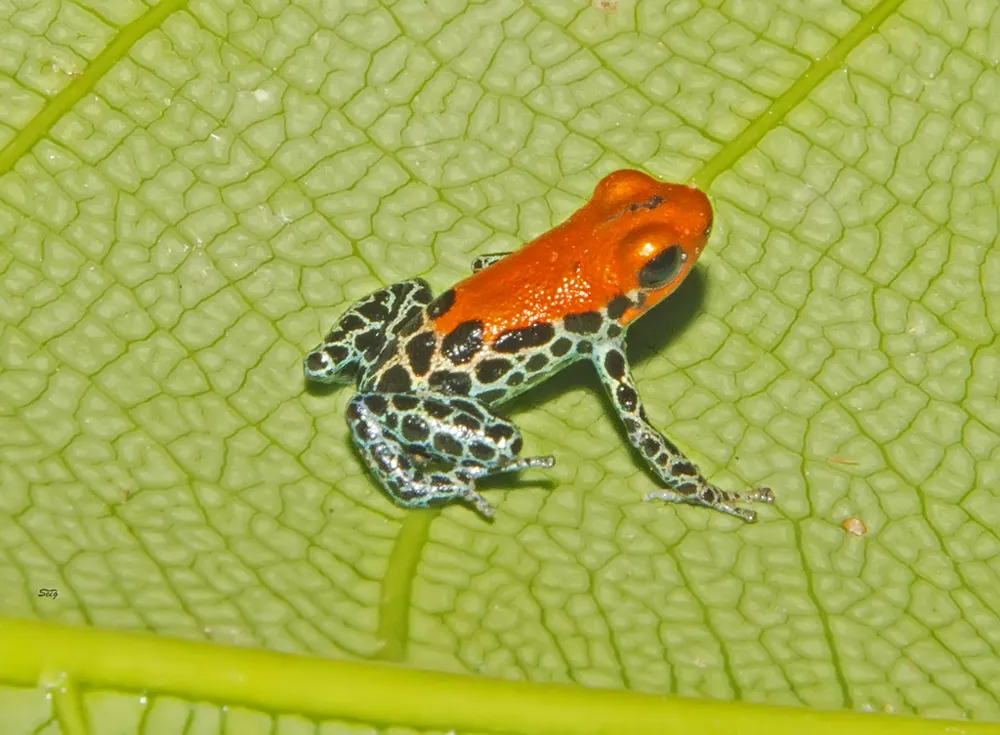
 របៀបស្គាល់វា
អំណាចជាតិពុល
ស្បែករបស់វាពុល។ វាគ្រោះថ្នាក់ក្នុងការប៉ះ លិត ឬញ៉ាំ។
តើជាតិពុលរបស់វាធ្វើអ្វី?
This frog is poisonous, not venomous, so it does not bite or sting. Its poison is stored in skin glands just beneath the outer layer of skin. It seeps through open wounds, body openings and pores. The poison can cause serious injury to humans and death in animals such as chickens.1
តើវាគ្រោះថ្នាក់ប៉ុណ្ណាចំពោះមនុស្ស?
គ្រោះថ្នាក់ចំពោះមនុស្ស: ឈឺចាប់វាអាចឈឺខ្លាំងមែន ប៉ុន្តែស្ទើរតែមិនដែលធ្ងន់ធ្ងរទេ។The poison is moderately toxic and can cause serious injury to humans.1
តើវាធ្វើអ្វីនៅពេលវាខ្លាច?
When it is threatened, it shows its bright warning colours, climbs trees to escape, or uses its poison if it cannot get away.1
 ប្រសិនបើនរណាម្នាក់បានប៉ះ ឬញ៉ាំវា
- ប្រសិនបើនរណាម្នាក់បានប៉ះវា៖ លាងដៃឱ្យបានស្អាត ហើយកុំប៉ះភ្នែក ឬមាត់។ ប្រសិនបើក្មេង ឬសត្វចិញ្ចឹមបានលិត ឬញ៉ាំវា៖ ទូរស័ព្ទទៅមជ្ឈមណ្ឌលប្រឆាំងការពុល ឬលេខសង្គ្រោះបន្ទាន់។
ត្រូវទូរស័ព្ទទៅលេខសង្គ្រោះបន្ទាន់ជាមុនសិនជានិច្ច (112, 000, 911)។ នេះជាការណែនាំសង្គ្រោះបឋមទូទៅ មិនមែនជាដំបូន្មានវេជ្ជសាស្ត្រទេ។ មូលដ្ឋាននៃការសង្គ្រោះបឋម
 រក្សាសុវត្ថិភាព
- កុំប៉ះ ចាប់ ឬរំខានសត្វព្រៃជាដាច់ខាត ទោះបីវាតូចក៏ដោយ ហើយទោះបីវាមើលទៅដូចជាកំពុងដេក ឬងាប់ក៏ដោយ។
- ទុកចន្លោះឱ្យវា។ ប្រសិនបើអ្នកជួបវា ចូរនៅស្ងប់ ថយក្រោយយឺតៗ ហើយទុកឱ្យវាទៅតាមផ្លូវរបស់វា។
- ប្រសិនបើអ្នកបានប៉ះ ឬញ៉ាំវា៖ កុំត្រដុសភ្នែក ឬមាត់ ចូរលាងដៃ ហើយរកជំនួយវេជ្ជសាស្ត្រ។
វាមិនមែនចង់តាមចាប់អ្នកទេ។ ជាតិពុលរបស់វាមានតែដើម្បីកុំឱ្យសត្វណាស៊ីវាប៉ុណ្ណោះ។ បន្ថែមទៀតអំពីការរក្សាសុវត្ថិភាព
នៅកន្លែងណាក្នុងពិភពលោក?
តើវាធំប៉ុណ្ណា?
តើវាវែងប៉ុណ្ណា?
 ខ្លីជាងម្រាមដៃកូនរបស់អ្នក
 អាចរត់បាន 100 ម៉ែត្រក្នុងរយៈពេល 110 វិនាទី (មនុស្សលឿនបំផុតត្រូវការ 9.6)
តើ Red-backed poison frog ធំប៉ុណ្ណា បើប្រៀបនឹងអ្នក?
គ្រាន់តែជាការគណនានៅក្នុងកម្មវិធីរុករករបស់អ្នក។ គ្មានអ្វីត្រូវបានរក្សាទុក ឬផ្ញើទៅកន្លែងណាទេ។
តើវាលឿនប៉ុណ្ណា?


ការពិត
Males stick the tadpoles to their backs using a water-soluble mucus, then carry them into the canopy.1
Males place the tadpoles in tiny pools that collect in the centre of bromeliad plants. The mother then feeds them infertile eggs laid in the water.1
Once they become froglets, the young are led to an existing group, where all members accept them, though only their parents care for them.1
It is the second most poisonous frog in its genus Ranitomeya, after R. variabilis.1
Breeding gatherings take place at the end of the wet season, so the eggs are laid at the start of the next wet season, when the young have a steady supply of water.1
Deforestation for charcoal and the capture of frogs for the international pet trade are the main threats to it.1
សម្រាប់អ្នកជំនាញខាងពិស
- ឈ្មោះវិទ្យាសាស្ត្រ
- Ranitomeya reticulata
- ក្រុម
- កង្កែបពុល កង្កែបពក និងសត្វញូត
- គ្រួសារ
- Dendrobatidae2
- លំដាប់
- Anura
- ទ្វីបនានា
- អាមេរិកខាងត្បូង
- កូនតូចៗ
- Females lay eggs on the ground, and after the eggs hatch, males carry the tadpoles up into the canopy.1
- ស្ថានភាពរបស់វានៅក្នុងធម្មជាតិ
- Least Concern1
- គ្រោះថ្នាក់ចំពោះមនុស្ស
- 2 / 5: ឈឺចាប់3
ការពិតមកពីណា
- Red-backed poison frog (Wikipedia (CC BY-SA 4.0))
- Ranitomeya reticulata (iNaturalist): ឈ្មោះ និងចំណាត់ថ្នាក់។
- Venom Wiki: កម្រិតគ្រោះថ្នាក់ ទំហំធម្មតា និងការប៉ាន់ស្មានល្បឿន គឺជារបស់យើងផ្ទាល់។ មើលពីរបៀបដែលយើងគណនាវា៖ របៀបដែលយើងវាយតម្លៃគ្រោះថ្នាក់.
ការពិតនីមួយៗនៅលើទំព័រនេះមានលេខដែលចង្អុលទៅប្រភពរបស់វា។ ប្រសិនបើយើងសរសេរខុស សូមអភ័យទោស យើងជាអ្នកស្រឡាញ់សត្វ មិនមែនជាទស្សនាវដ្តីវិទ្យាសាស្ត្រទេ។ ប្រាប់យើងតាម [email protected] ហើយយើងនឹងកែវា។
 ខ្ទួយឃ្លានហើយ! Venom Wiki ជាគម្រោងរបស់មនុស្សម្នាក់៖ ឥតគិតថ្លៃ គ្មានការផ្សាយពាណិជ្ជកម្ម និងគ្មានកម្មវិធីតាមដាន។ ការឧបត្ថម្ភតិចតួចជួយឱ្យវានៅតែដំណើរការលើអ៊ីនធឺណិត។ផ្តល់ចំណីខ្ទួយ
បន្ថែមទៀតពីក្រុមដូចគ្នា: កង្កែបពុល កង្កែបពក និងសត្វញូត
 Golden poison frogកង្កែបពុល កង្កែបពក និងសត្វញូតគ្រោះថ្នាក់ដល់ជីវិតកុំប៉ះ
 Cane toadកង្កែបពុល កង្កែបពក និងសត្វញូតត្រូវការគ្រូពេទ្យកុំប៉ះ
 Dyeing poison dart frogកង្កែបពុល កង្កែបពក និងសត្វញូតគ្រាន់តែឈឺកុំប៉ះ
 Black-legged poison frogកង្កែបពុល កង្កែបពក និងសត្វញូតអាចសម្លាប់បានកុំប៉ះ
 Bruno's casque-headed frogកង្កែបពុល កង្កែបពក និងសត្វញូតត្រូវការគ្រូពេទ្យកុំប៉ះ
 Harlequin poison frogកង្កែបពុល កង្កែបពក និងសត្វញូតត្រូវការគ្រូពេទ្យកុំប៉ះ
 Terciopelo
 Brazilian wandering spider
 Eyelash viper
 Golden lancehead
 South American bushmaster
 Peruvian giant centipede