
 ອາຟຣິກາ
 ອາຊີ
ອາຊີ ເອີຣົບ
 ອາເມລິກາໃຕ້
 ອົດສະຕຣາລີ ແລະ ໂອເຊຍເນຍ
 ແອນຕາກຕິກາ
 ມະຫາສະໝຸດປາຊີຟິກ
 ມະຫາສະໝຸດອັດລັງຕິກ
 ມະຫາສະໝຸດອິນເດຍ
 ມະຫາສະໝຸດອາກຕິກ
 ທະເລເມດິເຕີເຣນຽນ
 ທະເລແດງ
 ທະເລຄາຣິບບຽນ
 ທະເລຄໍຣັລ
 ທະເລຈີນໃຕ້
 ທະເລຟິລິບປິນ
 ທະເລອັນດາມັນ
 ທະເລເໜືອ
 ທະເລຕີມໍ ແລະ ທະເລອາຣາຟູຣາ
 ອ່າວເບັງກອນ
 ອ່າວແຄລິຟໍເນຍ
Castellana
 ກັດ
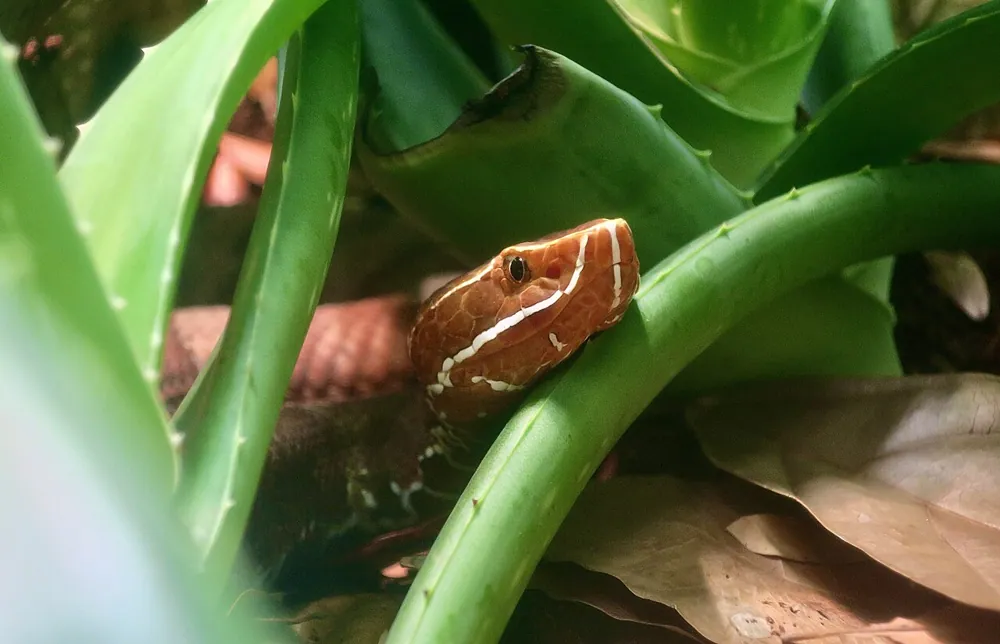
ກັດCastellana is a rare pit viper, a venomous snake that lives in dry forests on the Pacific side of Central America. It is a stout, medium-sized snake. Scientists know little about its bites, but lab tests suggest its venom is highly toxic.1



 ວິທີສັງເກດມັນ
- A stout, medium-sized snake, up to 96 cm long including the tail.1
- Light to medium reddish-brown body with broad brown crossbands: 10 to 14 in males and 13 to 17 in females.1
- Two pale stripes on each side of the head.1
- Chin and throat are orange or orange-brown, lighter than the belly.1
- Large adult males are often very dark. Young snakes are paler, sometimes bright red.1
ມັກສັບສົນກັບ: Copperheads lack the two pale stripes on each side of the face, and cottonmouths lack the loreal scale (a small scale between the eye and nostril). Other cantils have a lower face stripe that runs straight and unbroken, while in this species it dips below the pit.1
ພະລັງພິດ
ພິດອອກມາທາງເຂ້ຍ ຫຼື ແຂ້ວຂອງມັນ ເວລາມັນກັດ
ພິດທີ່ມັນປ່ອຍອອກມາເຮັດຫຍັງ?
Lab tests suggest the venom is highly toxic and similar to that of its close relative Agkistrodon bilineatus, and potentially lethal. No clinical reports of bites had been published as of 1999, so the effects on people are not well documented.1
ມັນອັນຕະລາຍຕໍ່ຄົນປານໃດ?
ອັນຕະລາຍຕໍ່ຄົນ: ອັນຕະລາຍຫຼາຍມັນເຮັດໃຫ້ຄົນທີ່ບໍ່ໄດ້ຮັບການປິ່ນປົວເສຍຊີວິດໄດ້No clinical reports of bites had been published as of 1999, so there is little human data on its danger. Lab analysis suggests the venom could be lethal.1
 ຖ້າມັນກັດ
- ໃຫ້ຜູ້ປ່ວຍຢູ່ນິ້ງໆ ແລະ ໃຈເຢັນ, ໃຫ້ແຂນ ຫຼື ຂາທີ່ຖືກກັດຢູ່ລະດັບດຽວກັບຫົວໃຈ, ຖອດແຫວນ ແລະ ສິ່ງທີ່ຮັດແໜ້ນອອກ, ແລະ ໄປໂຮງໝໍໃຫ້ໄວ
ໂທຫາເບີສຸກເສີນກ່ອນສະເໝີ (112, 000, 911) ນີ້ແມ່ນຄຳແນະນຳການປະຖົມພະຍາບານທົ່ວໄປ, ບໍ່ແມ່ນຄຳແນະນຳທາງການແພດ ພື້ນຖານການປະຖົມພະຍາບານ
 ຢູ່ຢ່າງປອດໄພ
- ຢ່າຈັບ, ຢ່າຈັບເອົາ ຫຼື ຢ່າຫຍອກສັດປ່າເດັດຂາດ, ເຖິງແມ່ນມັນໂຕນ້ອຍ ແລະ ເຖິງແມ່ນມັນເບິ່ງຄືນອນຫຼັບ ຫຼື ຕາຍແລ້ວ
- ໃຫ້ພື້ນທີ່ມັນ ຖ້າເຈົ້າພົບມັນ, ໃຈເຢັນໄວ້, ຖອຍຫຼັງຊ້າໆ ແລະ ປ່ອຍໃຫ້ມັນໄປທາງຂອງມັນ
- ຖ້າມີໂຕໃດກັດເຈົ້າ: ໃຈເຢັນໄວ້, ຢູ່ນິ້ງໆ, ໂທຫາເບີສຸກເສີນ (112, 000, 911) ຫຼື ໄປໂຮງໝໍໃຫ້ໄວ ຈື່ໄວ້ວ່າມັນມີລັກສະນະແນວໃດ, ຮູບຖ່າຍຊ່ວຍໄດ້
ມັນບໍ່ໄດ້ຢາກທຳຮ້າຍເຈົ້າ ມັນໃຊ້ພິດເພື່ອຈັບອາຫານ ຫຼື ເພື່ອປ້ອງກັນຕົວ, ແລະ ມັນມັກລີ້ຫຼາຍກວ່າ ເພີ່ມເຕີມກ່ຽວກັບການຢູ່ຢ່າງປອດໄພ
ມັນໃຫຍ່ປານໃດ?
ມັນຍາວປານໃດ?
 ຍາວເທົ່າແມວບ້ານ 2 ໂຕຕໍ່ດັງຕໍ່ຫາງ
 ຍາວເທົ່າກ້ວຍ 5 ໜ່ວຍຕໍ່ກັນ
 ແລ່ນ 100 ແມັດໄດ້ໃນ 100 ວິນາທີ (ຄົນທີ່ໄວທີ່ສຸດໃຊ້ 9.6)
Castellana ໃຫຍ່ປານໃດ ເມື່ອທຽບກັບເຈົ້າ?
ພຽງແຕ່ຄິດໄລ່ໃນບຣາວເຊີຂອງເຈົ້າ ບໍ່ມີຫຍັງຖືກບັນທຶກ ຫຼື ສົ່ງໄປບ່ອນໃດ
ມັນໄວປານໃດ?


ຂໍ້ມູນ
Its diet changes as it grows: young snakes eat cold-blooded prey such as frogs and lizards, while adults eat warm-blooded prey such as mice and rats.1
It is a rare snake, found only along a narrow strip of lowland less than 400 km long.1
In the 1990s, searches in the Gulf of Fonseca area of Honduras found very few, or possibly no, snakes.1
ສຳລັບຜູ້ຊ່ຽວຊານດ້ານພິດ
- ຊື່ວິທະຍາສາດ
- Agkistrodon howardgloydi
- ກຸ່ມ
- ງູພິດໄວເປີ (ມີຮູຮັບຄວາມຮ້ອນ)
- ຄອບຄົວ
- Viperidae2
- ອັນດັບ
- Squamata
- ທະວີບຕ່າງໆ
- ອາເມລິກາເໜືອ
- ລູກສັດ
- It gives birth to live young (viviparous), with females giving birth in the rainy season from May to August.1
- ສະຖານະຂອງມັນໃນທຳມະຊາດ
- Endangered (2013 assessment, which has no political or legal standing)1
- ອັນຕະລາຍຕໍ່ຄົນ
- 4 / 5: ອັນຕະລາຍຫຼາຍ3
ຂໍ້ມູນມາຈາກໃສ
- Agkistrodon howardgloydi (Wikipedia (CC BY-SA 4.0))
- Agkistrodon howardgloydi (iNaturalist): ຊື່ ແລະ ການຈັດໝວດໝູ່
- Venom Wiki: ລະດັບອັນຕະລາຍ, ຂະໜາດທົ່ວໄປ ແລະ ຄວາມໄວທີ່ຄາດຄະເນ ແມ່ນຂອງພວກເຮົາເອງ ເບິ່ງວ່າພວກເຮົາຄິດໄລ່ແນວໃດ: ພວກເຮົາໃຫ້ຄະແນນອັນຕະລາຍແນວໃດ.
ທຸກຂໍ້ມູນໃນໜ້ານີ້ມີຕົວເລກທີ່ຊີ້ໄປຫາແຫຼ່ງທີ່ມາ ຖ້າພວກເຮົາຜິດພາດ, ຂໍໂທດເດີ້, ພວກເຮົາເປັນຄົນມັກສັດ ບໍ່ແມ່ນວາລະສານວິທະຍາສາດ ບອກພວກເຮົາທີ່ [email protected] ແລ້ວພວກເຮົາຈະແກ້ໄຂ
 ແມງເງົາຫິວແລ້ວ! Venom Wiki ເປັນໂຄງການຂອງຄົນຄົນດຽວ: ຟຣີ, ບໍ່ມີໂຄສະນາ ແລະ ບໍ່ມີຕົວຕິດຕາມ ທິບນ້ອຍໆຊ່ວຍໃຫ້ມັນຢູ່ອອນລາຍຕໍ່ໄປໄດ້ໃຫ້ອາຫານແມງເງົາ
ເພີ່ມເຕີມຈາກກຸ່ມດຽວກັນ: ງູພິດໄວເປີ (ມີຮູຮັບຄວາມຮ້ອນ)
 Terciopeloງູພິດໄວເປີ (ມີຮູຮັບຄວາມຮ້ອນ)ເຖິງຕາຍ
 Eyelash viperງູພິດໄວເປີ (ມີຮູຮັບຄວາມຮ້ອນ)ເຖິງຕາຍໄດ້
 Cottonmouthງູພິດໄວເປີ (ມີຮູຮັບຄວາມຮ້ອນ)ຕ້ອງໄປຫາໝໍ
 Eastern copperheadງູພິດໄວເປີ (ມີຮູຮັບຄວາມຮ້ອນ)ຕ້ອງໄປຫາໝໍ
 Cantilງູພິດໄວເປີ (ມີຮູຮັບຄວາມຮ້ອນ)ເຖິງຕາຍໄດ້
 Central American bushmasterງູພິດໄວເປີ (ມີຮູຮັບຄວາມຮ້ອນ)ເຖິງຕາຍໄດ້
 Eastern coral snake
 Eastern diamondback rattlesnake
 Timber rattlesnake
 Western diamondback rattlesnake
 Arizona bark scorpion
 Brown recluse