
 ອາຟຣິກາ
 ອາຊີ
ອາຊີ ເອີຣົບ
 ອາເມລິກາໃຕ້
 ອົດສະຕຣາລີ ແລະ ໂອເຊຍເນຍ
 ແອນຕາກຕິກາ
 ມະຫາສະໝຸດປາຊີຟິກ
 ມະຫາສະໝຸດອັດລັງຕິກ
 ມະຫາສະໝຸດອິນເດຍ
 ມະຫາສະໝຸດອາກຕິກ
 ທະເລເມດິເຕີເຣນຽນ
 ທະເລແດງ
 ທະເລຄາຣິບບຽນ
 ທະເລຄໍຣັລ
 ທະເລຈີນໃຕ້
 ທະເລຟິລິບປິນ
 ທະເລອັນດາມັນ
 ທະເລເໜືອ
 ທະເລຕີມໍ ແລະ ທະເລອາຣາຟູຣາ
 ອ່າວເບັງກອນ
 ອ່າວແຄລິຟໍເນຍ
Fen raft spider
 ກັດ
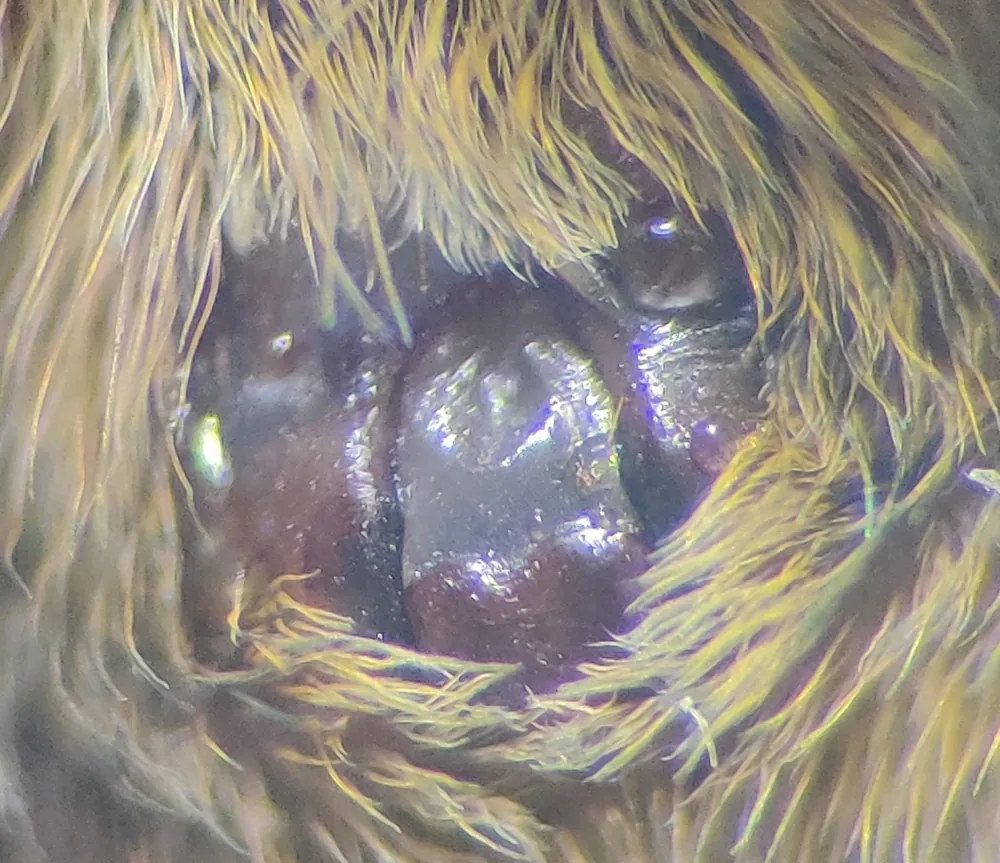
ກັດThe fen raft spider is a large spider that lives on the edges of still, slow-moving water in Europe. It hunts from plants at the water's edge and can even run across the surface of a pond. It is rare, and it is protected in many places.1


 ວິທີສັງເກດມັນ
- It is a large spider within its range. Adult females have bodies slightly over 2 cm long and a leg span of about 7 cm.1
- It is usually black or brown, with white or cream stripes along the sides of the body.1
- It is often found sitting on plant stems at the water's edge, with its back legs on a stem and its front legs on the water.1
ມັກສັບສົນກັບ: It is very similar in appearance to the closely related raft spider, Dolomedes fimbriatus, and the two are often misidentified. Identification can be difficult.1
ພະລັງພິດ
ພິດອອກມາທາງເຂ້ຍ ຫຼື ແຂ້ວຂອງມັນ ເວລາມັນກັດ
ມັນອັນຕະລາຍຕໍ່ຄົນປານໃດ?
ອັນຕະລາຍຕໍ່ຄົນ: ເລັກນ້ອຍຄືກັບເຜິ້ງຕອດ ຫຼື ໜ້ອຍກວ່າ ເກືອບບໍ່ເປັນອັນຕະລາຍຕໍ່ຄົນ ຖ້າມັນກັດ
- ລ້າງບ່ອນຖືກກັດ ແລະ ປະຄົບດ້ວຍຖົງນ້ຳກ້ອນເພື່ອບັນເທົາຄວາມເຈັບ ໄປຫາໝໍຖ້າເຈັບຫຼາຍ, ຄວາມເຈັບລາມອອກໄປ ຫຼື ຜູ້ປ່ວຍຮູ້ສຶກບໍ່ສະບາຍ
ໂທຫາເບີສຸກເສີນກ່ອນສະເໝີ (112, 000, 911) ນີ້ແມ່ນຄຳແນະນຳການປະຖົມພະຍາບານທົ່ວໄປ, ບໍ່ແມ່ນຄຳແນະນຳທາງການແພດ ພື້ນຖານການປະຖົມພະຍາບານ
 ຢູ່ຢ່າງປອດໄພ
- ຢ່າຈັບ, ຢ່າຈັບເອົາ ຫຼື ຢ່າຫຍອກສັດປ່າເດັດຂາດ, ເຖິງແມ່ນມັນໂຕນ້ອຍ ແລະ ເຖິງແມ່ນມັນເບິ່ງຄືນອນຫຼັບ ຫຼື ຕາຍແລ້ວ
- ໃຫ້ພື້ນທີ່ມັນ ຖ້າເຈົ້າພົບມັນ, ໃຈເຢັນໄວ້, ຖອຍຫຼັງຊ້າໆ ແລະ ປ່ອຍໃຫ້ມັນໄປທາງຂອງມັນ
- ຖ້າມີໂຕໃດກັດເຈົ້າ: ໃຈເຢັນໄວ້, ຢູ່ນິ້ງໆ, ໂທຫາເບີສຸກເສີນ (112, 000, 911) ຫຼື ໄປໂຮງໝໍໃຫ້ໄວ ຈື່ໄວ້ວ່າມັນມີລັກສະນະແນວໃດ, ຮູບຖ່າຍຊ່ວຍໄດ້
ມັນບໍ່ໄດ້ຢາກທຳຮ້າຍເຈົ້າ ມັນໃຊ້ພິດເພື່ອຈັບອາຫານ ຫຼື ເພື່ອປ້ອງກັນຕົວ, ແລະ ມັນມັກລີ້ຫຼາຍກວ່າ ເພີ່ມເຕີມກ່ຽວກັບການຢູ່ຢ່າງປອດໄພ
ມັນໃຫຍ່ປານໃດ?
ມັນຍາວປານໃດ?
 ຍາວເທົ່າຕັນຕໍ່ເຄື່ອງຫຼິ້ນ 2 ອັນລຽງກັນ
 ແລ່ນ 100 ແມັດໄດ້ໃນ 280 ວິນາທີ (ຄົນທີ່ໄວທີ່ສຸດໃຊ້ 9.6)
Fen raft spider ໃຫຍ່ປານໃດ ເມື່ອທຽບກັບເຈົ້າ?
ພຽງແຕ່ຄິດໄລ່ໃນບຣາວເຊີຂອງເຈົ້າ ບໍ່ມີຫຍັງຖືກບັນທຶກ ຫຼື ສົ່ງໄປບ່ອນໃດ
ມັນໄວປານໃດ?


ຂໍ້ມູນ
It can run across the surface of water by using surface tension, the force that keeps the water's skin intact.1
It can also hunt underwater by running down plant stems, and it can use this route to escape predators.1
It detects prey using sensory hairs on its legs, which pick up the vibrations made when prey hits the water.1
Before hatching, the female builds a tent-like nursery web on plants above the water, where she guards the young.1
In 2010, around 1,600 hand-reared spiderlings were released at a new UK site, which were fed on fruit flies.1
Males mate early in the season and most die by late July. Females survive until the end of summer.1
ສຳລັບຜູ້ຊ່ຽວຊານດ້ານພິດ
- ຊື່ວິທະຍາສາດ
- Dolomedes plantarius
- ກຸ່ມ
- ແມງມຸມ
- ຄອບຄົວ
- Dolomedidae2
- ອັນດັບ
- Araneae
- ທະວີບຕ່າງໆ
- ເອີຣົບ
- ລູກສັດ
- The female lays several hundred eggs in a silk sac about 10 mm across, which she carries under her body for around three weeks.1
- ອາຍຸຂັຍ
- ປະມານ 2,5 ປີ1
- ສະຖານະຂອງມັນໃນທຳມະຊາດ
- Vulnerable (IUCN Red List). In the UK it is Nationally Rare and protected by law.1
- ອັນຕະລາຍຕໍ່ຄົນ
- 1 / 5: ເລັກນ້ອຍ3
ຂໍ້ມູນມາຈາກໃສ
- Great raft spider (Wikipedia (CC BY-SA 4.0))
- Dolomedes plantarius (iNaturalist): ຊື່ ແລະ ການຈັດໝວດໝູ່
- Venom Wiki: ລະດັບອັນຕະລາຍ, ຂະໜາດທົ່ວໄປ ແລະ ຄວາມໄວທີ່ຄາດຄະເນ ແມ່ນຂອງພວກເຮົາເອງ ເບິ່ງວ່າພວກເຮົາຄິດໄລ່ແນວໃດ: ພວກເຮົາໃຫ້ຄະແນນອັນຕະລາຍແນວໃດ.
ທຸກຂໍ້ມູນໃນໜ້ານີ້ມີຕົວເລກທີ່ຊີ້ໄປຫາແຫຼ່ງທີ່ມາ ຖ້າພວກເຮົາຜິດພາດ, ຂໍໂທດເດີ້, ພວກເຮົາເປັນຄົນມັກສັດ ບໍ່ແມ່ນວາລະສານວິທະຍາສາດ ບອກພວກເຮົາທີ່ [email protected] ແລ້ວພວກເຮົາຈະແກ້ໄຂ
 ແມງເງົາຫິວແລ້ວ! Venom Wiki ເປັນໂຄງການຂອງຄົນຄົນດຽວ: ຟຣີ, ບໍ່ມີໂຄສະນາ ແລະ ບໍ່ມີຕົວຕິດຕາມ ທິບນ້ອຍໆຊ່ວຍໃຫ້ມັນຢູ່ອອນລາຍຕໍ່ໄປໄດ້ໃຫ້ອາຫານແມງເງົາ
 Mediterranean black widow
 Diving bell spider
 European yellow sac spider
 Noble false widow
 Tarantula wolf spider
 Daddy long-legs spider
 Common European adder
 Spanish fly
 Common wasp
 European hornet
 Fire salamander
 Western honey bee