
 ອາຟຣິກາ
 ອາຊີ
ອາຊີ ເອີຣົບ
 ອາເມລິກາໃຕ້
 ອົດສະຕຣາລີ ແລະ ໂອເຊຍເນຍ
 ແອນຕາກຕິກາ
 ມະຫາສະໝຸດປາຊີຟິກ
 ມະຫາສະໝຸດອັດລັງຕິກ
 ມະຫາສະໝຸດອິນເດຍ
 ມະຫາສະໝຸດອາກຕິກ
 ທະເລເມດິເຕີເຣນຽນ
 ທະເລແດງ
 ທະເລຄາຣິບບຽນ
 ທະເລຄໍຣັລ
 ທະເລຈີນໃຕ້
 ທະເລຟິລິບປິນ
 ທະເລອັນດາມັນ
 ທະເລເໜືອ
 ທະເລຕີມໍ ແລະ ທະເລອາຣາຟູຣາ
 ອ່າວເບັງກອນ
 ອ່າວແຄລິຟໍເນຍ
Pine processionary
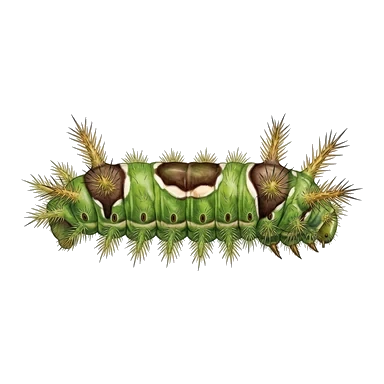 ຂົນພິດ
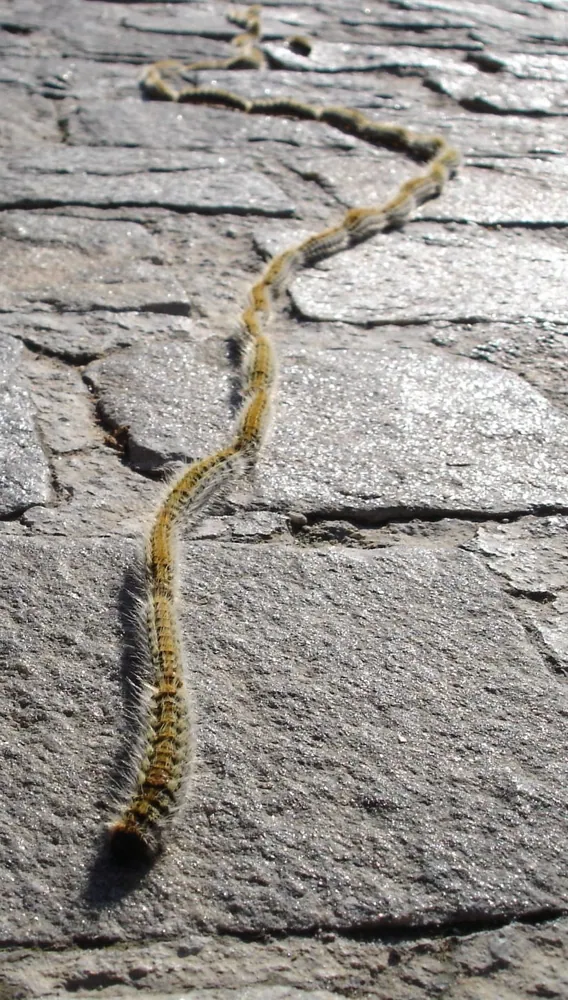
The pine processionary is a moth whose caterpillars are famous for marching in long, nose-to-tail lines through pine woods. Their hairs cause painful rashes and eye irritation, and they can strip the needles from whole trees. It lives around the Mediterranean and is spreading north.1
 ວິທີສັງເກດມັນ
- Caterpillars are orange-brown and hairy, with blue bands.1
- Large silken nests in pine trees, often with several in one tree and signs of stripped needles.1
- Caterpillars move in single-file processions, usually at night and when leaving the tree to pupate.1
- Adults have predominantly light brown forewings with brown markings and white hindwings.1
- Adult males have a crescent marking on the wings and are larger than the oak processionary.1
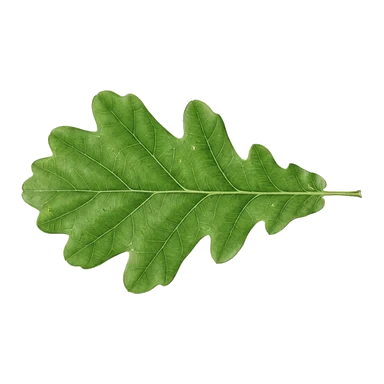
ມັກສັບສົນກັບ: The oak processionary (Thaumetopoea processionea) is smaller as an adult, has an indistinct wing marking rather than a crescent, and lives in broad-leaved rather than coniferous forests. The pale eggar moth has no crescent marking on its wings.1
ພະລັງພິດ
ຂົນນ້ອຍໆ ຫຼື ຂົນແຂງຫັກຄາຢູ່ໃນຜິວໜັງ ແລະ ເຮັດໃຫ້ແສບ
ພິດທີ່ມັນປ່ອຍອອກມາເຮັດຫຍັງ?
The species is not venomous. Its caterpillars have hairs containing an irritant chemical called thaumetopoein, which causes skin rashes (urticaria) and eye irritation on contact. Some people may have an allergic reaction. The hairs of fifth-stage larvae can also break off and spread across nearby exposed skin.1
ມັນອັນຕະລາຍຕໍ່ຄົນປານໃດ?
ອັນຕະລາຍຕໍ່ຄົນ: ເຈັບມັນເຈັບຫຼາຍແທ້, ແຕ່ເກືອບບໍ່ເຄີຍຮ້າຍແຮງSimple contact with the caterpillar hairs can cause severe rashes and eye irritation in humans and other mammals. Some individuals may have an allergic reaction.1
ມັນເຮັດແນວໃດເວລາມັນຢ້ານ?
When stressed or threatened, fifth-stage caterpillars eject harpoon-shaped hairs that irritate any exposed skin nearby.1
 ຖ້າເຈົ້າໄປຈັບຂົນຂອງມັນ
- ສຳລັບຂົນພິດຂອງບົ້ງ: ໃຊ້ສະກອດເທບຕິດຂົນອອກ, ແລ້ວລ້າງຜິວໜັງ ຢ່າຖູ
- ສຳລັບການຖືກກັດ: ລ້າງ ແລະ ເຮັດໃຫ້ເຢັນ ຂໍຄວາມຊ່ວຍເຫຼືອທາງການແພດຖ້າຜູ້ປ່ວຍຮູ້ສຶກບໍ່ສະບາຍ ຫຼື ເລືອດອອກງ່າຍ
ໂທຫາເບີສຸກເສີນກ່ອນສະເໝີ (112, 000, 911) ນີ້ແມ່ນຄຳແນະນຳການປະຖົມພະຍາບານທົ່ວໄປ, ບໍ່ແມ່ນຄຳແນະນຳທາງການແພດ ພື້ນຖານການປະຖົມພະຍາບານ
 ຢູ່ຢ່າງປອດໄພ
- ຢ່າຈັບ, ຢ່າຈັບເອົາ ຫຼື ຢ່າຫຍອກສັດປ່າເດັດຂາດ, ເຖິງແມ່ນມັນໂຕນ້ອຍ ແລະ ເຖິງແມ່ນມັນເບິ່ງຄືນອນຫຼັບ ຫຼື ຕາຍແລ້ວ
- ໃຫ້ພື້ນທີ່ມັນ ຖ້າເຈົ້າພົບມັນ, ໃຈເຢັນໄວ້, ຖອຍຫຼັງຊ້າໆ ແລະ ປ່ອຍໃຫ້ມັນໄປທາງຂອງມັນ
- ຖ້າເຈົ້າໄປຈັບຂົນຂອງມັນ: ໃຈເຢັນໄວ້, ຢູ່ນິ້ງໆ, ໂທຫາເບີສຸກເສີນ (112, 000, 911) ຫຼື ໄປໂຮງໝໍໃຫ້ໄວ ຈື່ໄວ້ວ່າມັນມີລັກສະນະແນວໃດ, ຮູບຖ່າຍຊ່ວຍໄດ້
ມັນບໍ່ໄດ້ຢາກທຳຮ້າຍເຈົ້າ ມັນໃຊ້ພິດເພື່ອຈັບອາຫານ ຫຼື ເພື່ອປ້ອງກັນຕົວ, ແລະ ມັນມັກລີ້ຫຼາຍກວ່າ ເພີ່ມເຕີມກ່ຽວກັບການຢູ່ຢ່າງປອດໄພ
ມັນໃຫຍ່ປານໃດ?
ມັນຍາວປານໃດ?
 ຍາວປະມານຄລິບໜີບເຈ້ຍອັນໜຶ່ງ
 ຊ້າກວ່າຫອຍທາກໃນສວນ
Pine processionary ໃຫຍ່ປານໃດ ເມື່ອທຽບກັບເຈົ້າ?
ພຽງແຕ່ຄິດໄລ່ໃນບຣາວເຊີຂອງເຈົ້າ ບໍ່ມີຫຍັງຖືກບັນທຶກ ຫຼື ສົ່ງໄປບ່ອນໃດ
ມັນໄວປານໃດ?

ຂໍ້ມູນ
Caterpillars in a procession hold together through touch from the caterpillar in front, which takes priority over the trail pheromone or silk.1
The caterpillars are one of the few temperate-zone insects whose larvae develop through the winter, living in silk nests high in pine trees.1
Adults live for only a single day, during which they mate and lay eggs.1
The Greek physician Dioscorides described the itching caused by this caterpillar in the 1st century AD, and Pliny the Elder recorded a treatment for it.1
Outbreaks are somewhat cyclical, with a period of 7 to 9 years.1
ນັກລົບລ້າງຄວາມເຊື່ອຜິດໆ
ຄວາມເຊື່ອຜິດໆ: Fabre's caterpillars marched in a circle around a flower pot only because they were trapped on its rim.
ຄວາມຈິງ: Young caterpillars' circular trails continue for as long as 12 hours even when they are free on a flat surface.1
ສຳລັບຜູ້ຊ່ຽວຊານດ້ານພິດ
- ຊື່ວິທະຍາສາດ
- Thaumetopoea pityocampa
- ກຸ່ມ
- ບົ້ງ ແລະ ແມງໄມ້
- ຄອບຄົວ
- Notodontidae2
- ອັນດັບ
- Lepidoptera
- ທະວີບຕ່າງໆ
- ເອີຣົບ, ອາຟຣິກາ, ອາຊີ
- ລູກສັດ
- Each female lays an enormous number of eggs near the tops of pine trees, in cylindrical egg masses 4 to 5 cm long covered with scales that mimic pine shoots.1
- ອັນຕະລາຍຕໍ່ຄົນ
- 2 / 5: ເຈັບ3
ຂໍ້ມູນມາຈາກໃສ
- Pine processionary (Wikipedia (CC BY-SA 4.0))
- Thaumetopoea pityocampa (iNaturalist): ຊື່ ແລະ ການຈັດໝວດໝູ່
- Venom Wiki: ລະດັບອັນຕະລາຍ, ຂະໜາດທົ່ວໄປ ແລະ ຄວາມໄວທີ່ຄາດຄະເນ ແມ່ນຂອງພວກເຮົາເອງ ເບິ່ງວ່າພວກເຮົາຄິດໄລ່ແນວໃດ: ພວກເຮົາໃຫ້ຄະແນນອັນຕະລາຍແນວໃດ.
ທຸກຂໍ້ມູນໃນໜ້ານີ້ມີຕົວເລກທີ່ຊີ້ໄປຫາແຫຼ່ງທີ່ມາ ຖ້າພວກເຮົາຜິດພາດ, ຂໍໂທດເດີ້, ພວກເຮົາເປັນຄົນມັກສັດ ບໍ່ແມ່ນວາລະສານວິທະຍາສາດ ບອກພວກເຮົາທີ່ [email protected] ແລ້ວພວກເຮົາຈະແກ້ໄຂ
 ແມງເງົາຫິວແລ້ວ! Venom Wiki ເປັນໂຄງການຂອງຄົນຄົນດຽວ: ຟຣີ, ບໍ່ມີໂຄສະນາ ແລະ ບໍ່ມີຕົວຕິດຕາມ ທິບນ້ອຍໆຊ່ວຍໃຫ້ມັນຢູ່ອອນລາຍຕໍ່ໄປໄດ້ໃຫ້ອາຫານແມງເງົາ
ເພີ່ມເຕີມຈາກກຸ່ມດຽວກັນ: ບົ້ງ ແລະ ແມງໄມ້
 Oak processionaryບົ້ງ ແລະ ແມງໄມ້ພຽງແຕ່ເຈັບຫ້າມຈັບ
 White-spotted assassin bugບົ້ງ ແລະ ແມງໄມ້ພຽງແຕ່ເຈັບ
 Common bombardier beetleບົ້ງ ແລະ ແມງໄມ້ບໍ່ມີອັນຕະລາຍ
 Asian giant water bugບົ້ງ ແລະ ແມງໄມ້ພຽງແຕ່ເຈັບ
 Blue-striped nettle grubບົ້ງ ແລະ ແມງໄມ້ພຽງແຕ່ເຈັບຫ້າມຈັບ
 Brown-tail mothບົ້ງ ແລະ ແມງໄມ້ພຽງແຕ່ເຈັບຫ້າມຈັບ
 Common European adder
 Spanish fly
 Common wasp
 European hornet
 Fire salamander
 Western honey bee