
 Āfrika
 Āzija
Āzija Eiropa
 Dienvidamerika
 Austrālija un Okeānija
 Antarktīda
 Klusais okeāns
 Atlantijas okeāns
 Indijas okeāns
 Ziemeļu Ledus okeāns
 Vidusjūra
 Sarkanā jūra
 Karību jūra
 Koraļļu jūra
 Dienvidķīnas jūra
 Filipīnu jūra
 Andamanu jūra
 Ziemeļjūra
 Timoras jūra un Arafuras jūra
 Bengālijas līcis
 Kalifornijas līcis
Eastern white-tailed spider
 Kodumi
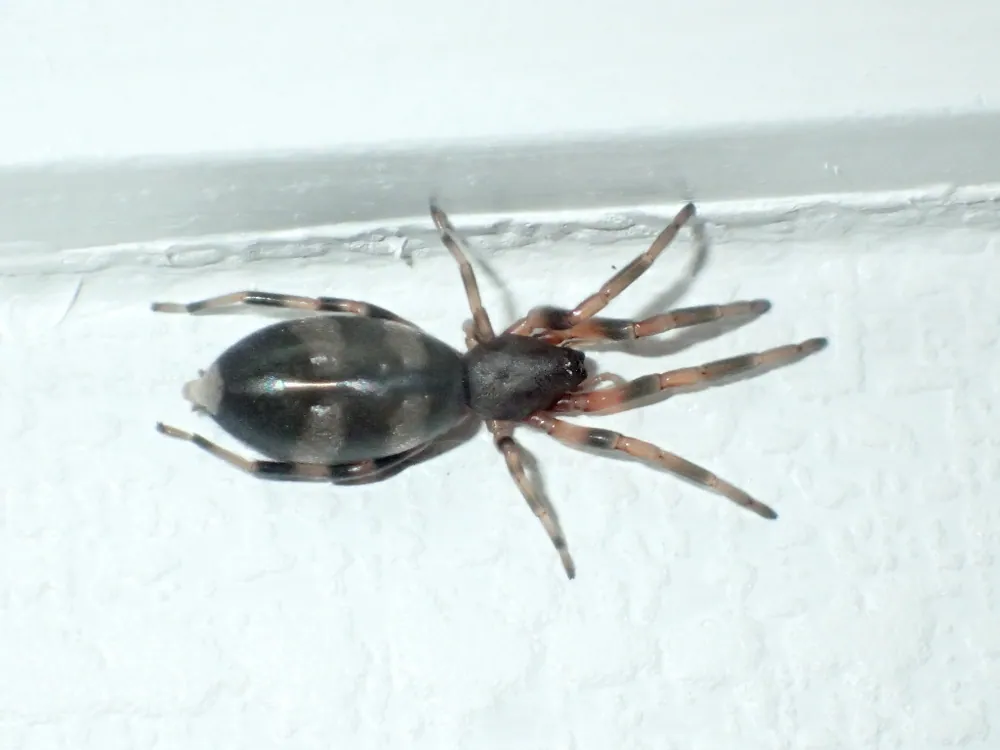
The Eastern white-tailed spider is a slender hunting spider from southern and eastern Australia. It has also spread to New Zealand. It does not spin a web. Instead, it roams, mostly at night, hunting other spiders.1

 Kā to atpazīt
- Slender, cigar-shaped body that is dark reddish to grey.1
- Dark orange-brown legs with bands.1
- Grey abdomen with two pairs of faint white spots.1
- Usually, but not always, a distinct white spot at the tip of the abdomen, just above the spinnerets.1
- Body length up to 18 mm, with a leg span of about 28 mm.1
Bieži jauc ar: Two common species, Lampona cylindrata and Lampona murina, look very similar and are not easily told apart without a microscope. The name 'white-tail' is also applied to several other spider species that have a white mark at the end of the abdomen.1
Indes spēks
Inde iznāk caur ilkņiem vai zobiem, kad tas iekož.
Ko nodara tā inde?
Their venom is used to subdue prey. In people, a bite usually causes a small red or discoloured bump, with pain, local swelling and itchiness. Rarely, it causes nausea, vomiting, malaise (a general feeling of being unwell) or headache. These symptoms are generally mild and resolve over time.1
Cik bīstams tas ir cilvēkiem?
Bīstamība cilvēkiem: SāpīgsTas var ļoti sāpēt, bet gandrīz nekad nav nopietni.Bites are reported in people, but studies found the effects are usually local and mild. A study of 130 confirmed bites found no necrotic ulcers (tissue death) and no confirmed infections. No deaths are mentioned.1
 Ja tas iekož
- Nomazgā kodumu un pret sāpēm uzliec ledus maisiņu. Meklē medicīnisko palīdzību, ja sāpes ir stipras, izplatās vai cilvēks jūtas slikti.
Vienmēr vispirms zvani uz savu ārkārtas numuru (112, 000, 911). Tie ir vispārīgi pirmās palīdzības padomi, nevis medicīniska konsultācija. Pirmās palīdzības pamati
 Esi drošībā
- Nekad neaiztiec, neķer un neķircini savvaļas dzīvnieku, pat mazu, un pat ja tas izskatās aizmidzis vai miris.
- Dod tam vietu. Ja tādu satiec, saglabā mieru, lēnām atkāpies un ļauj tam iet savu ceļu.
- Ja tāds tev iekož: saglabā mieru, nekusties, zvani uz savu ārkārtas numuru (112, 000, 911) vai ātri dodies uz slimnīcu. Atceries, kā tas izskatījās, foto palīdz.
Tas nav nolēmis tevi medīt. Tas izmanto indi, lai noķertu barību vai aizsargātos, un daudz labprātāk paslēptos. Vairāk par drošību
Cik tas ir liels?
Cik tas ir garš?
 īsāks par tavu mazo pirkstiņu
Cik liels ir Eastern white-tailed spider salīdzinājumā ar TEVI?
Tikai matemātika tavā pārlūkā. Nekas netiek saglabāts vai kaut kur nosūtīts.
Cik tas ir ātrs?


Fakti
The necrotic ulcers once blamed on these spiders were not confirmed. A scientific study found other causes, mostly infections.1
White-tailed spiders do not build webs. They hunt actively, often at night.1
The white tail marking remains into adulthood, while other markings fade with each moult.1
Many people think there is only one white-tailed spider species, but the two common species look so alike that more species may still be unidentified.1
Both common species have been introduced to New Zealand, where Lampona cylindrata has spread across the South Island since 1980.1
Mītu grāvējs
Mīts: White-tailed spider bites cause flesh-eating ulcers (necrosis).
Patiesība: A study of 130 confirmed bites found no necrotic ulcers or confirmed infections. Symptoms are usually mild, with a red mark, pain, swelling and itchiness.1
No kurienes nāk fakti
- White-tailed spider (Wikipedia (CC BY-SA 4.0))
- Lampona murina (iNaturalist): nosaukumi un klasifikācija.
- Venom Wiki: bīstamības līmenis, tipiskais izmērs un ātruma minējums ir mūsu pašu. Paskaties, kā mēs tos aprēķinām: Kā mēs vērtējam bīstamību.
Katram faktam šajā lapā ir numurs, kas norāda uz tā avotu. Ja mēs kaut ko esam sajaukuši, piedod, mēs esam dzīvnieku fani, nevis zinātnisks žurnāls. Uzraksti mums uz [email protected], un mēs to izlabosim.
 Skorpions ir izsalcis! Venom Wiki ir viena cilvēka projekts: bezmaksas, bez reklāmām un bez izsekotājiem. Neliels ziedojums palīdz to uzturēt tiešsaistē.Pabaro skorpionu
 Redback spider
 Katipo
 White-tailed spider
 Peacock spider
 Badge huntsman spider
 Black house spider
 Piekrastes taipans
 Parastā nāves odze
 Austrumu brūnā čūska
 Iekšzemes taipans
 Sidnejas piltuvtīklu zirneklis
 Tīģerčūska