
 Āfrika
 Āzija
Āzija Eiropa
 Dienvidamerika
 Austrālija un Okeānija
 Antarktīda
 Klusais okeāns
 Atlantijas okeāns
 Indijas okeāns
 Ziemeļu Ledus okeāns
 Vidusjūra
 Sarkanā jūra
 Karību jūra
 Koraļļu jūra
 Dienvidķīnas jūra
 Filipīnu jūra
 Andamanu jūra
 Ziemeļjūra
 Timoras jūra un Arafuras jūra
 Bengālijas līcis
 Kalifornijas līcis
Indochinese spitting cobra
 Šļāc vai spļauj
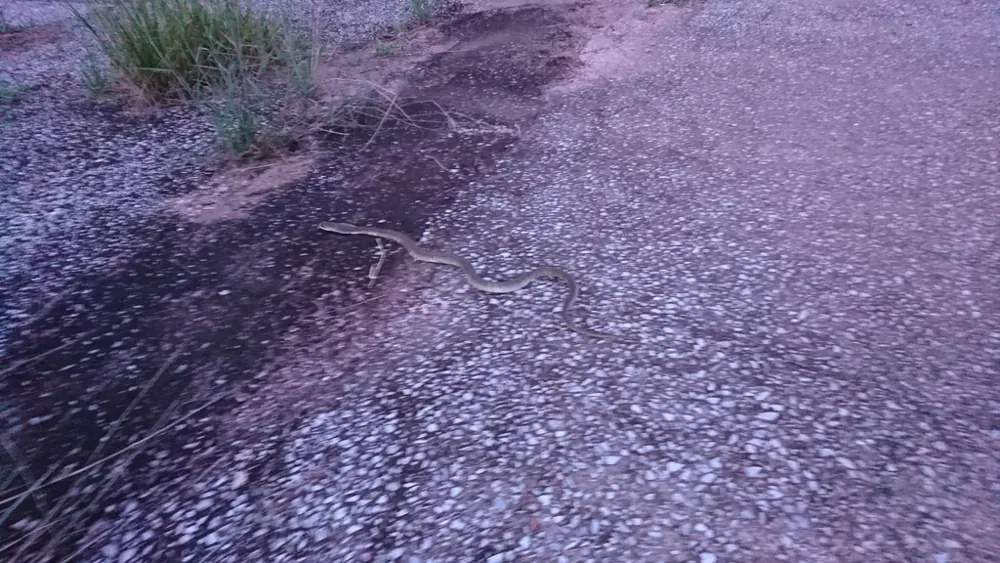
The Siamese spitting cobra is a medium-sized snake that can spray venom from a distance. It lives in Southeast Asia, including Thailand, Cambodia, Vietnam and Laos. It is special because it is a 'true spitter' that sprays venom into the face of a threat, and its bite can be dangerous to people.1



 Kā to atpazīt
- Body colour ranges from grey to brown to black, with white spots or stripes.1
- The black and white colour form is common in central Thailand. Snakes from western Thailand are mostly black, and those from elsewhere are usually brown.1
- The hood mark may be spectacle-shaped or irregular, or missing altogether, especially in adults.1
- It is medium-sized with a more slender build than most other cobras in the genus Naja.1
Bieži jauc ar: The monocled cobra (Naja kaouthia) has a similar habitat, size and appearance, so it is easy to confuse with this species. This species is a 'true spitter' that sprays a mist, rather than the stream that many other spitting cobras produce.1
Indes spēks
Tas uzbrucējiem šļāc vai spļauj dzeļošu šķidrumu.
Ko nodara tā inde?
Its venom is mainly a postsynaptic neurotoxin, which attacks the nerves, and a cytotoxin, which kills tissue. A bite causes pain, swelling and necrosis (death of tissue) around the wound. Neurotoxic effects can lead to paralysis and difficulty breathing. If venom is spat into the eyes, it causes immediate, severe pain and can cause temporary or sometimes permanent blindness.1
Cik bīstams tas ir cilvēkiem?
Bīstamība cilvēkiem: Ļoti bīstamsTas var nogalināt cilvēku, kurš nesaņem ārstēšanu.The bite is potentially lethal to an adult human. Deaths usually happen through paralysis and asphyxiation (suffocation), mainly in rural areas where antivenin is hard to obtain. In one Thai hospital survey, neurotoxic signs appeared in 12 of 114 cases (10.5%).1
 Labas ziņas: ārstiem pret šo ir zāles (pretinde) vai ārstēšana.1
Ko tas dara, kad ir nobijies?
At night it is aggressive: it stands its ground, rears up, displays its hood and spits venom, and it bites as a last resort. In daylight it is usually timid and seeks shelter in the nearest burrow.1
 Ja tas iekož vai spļauj
- Turi cilvēku nekustīgu un mierīgu, novelc gredzenus un visu, kas cieši spiež, un ātri nogādā slimnīcā: ārstē ar pretindi.
- Ja inde iespļauta acīs, nekavējoties skalo tās ar lielu daudzumu tīra ūdens.
Vienmēr vispirms zvani uz savu ārkārtas numuru (112, 000, 911). Tie ir vispārīgi pirmās palīdzības padomi, nevis medicīniska konsultācija. Pirmās palīdzības pamati
 Esi drošībā
- Nekad neaiztiec, neķer un neķircini savvaļas dzīvnieku, pat mazu, un pat ja tas izskatās aizmidzis vai miris.
- Dod tam vietu. Ja tādu satiec, saglabā mieru, lēnām atkāpies un ļauj tam iet savu ceļu.
- Ja tāds tev iekož vai iespļauj indi acīs: saglabā mieru, nekusties, zvani uz savu ārkārtas numuru (112, 000, 911) vai ātri dodies uz slimnīcu. Atceries, kā tas izskatījās, foto palīdz.
Tas nav nolēmis tevi medīt. Tas izmanto indi, lai noķertu barību vai aizsargātos, un daudz labprātāk paslēptos. Vairāk par drošību
Cik tas ir liels?
Cik tas ir garš?
Cik tas ir smags?
 tikpat garš kā 3 mājas kaķi no deguna līdz astei
 tikpat garš kā 9 banāni rindā viens aiz otra
 varētu noskriet 100 metrus 51 sekundēs (ātrākajam cilvēkam vajag 9,6)
Cik liels ir Indochinese spitting cobra salīdzinājumā ar TEVI?
Tikai matemātika tavā pārlūkā. Nekas netiek saglabāts vai kaut kur nosūtīts.
Cik tas ir ātrs?


Fakti
Some hatchlings are about 32 cm long, and they are venomous from the moment they hatch.1
Its reported spitting range is about 1 metre, the shortest of any spitting cobra, although one researcher reports it may reach about 2 metres in a stream.1
It has been reported in Taiwan, where it was released into the wild as part of folklore Buddhist practices.1
The black and white form is so distinctive that it is the best-known colour phase, especially in central Thailand.1
Mītu grāvējs
Mīts: It is the same animal as the monocled cobra or the Chinese cobra.
Patiesība: It was once confused with these snakes, but it has been confirmed as a distinct species.1
Indes ekspertiem
- Zinātniskais nosaukums
- Naja siamensis
- Grupa
- Kobras, mambas un kraiti
- Ģimene
- Elapidae2
- Secība
- Squamata
- Kontinenti
- Āzija
- Mazuļi
- It lays eggs. A female lays 13 to 19 eggs, which hatch after 48 to 70 days depending on temperature. Hatchlings are independent and already have working venom systems, so they should be treated with the same respect as adults.1
- Bīstamība cilvēkiem
- 4 / 5: Ļoti bīstams3
No kurienes nāk fakti
- Siamese spitting cobra (Wikipedia (CC BY-SA 4.0))
- Naja siamensis (iNaturalist): nosaukumi un klasifikācija.
- Venom Wiki: bīstamības līmenis, tipiskais izmērs un ātruma minējums ir mūsu pašu. Paskaties, kā mēs tos aprēķinām: Kā mēs vērtējam bīstamību.
Katram faktam šajā lapā ir numurs, kas norāda uz tā avotu. Ja mēs kaut ko esam sajaukuši, piedod, mēs esam dzīvnieku fani, nevis zinātnisks žurnāls. Uzraksti mums uz [email protected], un mēs to izlabosim.
 Skorpions ir izsalcis! Venom Wiki ir viena cilvēka projekts: bezmaksas, bez reklāmām un bez izsekotājiem. Neliels ziedojums palīdz to uzturēt tiešsaistē.Pabaro skorpionu
 Indijas kobra
 Karaliskā kobra
 Caspian cobra
 Common krait
 Malayan krait
 Many-banded krait
 Palestīnas dzeltenais skorpions
 Indijas zāģzvīņu odze
 Pūšodze
 Rasela odze
 Asian giant hornet
 Komodo dragon