
 Āfrika
 Āzija
Āzija Eiropa
 Dienvidamerika
 Austrālija un Okeānija
 Antarktīda
 Klusais okeāns
 Atlantijas okeāns
 Indijas okeāns
 Ziemeļu Ledus okeāns
 Vidusjūra
 Sarkanā jūra
 Karību jūra
 Koraļļu jūra
 Dienvidķīnas jūra
 Filipīnu jūra
 Andamanu jūra
 Ziemeļjūra
 Timoras jūra un Arafuras jūra
 Bengālijas līcis
 Kalifornijas līcis
Pygmy rattlesnake
 Kodumi
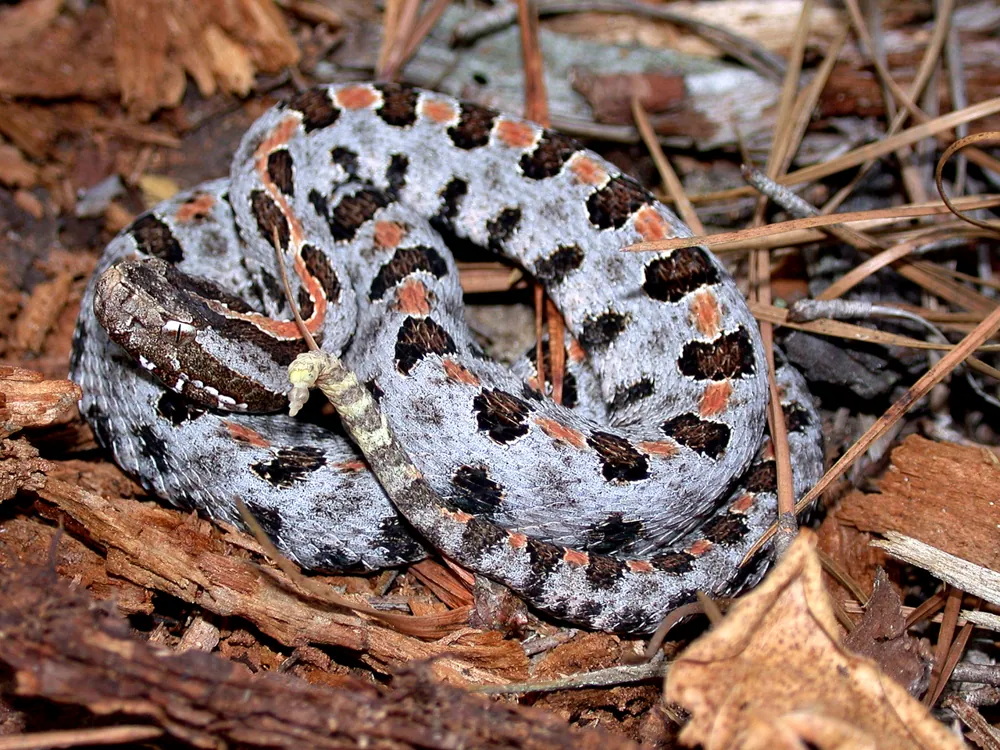
The pygmy rattlesnake is a small, venomous snake that lives in the southeastern United States. It is the smallest rattlesnake found on the North American continent. Its venom is strongly tissue-damaging, but the snake makes so little that a bite is unlikely to be fatal to an adult.1



 Kā to atpazīt
- Small but bulky in width, usually 40 to 60 cm long including the tail1
- Dorsal pattern of oval or roughly circular spots with somewhat regular edges1
- Flank spots are mostly round and not much taller than they are wide1
- Usually 23 rows of dorsal scales at midbody1
- Young snakes may be paler or more vividly marked, and have a yellow tail tip. The rattle is tiny and gives only a faint buzz that is heard from a few feet away1
Indes spēks
Inde iznāk caur ilkņiem vai zobiem, kad tas iekož.
Ko nodara tā inde?
Its venom is cytotoxic, which means it damages cells, and it is strongly haemorrhagic, which means it causes bleeding. The venom is tissue-toxic but contains no neurotoxins, which attack the nerves. The snake produces only a small amount of venom and contains substantial amounts of serotonin and related compounds.1
Cik bīstams tas ir cilvēkiem?
Bīstamība cilvēkiem: SāpīgsTas var ļoti sāpēt, bet gandrīz nekad nav nopietni.The snake produces too little venom to be likely to deliver a fatal bite to a human adult.1
Ko tas dara, kad ir nobijies?
Some individuals are very aggressive and strike furiously, while others are lethargic and do not rattle at all, and many are reluctant to bite.1
 Ja tas iekož
- Turi cilvēku nekustīgu un mierīgu, turi iekosto ekstremitāti sirds augstumā, novelc gredzenus un visu, kas cieši spiež, un ātri nogādā slimnīcā.
Vienmēr vispirms zvani uz savu ārkārtas numuru (112, 000, 911). Tie ir vispārīgi pirmās palīdzības padomi, nevis medicīniska konsultācija. Pirmās palīdzības pamati
 Esi drošībā
- Nekad neaiztiec, neķer un neķircini savvaļas dzīvnieku, pat mazu, un pat ja tas izskatās aizmidzis vai miris.
- Dod tam vietu. Ja tādu satiec, saglabā mieru, lēnām atkāpies un ļauj tam iet savu ceļu.
- Ja tāds tev iekož: saglabā mieru, nekusties, zvani uz savu ārkārtas numuru (112, 000, 911) vai ātri dodies uz slimnīcu. Atceries, kā tas izskatījās, foto palīdz.
Tas nav nolēmis tevi medīt. Tas izmanto indi, lai noķertu barību vai aizsargātos, un daudz labprātāk paslēptos. Vairāk par drošību
Cik tas ir liels?
Cik tas ir garš?
 tikpat garš kā 4 banāni rindā viens aiz otra
 varētu noskriet 100 metrus 110 sekundēs (ātrākajam cilvēkam vajag 9,6)
Cik liels ir Pygmy rattlesnake salīdzinājumā ar TEVI?
Tikai matemātika tavā pārlūkā. Nekas netiek saglabāts vai kaut kur nosūtīts.
Cik tas ir ātrs?


Fakti
Its venom was the basis for the drug eptifibatide, which is used to prevent clotting during a heart attack.1
It is the smallest rattlesnake found on the North American continent.1
Its rattle is unusually small, which may show the early stages of how rattles evolved.1
Snake fungal disease has risen sharply in pygmy rattlesnakes over the past decade and is a major cause of death, though some snakes have recovered in the field.1
Females may give birth to live young even while infected with snake fungal disease.1
Mītu grāvējs
Mīts: Its bite is deadly to people.
Patiesība: The snake makes so little venom that a bite is unlikely to be fatal to an adult human.1
Indes ekspertiem
No kurienes nāk fakti
- Sistrurus miliarius (Wikipedia (CC BY-SA 4.0))
- Sistrurus miliarius (iNaturalist): nosaukumi un klasifikācija.
- Venom Wiki: bīstamības līmenis, tipiskais izmērs un ātruma minējums ir mūsu pašu. Paskaties, kā mēs tos aprēķinām: Kā mēs vērtējam bīstamību.
Katram faktam šajā lapā ir numurs, kas norāda uz tā avotu. Ja mēs kaut ko esam sajaukuši, piedod, mēs esam dzīvnieku fani, nevis zinātnisks žurnāls. Uzraksti mums uz [email protected], un mēs to izlabosim.
 Skorpions ir izsalcis! Venom Wiki ir viena cilvēka projekts: bezmaksas, bez reklāmām un bez izsekotājiem. Neliels ziedojums palīdz to uzturēt tiešsaistē.Pabaro skorpionu
 Eastern diamondback rattlesnake
 Timber rattlesnake
 Western diamondback rattlesnake
 Sidewinder
 Mojave rattlesnake
 Aruba rattlesnake
 Terciopelo
 Eastern coral snake
 Eyelash viper
 Arizona bark scorpion
 Brown recluse
 Cane toad