
 Āfrika
 Āzija
Āzija Eiropa
 Dienvidamerika
 Austrālija un Okeānija
 Antarktīda
 Klusais okeāns
 Atlantijas okeāns
 Indijas okeāns
 Ziemeļu Ledus okeāns
 Vidusjūra
 Sarkanā jūra
 Karību jūra
 Koraļļu jūra
 Dienvidķīnas jūra
 Filipīnu jūra
 Andamanu jūra
 Ziemeļjūra
 Timoras jūra un Arafuras jūra
 Bengālijas līcis
 Kalifornijas līcis
Rough-skinned newt
 Inde ādā
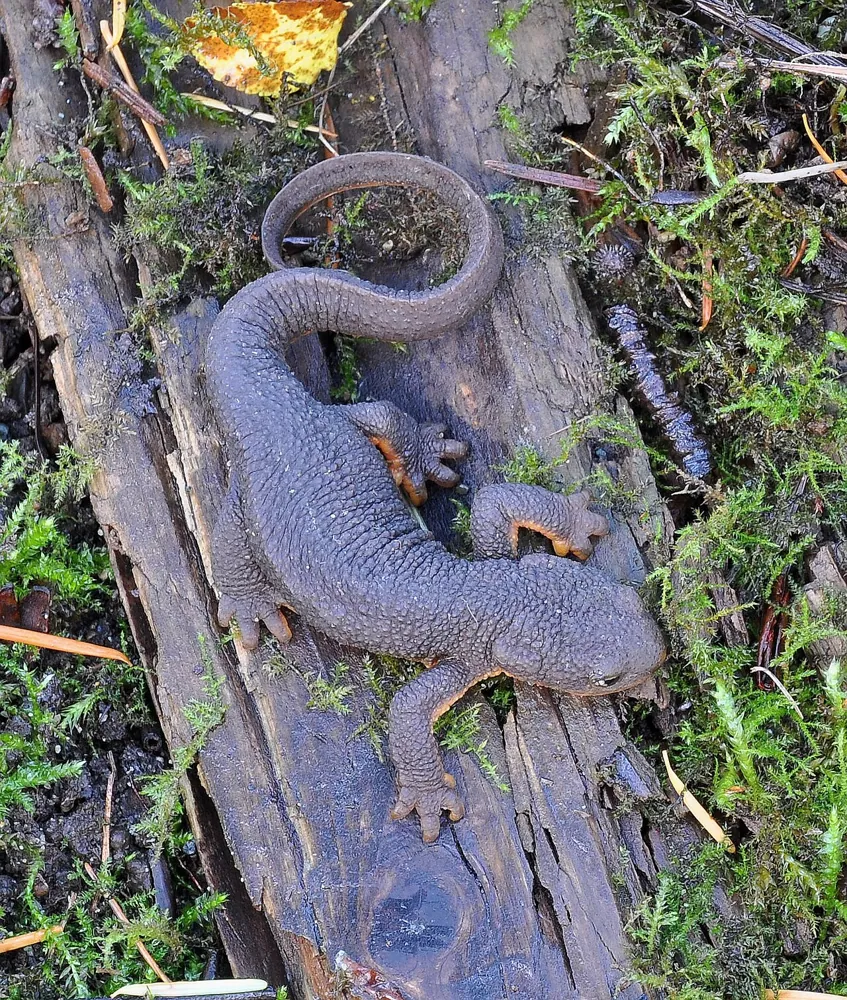
The rough-skinned newt is a small, stocky amphibian from the Pacific Northwest of North America. Its skin gives off one of the strongest toxins of any newt, so it is a creature to admire from a distance and never handle. Its toxin is also linked to a famous fight between newts and garter snakes.1
 Kā to atpazīt
- Stocky body with a rounded snout.1
- Top ranges from light brown to olive or brownish-black.1
- Underside, including the head, legs and tail, is orange to yellow.1
- Skin is granular, but males are smooth-skinned during the breeding season.1
- Adults are 11 to 18 cm long overall, including the tail.1
Bieži jauc ar: The California newt (Taricha torosa) looks similar. The rough-skinned newt has smaller eyes, yellow irises, V-shaped tooth patterns and uniformly dark eyelids. During breeding season, males have large swollen vent lobes and cornified toe pads, which separate them from females.1
Toksīnu spēks
Tā āda ir toksiska. To ir bīstami aizskart, laizīt vai ēst.
Ko nodara tā toksīni?
This animal is poisonous rather than venomous, so it does not bite or sting. Its skin produces tetrodotoxin (TTX), a neurotoxin that attacks the nerves. It blocks the sodium channels that nerves need to send signals. This can cause paralysis and death by asphyxiation, which means the person cannot breathe.1
Cik bīstams tas ir cilvēkiem?
Bīstamība cilvēkiem: Ļoti bīstamsTas var nogalināt cilvēku, kurš nesaņem ārstēšanu.The toxin is mainly dangerous if the newt is eaten. Some people have had skin irritation after handling the newt, especially if they touch their eyes without washing their hands first. In 1979, a 29-year-old man from Oregon died after eating one. Some newts make enough toxin to kill several adult humans.1
Ko tas dara, kad ir nobijies?
It gives off an acrid smell that warns animals to stay away.1
 Ja kāds tam pieskārās vai to apēda
- Ja kāds tam pieskārās: rūpīgi nomazgā rokas un neaiztiec acis vai muti. Ja bērns vai mājdzīvnieks to nolaizīja vai apēda: zvani uz saindēšanās centru vai ārkārtas numuru.
Vienmēr vispirms zvani uz savu ārkārtas numuru (112, 000, 911). Tie ir vispārīgi pirmās palīdzības padomi, nevis medicīniska konsultācija. Pirmās palīdzības pamati
 Esi drošībā
- Nekad neaiztiec, neķer un neķircini savvaļas dzīvnieku, pat mazu, un pat ja tas izskatās aizmidzis vai miris.
- Dod tam vietu. Ja tādu satiec, saglabā mieru, lēnām atkāpies un ļauj tam iet savu ceļu.
- Ja tu tam pieskāries vai to apēdi: neberzē acis vai muti, nomazgā rokas un meklē medicīnisko palīdzību.
Tas nav nolēmis tevi medīt. Tā inde ir tikai tāpēc, lai neviens to neapēstu. Vairāk par drošību
Cik tas ir liels?
Cik tas ir garš?
 tikpat garš kā 6 rotaļu klucīši rindā
Cik liels ir Rough-skinned newt salīdzinājumā ar TEVI?
Tikai matemātika tavā pārlūkā. Nekas netiek saglabāts vai kaut kur nosūtīts.
Cik tas ir ātrs?


Fakti
Some common garter snakes can eat rough-skinned newts and survive. They are the only known animals today able to do this.1
A garter snake tests a newt's toxin level by partly swallowing it, then either swallows it fully or lets it go.1
Newts can detect the chemical signature of a snake that has digested one of their kind, and they move away from it.1
The toxin is made by the newt's skin microbiome, meaning the bacteria living on its skin.1
The newt and the garter snake are an example of an evolutionary arms race. Each change in one species drives change in the other.1
The toxin also appears in pufferfish and other marine animals, which share the same nerve-blocking effect.1
Indes ekspertiem
No kurienes nāk fakti
- Rough-skinned newt (Wikipedia (CC BY-SA 4.0))
- Taricha granulosa (iNaturalist): nosaukumi un klasifikācija.
- Venom Wiki: bīstamības līmenis, tipiskais izmērs un ātruma minējums ir mūsu pašu. Paskaties, kā mēs tos aprēķinām: Kā mēs vērtējam bīstamību.
Katram faktam šajā lapā ir numurs, kas norāda uz tā avotu. Ja mēs kaut ko esam sajaukuši, piedod, mēs esam dzīvnieku fani, nevis zinātnisks žurnāls. Uzraksti mums uz [email protected], un mēs to izlabosim.
 Skorpions ir izsalcis! Venom Wiki ir viena cilvēka projekts: bezmaksas, bez reklāmām un bez izsekotājiem. Neliels ziedojums palīdz to uzturēt tiešsaistē.Pabaro skorpionu
Vairāk no tās pašas grupas: Indesvardes, krupji un tritoni
 Cane toadIndesvardes, krupji un tritoniVajag ārstuNeaiztikt
 Strawberry poison-dart frogIndesvardes, krupji un tritoniTikai sāpNeaiztikt
 California newtIndesvardes, krupji un tritoniVar nogalinātNeaiztikt
 Colorado River toadIndesvardes, krupji un tritoniVajag ārstuNeaiztikt
 Panamanian golden frogIndesvardes, krupji un tritoniVajag ārstuNeaiztikt
 Eastern newtIndesvardes, krupji un tritoniTikai sāpNeaiztikt
 Terciopelo
 Eastern coral snake
 Eastern diamondback rattlesnake
 Eyelash viper
 Timber rattlesnake
 Western diamondback rattlesnake
.JPG)