
 Afryka
 Azja
Azja Europa
 Ameryka Południowa
 Australia i Oceania
 Antarktyda
 Ocean Spokojny
 Ocean Atlantycki
 Ocean Indyjski
 Ocean Arktyczny
 Morze Śródziemne
 Morze Czerwone
 Morze Karaibskie
 Morze Koralowe
 Morze Południowochińskie
 Morze Filipińskie
 Morze Andamańskie
 Morze Północne
 Morze Timor i Morze Arafura
 Zatoka Bengalska
 Zatoka Kalifornijska
Arizona bark scorpion
 Użądlenia
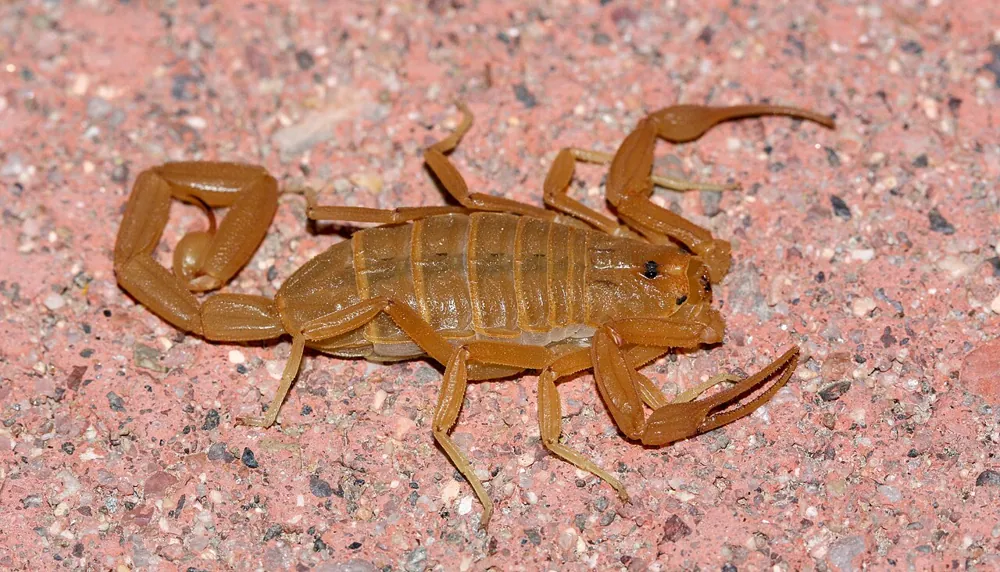
The Arizona bark scorpion is a small, light brown scorpion. It lives in the Sonoran Desert of the southwestern United States and northwestern Mexico. It is the most venomous scorpion in the United States, so it is important to know what it looks like and what to do after a sting.1


 Jak je rozpoznać
- Small and light brown, tan or light beige in colour1
- Adults are up to 8 cm long (males) or up to 7 cm long (females)1
- Glows (fluoresces) under a blacklight, so it can be spotted at night from about six feet away with a UV flashlight1
- Can climb walls, trees and other rough surfaces, and often sits on the underside of objects1
Siła jadu
Jad wydostaje się przez żądło.
Jak działa jego jad?
The venom causes severe pain in adults, along with numbness, tingling and vomiting. These symptoms typically last between 24 and 72 hours. The stung area may stop working for a time, so a hand or arm can be temporarily immobilised or have convulsions. Some victims also feel short breaths and electrical jolts.1
Jak bardzo jest niebezpieczne dla ludzi?
Zagrożenie dla ludzi: GroźneUżądlenie wymaga lekarza. Zgony są bardzo rzadkie.Two deaths have been recorded in Arizona since 1968. Thousands of people are estimated to be stung each year in Arizona and New Mexico. Young children are at particular risk of severe symptoms.1
 Dobra wiadomość: lekarze mają na to lek (surowicę przeciwjadową) albo leczenie.1
Co robi, gdy się boi?
It will not seek out humans unless it is provoked or defending its young.1
 Jeśli użądli
- Clean the sting site with soap and water, then apply a cool compress. You can take acetaminophen (paracetamol) or ibuprofen for pain and swelling. Get medical attention straight away if severe symptoms occur, especially in young children.1
- Schłodź miejsce użądlenia okładem z lodu i trzymaj poszkodowanego w bezruchu. Szybko szukaj pomocy medycznej, zwłaszcza w przypadku dzieci: niektóre skorpiony są śmiertelnie groźne dla dzieci.
Zawsze najpierw dzwoń na numer alarmowy (112, 000, 911). To ogólne wskazówki pierwszej pomocy, a nie porada medyczna. Podstawy pierwszej pomocy
 Uważaj na siebie
- Nigdy nie dotykaj, nie łap ani nie drażnij dzikiego zwierzęcia, nawet małego, i nawet jeśli wygląda, jakby spało albo było martwe.
- Zostaw mu miejsce. Jeśli je spotkasz, zachowaj spokój, powoli się wycofaj i pozwól mu odejść.
- Jeśli cię użądli: zachowaj spokój, nie ruszaj się, zadzwoń na numer alarmowy (112, 000, 911) albo jak najszybciej dotrzyj do szpitala. Zapamiętaj, jak wyglądało, zdjęcie pomaga.
Nie poluje na ciebie. Używa jadu, żeby złapać jedzenie albo się bronić, i dużo bardziej woli się schować. Więcej o bezpieczeństwie
Jakie jest duże?
Jakie jest długie?
 długie jak 2,5 klocków ułożonych w rzędzie
 100 metrów w 220 s (najszybszy człowiek potrzebuje 9,6)
Arizona bark scorpion: jak duże jest w porównaniu z TOBĄ?
Zwykła matematyka w twojej przeglądarce. Nic nie jest zapisywane ani nigdzie wysyłane.
Jak szybkie jest?


Fakty
Scorpions, including this species, were found near ground zero during American nuclear tests, with no recorded harmful effects.1
Its venom has little effect on grasshopper mice, which scientists found use the toxin as a pain reducer rather than a pain trigger.1
It is the only scorpion genus in the Southwest that can climb rough walls and trees.1
Layers of wax on its outer shell help it resist water loss in the desert.1
Newly moulted scorpions do not glow under UV light for a few days.1
Young scorpions are gently guided onto their mother's back, where they stay after birth.1
Pogromca mitów
Mit: Scorpions go looking for people to sting them.
Prawda: They will not seek out humans unless they are provoked or defending their young. Many stings happen when people touch a scorpion on the underside of an object, where it is hiding.1
Dla znawców jadu
Skąd pochodzą fakty
- Arizona bark scorpion (Wikipedia (CC BY-SA 4.0))
- Centruroides sculpturatus (iNaturalist): nazwy i klasyfikacja.
- Venom Wiki: poziom zagrożenia, typowy rozmiar i szacowana prędkość to nasze własne oceny. Zobacz, jak je ustalamy: Jak oceniamy zagrożenie.
Każdy fakt na tej stronie ma numer, który wskazuje jego źródło. Jeśli coś pomyliliśmy, przepraszamy, jesteśmy fanami zwierząt, a nie czasopismem naukowym. Napisz do nas na [email protected], a poprawimy to.
 Skorpion jest głodny! Venom Wiki to projekt jednej osoby: darmowy, bez reklam i bez śledzenia. Mały napiwek pomaga utrzymać go w sieci.Nakarm skorpiona
 Cuban blue scorpion
 Striped bark scorpion
 Giant desert hairy scorpion
 Colima scorpion
 Durango scorpion
 Mexican bark scorpion
 Żararaka szorstka
 Eastern coral snake
 Eastern diamondback rattlesnake
 Eyelash viper
 Timber rattlesnake
 Western diamondback rattlesnake