
 Afryka
 Azja
Azja Europa
 Ameryka Południowa
 Australia i Oceania
 Antarktyda
 Ocean Spokojny
 Ocean Atlantycki
 Ocean Indyjski
 Ocean Arktyczny
 Morze Śródziemne
 Morze Czerwone
 Morze Karaibskie
 Morze Koralowe
 Morze Południowochińskie
 Morze Filipińskie
 Morze Andamańskie
 Morze Północne
 Morze Timor i Morze Arafura
 Zatoka Bengalska
 Zatoka Kalifornijska
Brazilian salmon pink birdeater
 Ugryzienia
The Brazilian salmon pink bird-eating tarantula is a large spider from north-eastern Brazil. It is one of the biggest tarantulas in the world, and it is a popular pet among tarantula keepers because it is calm and breeds easily.1



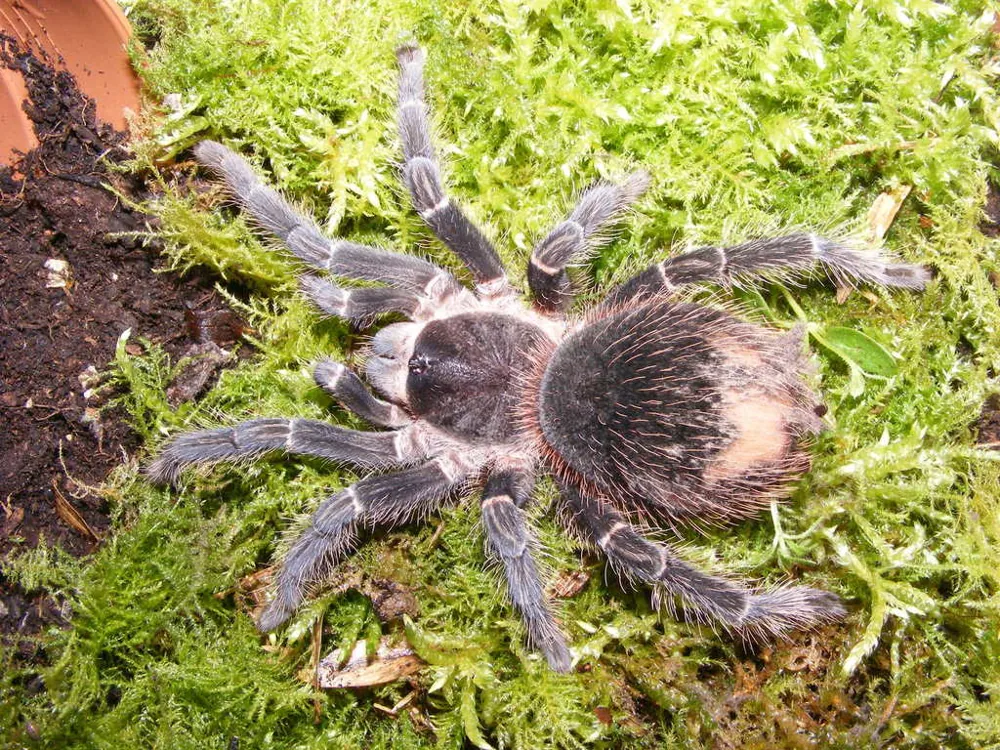
 Jak je rozpoznać
Siła jadu
Jad wydostaje się przez kły lub zęby, gdy zwierzę gryzie.
Jak działa jego jad?
The venom is weak to humans. The bite is painful, and the fangs, which can be up to 2.5 cm long, can penetrate human skin. Some sites claim the bite is similar to a cat bite, but this is not confirmed.1
Jak bardzo jest niebezpieczne dla ludzi?
Zagrożenie dla ludzi: ŁagodneJak użądlenie pszczoły albo słabiej. W zasadzie nieszkodliwe dla ludzi.A bite is mechanically dangerous because of the fangs, but it is not medically significant. The tarantula bites only when provoked, and only as a last resort. Its urticating hairs can cause mild to severe skin irritation. Handling can also seriously injure or kill the tarantula, because a fall of more than a few inches can rupture its abdomen.1
Co robi, gdy się boi?
When threatened, it raises its legs and the front of its body to deter predators, flicks irritating urticating hairs from its abdomen, and only bites if the attack continues.1
 Jeśli ugryzie
- Umyj miejsce ugryzienia i je schłódź. Szukaj pomocy medycznej, jeśli ból jest silny albo poszkodowany źle się czuje.
Zawsze najpierw dzwoń na numer alarmowy (112, 000, 911). To ogólne wskazówki pierwszej pomocy, a nie porada medyczna. Podstawy pierwszej pomocy
 Uważaj na siebie
- Nigdy nie dotykaj, nie łap ani nie drażnij dzikiego zwierzęcia, nawet małego, i nawet jeśli wygląda, jakby spało albo było martwe.
- Zostaw mu miejsce. Jeśli je spotkasz, zachowaj spokój, powoli się wycofaj i pozwól mu odejść.
- Jeśli cię ugryzie: zachowaj spokój, nie ruszaj się, zadzwoń na numer alarmowy (112, 000, 911) albo jak najszybciej dotrzyj do szpitala. Zapamiętaj, jak wyglądało, zdjęcie pomaga.
Nie poluje na ciebie. Używa jadu, żeby złapać jedzenie albo się bronić, i dużo bardziej woli się schować. Więcej o bezpieczeństwie
Jakie jest duże?
Jakie jest długie?
Ile waży?

 długie jak 9 klocków ułożonych w rzędzie
 100 metrów w 160 s (najszybszy człowiek potrzebuje 9,6)
Brazilian salmon pink birdeater: jak duże jest w porównaniu z TOBĄ?
Zwykła matematyka w twojej przeglądarce. Nic nie jest zapisywane ani nigdzie wysyłane.
Jak szybkie jest?


Fakty
Males must hook back the female's fangs during mating, and slow males risk being eaten by the female.1
It is considered the fourth largest tarantula in the world, behind the three species in the genus Theraphosa.1
Before moulting, it lies on its back and forces itself out of its old skin, and it stops eating a few days beforehand.1
Males deposit sperm onto a webbed mat, called a sperm web, before finding a female.1
Pogromca mitów
Mit: Brazilian salmon pink tarantulas are bird-eaters.
Prawda: There is very little evidence that they catch and eat birds. In the wild they mainly eat large insects and sometimes amphibians and small reptiles.1
Skąd pochodzą fakty
- Lasiodora parahybana (Wikipedia (CC BY-SA 4.0))
- Lasiodora parahybana (iNaturalist): nazwy i klasyfikacja.
- Venom Wiki: poziom zagrożenia, typowy rozmiar i szacowana prędkość to nasze własne oceny. Zobacz, jak je ustalamy: Jak oceniamy zagrożenie.
Każdy fakt na tej stronie ma numer, który wskazuje jego źródło. Jeśli coś pomyliliśmy, przepraszamy, jesteśmy fanami zwierząt, a nie czasopismem naukowym. Napisz do nas na [email protected], a poprawimy to.
 Skorpion jest głodny! Venom Wiki to projekt jednej osoby: darmowy, bez reklam i bez śledzenia. Mały napiwek pomaga utrzymać go w sieci.Nakarm skorpiona
Więcej z tej samej grupy: Ptaszniki i atraksy
 Goliath birdeaterPtaszniki i atraksyTylko boli
 Chilean rose tarantulaPtaszniki i atraksyNieszkodliwe
 Greenbottle blue tarantulaPtaszniki i atraksyNieszkodliwe
 Pinktoe tarantulaPtaszniki i atraksyNieszkodliwe
 Brazilian funnel-web spiderPtaszniki i atraksyWymaga lekarza
 Burgundy goliath birdeaterPtaszniki i atraksyTylko boli
 Liściołaz żółty
 Żararaka szorstka
 Brazilian wandering spider
 Eyelash viper
 Golden lancehead
 South American bushmaster