
 Afryka
 Azja
Azja Europa
 Ameryka Południowa
 Australia i Oceania
 Antarktyda
 Ocean Spokojny
 Ocean Atlantycki
 Ocean Indyjski
 Ocean Arktyczny
 Morze Śródziemne
 Morze Czerwone
 Morze Karaibskie
 Morze Koralowe
 Morze Południowochińskie
 Morze Filipińskie
 Morze Andamańskie
 Morze Północne
 Morze Timor i Morze Arafura
 Zatoka Bengalska
 Zatoka Kalifornijska
Bullet ant
 Użądlenia
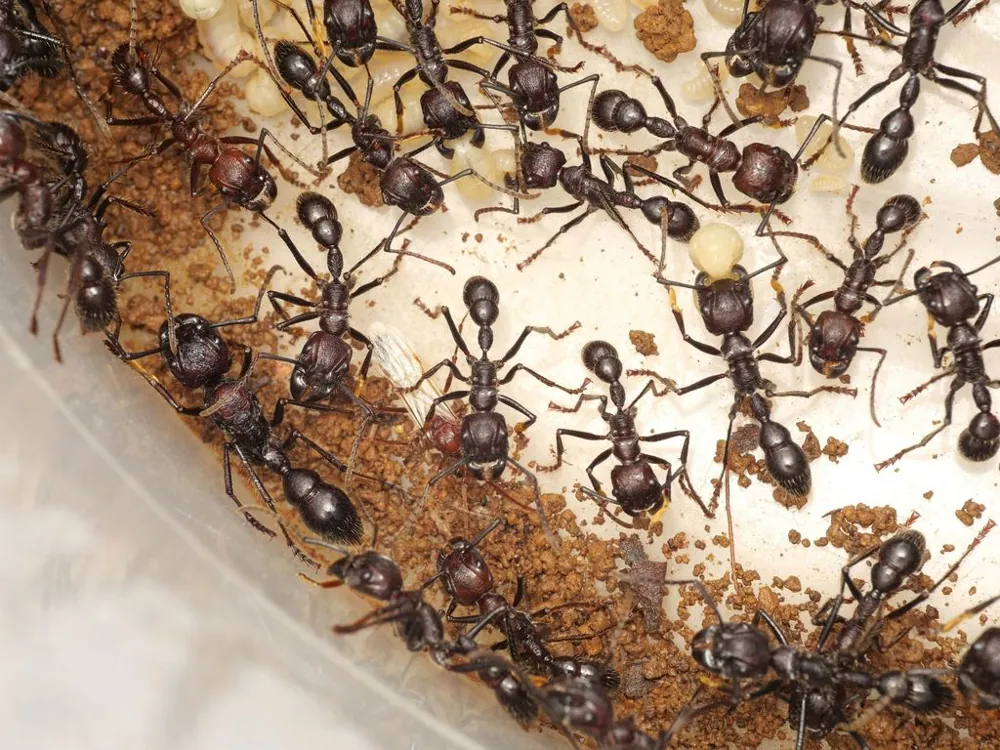
The bullet ant is a large rainforest ant with a sting that is famously painful. It lives in humid lowland rainforests in Central and South America. Its sting ranks as the most painful of all insect stings on one informal pain scale.1
 Jak je rozpoznać
Siła jadu
Jad wydostaje się przez żądło.
Jak działa jego jad?
The sting delivers poneratoxin, a paralysing neurotoxic peptide (a small protein that attacks the nerves). It affects sodium ion channels, which are needed to send nerve signals, and blocks signal transmission in the central nervous system. Common symptoms from even one sting include swollen lymph nodes, swelling (oedema), a fast heartbeat (tachycardia) and fresh blood in the faeces.1
Jak bardzo jest niebezpieczne dla ludzi?
Zagrożenie dla ludzi: BolesneMoże naprawdę boleć, ale prawie nigdy nie jest groźne.The pain is described as burning, throbbing and all-consuming, and it can last for up to 24 hours. Workers are vicious when defending the nest, so people who disturb a nest risk being stung.1
Co robi, gdy się boi?
The ants are not aggressive in general, but they defend the nest viciously, producing a stridulating sound and stinging with ferocity.1
 Jeśli użądli
- Umyj i schłódź miejsca użądleń.
- Jeśli poszkodowany ma trudności z oddychaniem, obrzęk twarzy lub gardła albo czuje, że mdleje, to nagły przypadek alergiczny: zadzwoń na numer alarmowy.
Zawsze najpierw dzwoń na numer alarmowy (112, 000, 911). To ogólne wskazówki pierwszej pomocy, a nie porada medyczna. Podstawy pierwszej pomocy
 Uważaj na siebie
- Nigdy nie dotykaj, nie łap ani nie drażnij dzikiego zwierzęcia, nawet małego, i nawet jeśli wygląda, jakby spało albo było martwe.
- Zostaw mu miejsce. Jeśli je spotkasz, zachowaj spokój, powoli się wycofaj i pozwól mu odejść.
- Jeśli cię użądli: zachowaj spokój, nie ruszaj się, zadzwoń na numer alarmowy (112, 000, 911) albo jak najszybciej dotrzyj do szpitala. Zapamiętaj, jak wyglądało, zdjęcie pomaga.
Nie poluje na ciebie. Używa jadu, żeby złapać jedzenie albo się bronić, i dużo bardziej woli się schować. Więcej o bezpieczeństwie
Jakie jest duże?
Jakie jest długie?
 mniej więcej długości spinacza
Bullet ant: jak duże jest w porównaniu z TOBĄ?
Zwykła matematyka w twojej przeglądarce. Nic nie jest zapisywane ani nigdzie wysyłane.
Jak szybkie jest?


Fakty
Its sting is compared to walking over flaming charcoal with a three-inch nail in your heel, and some victims say it feels like being shot, which gives the ant its name.1
The Sateré-Mawé people of Brazil use bullet ant stings in initiation rites for becoming warriors or leaders. Ants are sedated and woven into gloves, and the initiate wears them for 5 to 10 minutes or longer.1
A flying fly parasite, Apocephalus paraponerae, lays eggs in injured bullet ants, and a crushed ant can attract flies within two to three minutes.1
Poneratoxin from its venom is being investigated for possible medical uses.1
The glasswing butterfly, Greta oto, is a predator of the bullet ant. Its larvae make chemical extracts that these ants find unpalatable.1
Fossils of relatives were found in Dominican amber. The extinct Paraponera dieteri lived 15 to 45 million years ago in the Early Miocene.1
Skąd pochodzą fakty
- Paraponera clavata (Wikipedia (CC BY-SA 4.0))
- Paraponera clavata (iNaturalist): nazwy i klasyfikacja.
- Venom Wiki: poziom zagrożenia, typowy rozmiar i szacowana prędkość to nasze własne oceny. Zobacz, jak je ustalamy: Jak oceniamy zagrożenie.
Każdy fakt na tej stronie ma numer, który wskazuje jego źródło. Jeśli coś pomyliliśmy, przepraszamy, jesteśmy fanami zwierząt, a nie czasopismem naukowym. Napisz do nas na [email protected], a poprawimy to.
 Skorpion jest głodny! Venom Wiki to projekt jednej osoby: darmowy, bez reklam i bez śledzenia. Mały napiwek pomaga utrzymać go w sieci.Nakarm skorpiona
 Red imported fire ant
 Army ant
 Giant Amazonian ant
 Maricopa harvester ant
 Trap-jaw ant
 Acacia ant
 Terciopelo
 Eastern coral snake
 Eastern diamondback rattlesnake
 Eyelash viper
 Timber rattlesnake
 Western diamondback rattlesnake