
 Afryka
 Azja
Azja Europa
 Ameryka Południowa
 Australia i Oceania
 Antarktyda
 Ocean Spokojny
 Ocean Atlantycki
 Ocean Indyjski
 Ocean Arktyczny
 Morze Śródziemne
 Morze Czerwone
 Morze Karaibskie
 Morze Koralowe
 Morze Południowochińskie
 Morze Filipińskie
 Morze Andamańskie
 Morze Północne
 Morze Timor i Morze Arafura
 Zatoka Bengalska
 Zatoka Kalifornijska
Common death adder
 Ugryzienia
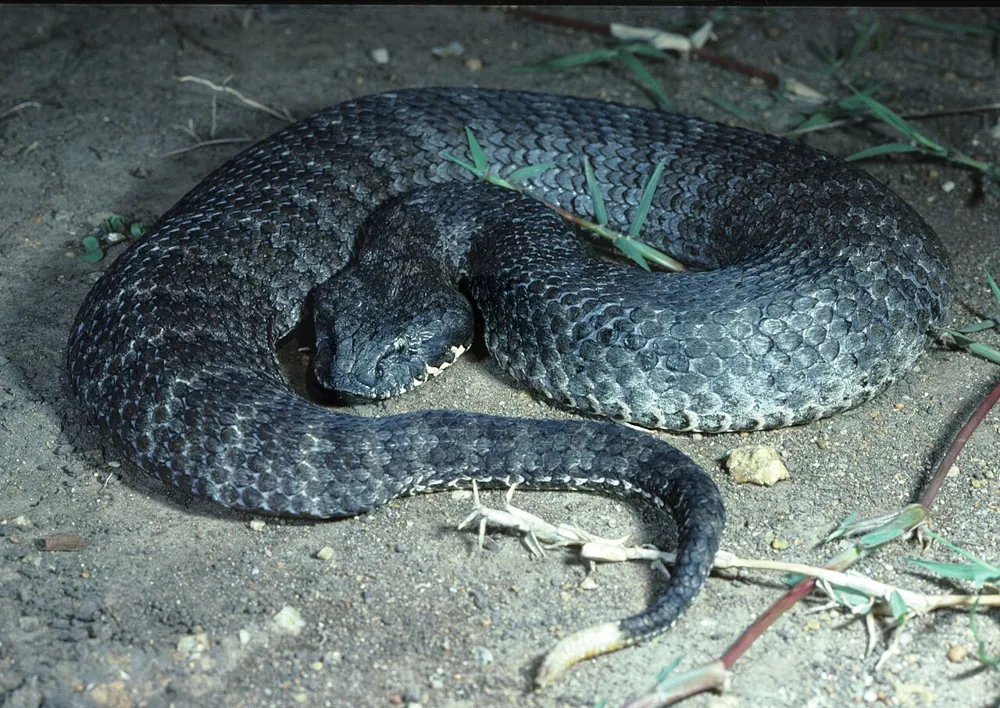
The common death adder is a snake from Australia that is one of the most venomous land snakes in the country and in the world. It lives in forests, woodlands, grasslands and heaths on the east coast, and it hides so well that people can walk right past it. It is worth knowing about because its hunting style makes it more dangerous to people in bushland than other venomous snakes.1
 Jak je rozpoznać
- Broad, flattened, triangular head1
- Thick body with bands of red, brown and black1
- Grey, cream or pink belly1
- Can reach a maximum body length of 70 to 100 cm1
Często mylone z: The common or European adder (Vipera berus) is sometimes mentioned as a snake it can be compared with. The two are not closely related: the common death adder belongs to the Elapidae family, while the European adder belongs to the Viperidae family, which is not found in Australia.1
Siła jadu
Jad wydostaje się przez kły lub zęby, gdy zwierzę gryzie.
Jak działa jego jad?
It is one of the most venomous land snakes in Australia and in the world, and it injects venom when it strikes. After striking, it waits for the prey to die before eating it.1
Jak bardzo jest niebezpieczne dla ludzi?
Zagrożenie dla ludzi: Śmiertelnie groźneJedno z najniebezpieczniejszych zwierząt na świecie.It is not aggressive, but its habit of lying still and relying on camouflage rather than fleeing makes it more dangerous to people who walk into bushland than other elapid snakes. Its ambush style means people may not see it before they are close enough to be bitten.1
Co robi, gdy się boi?
It relies on camouflage rather than flight to avoid threats.1
 Jeśli ugryzie
- Unieruchomienie uciskowe: owiń miejsce ugryzienia mocnym bandażem elastycznym, a potem całą kończynę w górę, unieruchom ją szyną i trzymaj poszkodowanego w całkowitym bezruchu, aż przybędzie pomoc.
- Nie myj miejsca ugryzienia: w szpitalu mogą zbadać jad, który został na skórze, i dobrać właściwą surowicę przeciwjadową.
Zawsze najpierw dzwoń na numer alarmowy (112, 000, 911). To ogólne wskazówki pierwszej pomocy, a nie porada medyczna. Podstawy pierwszej pomocy
 Uważaj na siebie
- Nigdy nie dotykaj, nie łap ani nie drażnij dzikiego zwierzęcia, nawet małego, i nawet jeśli wygląda, jakby spało albo było martwe.
- Zostaw mu miejsce. Jeśli je spotkasz, zachowaj spokój, powoli się wycofaj i pozwól mu odejść.
- Jeśli cię ugryzie: zachowaj spokój, nie ruszaj się, zadzwoń na numer alarmowy (112, 000, 911) albo jak najszybciej dotrzyj do szpitala. Zapamiętaj, jak wyglądało, zdjęcie pomaga.
Nie poluje na ciebie. Używa jadu, żeby złapać jedzenie albo się bronić, i dużo bardziej woli się schować. Więcej o bezpieczeństwie
Jakie jest duże?
Jakie jest długie?
 długie jak 2 kotów domowych od nosa do ogona
 długie jak 6 bananów ułożonych jeden za drugim
 100 metrów w 58 s (najszybszy człowiek potrzebuje 9,6)
Common death adder: jak duże jest w porównaniu z TOBĄ?
Zwykła matematyka w twojej przeglądarce. Nic nie jest zapisywane ani nigdzie wysyłane.
Jak szybkie jest?


Fakty
It can wait in one spot for many days, covered in leaves, with its tail twitching like a grub to lure prey in.1
Cane toads are a threat to it: the toads eat young death adders, and adult death adders that eat the toads are poisoned by the toxic glands on the toads' skin.1
Unlike the European adder, which is a viper, the common death adder belongs to the Elapidae family, which is not found in Australia's viper family.1
A single litter can contain more than 30 young, although the usual range is about 3 to 20.1
Dla znawców jadu
- Nazwa naukowa
- Acanthophis antarcticus
- Grupa
- Węże Australii
- Rodzina
- Elapidae2
- Kolejność
- Squamata
- Kontynenty
- Australia i Oceania
- Młode
- Unlike most snakes, it gives birth to live young. A female produces a litter in late summer of approximately 3 to 20 young, and over 30 young have been recorded in a single litter.1
- Zagrożenie dla ludzi
- 5 / 5: Śmiertelnie groźne3
Skąd pochodzą fakty
- Common death adder (Wikipedia (CC BY-SA 4.0))
- Acanthophis antarcticus (iNaturalist): nazwy i klasyfikacja.
- Venom Wiki: poziom zagrożenia, typowy rozmiar i szacowana prędkość to nasze własne oceny. Zobacz, jak je ustalamy: Jak oceniamy zagrożenie.
Każdy fakt na tej stronie ma numer, który wskazuje jego źródło. Jeśli coś pomyliliśmy, przepraszamy, jesteśmy fanami zwierząt, a nie czasopismem naukowym. Napisz do nas na [email protected], a poprawimy to.
 Skorpion jest głodny! Venom Wiki to projekt jednej osoby: darmowy, bez reklam i bez śledzenia. Mały napiwek pomaga utrzymać go w sieci.Nakarm skorpiona
Więcej z tej samej grupy: Węże Australii
 Coastal taipan
 Eastern brown snake
 Tajpan pustynny
 Wąż tygrysi
 Collett's snake
 Desert death adder
Żyje też w: Australia i Oceania
 Sydney funnel-web spiderPtaszniki i atraksyŚmiertelnie groźne
 Redback spiderPająkiWymaga lekarza
 Brown tree snakeWęże tylnobruzdoweTylko boli
 Hooded pitohuiInne trujące zwierzętaTylko boliNie dotykaj
 PlatypusJadowite ssakiTylko boli
 Northern tree-dwelling funnel-web spiderPtaszniki i atraksyŚmiertelnie groźne