
 Afryka
 Azja
Azja Europa
 Ameryka Południowa
 Australia i Oceania
 Antarktyda
 Ocean Spokojny
 Ocean Atlantycki
 Ocean Indyjski
 Ocean Arktyczny
 Morze Śródziemne
 Morze Czerwone
 Morze Karaibskie
 Morze Koralowe
 Morze Południowochińskie
 Morze Filipińskie
 Morze Andamańskie
 Morze Północne
 Morze Timor i Morze Arafura
 Zatoka Bengalska
 Zatoka Kalifornijska
Common eastern bumble bee
 Użądlenia
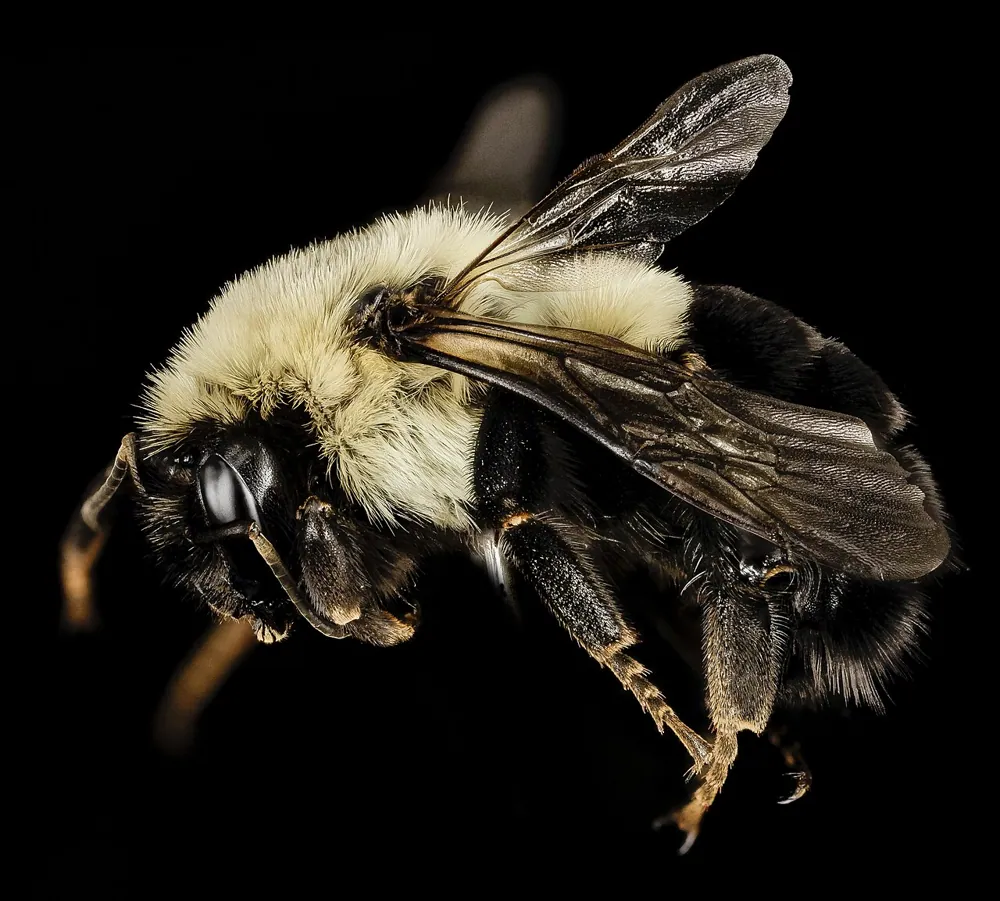
The common eastern bumblebee is a furry, black and yellow bee. It is the most commonly seen bumblebee across much of eastern North America, including towns, cities and fields. Its visits to flowers help pollinate many crops, so it matters to farmers and gardeners.1
 Jak je rozpoznać
- Queens and workers are black with a yellow thorax (the middle part of the body) and a yellow first abdominal segment (the first part of the rear body).1
- Males have a yellow face and head, and their coloring is slightly different from queens and workers.1
- They have short, even hair and a long, rectangular body.1
- Queens are the largest, at 17 to 23 mm long. Workers measure 8.5 to 16 mm and males 12 to 18 mm.1
Często mylone z: They look similar to Bombus bimaculatus, B. perplexus, B. vagans, B. sandersoni and B. separatus.1
Siła jadu
Jad wydostaje się przez żądło.
Jak bardzo jest niebezpieczne dla ludzi?
Zagrożenie dla ludzi: ŁagodneJak użądlenie pszczoły albo słabiej. W zasadzie nieszkodliwe dla ludzi. Jeśli użądli
- Wyskrob żądło pszczoły i schłodź to miejsce.
- Jeśli poszkodowany ma trudności z oddychaniem, obrzęk twarzy lub gardła albo czuje, że mdleje, to nagły przypadek alergiczny: zadzwoń na numer alarmowy i użyj jego automatycznego wstrzykiwacza z adrenaliną, jeśli go ma.
Zawsze najpierw dzwoń na numer alarmowy (112, 000, 911). To ogólne wskazówki pierwszej pomocy, a nie porada medyczna. Podstawy pierwszej pomocy
 Uważaj na siebie
- Nigdy nie dotykaj, nie łap ani nie drażnij dzikiego zwierzęcia, nawet małego, i nawet jeśli wygląda, jakby spało albo było martwe.
- Zostaw mu miejsce. Jeśli je spotkasz, zachowaj spokój, powoli się wycofaj i pozwól mu odejść.
- Jeśli cię użądli: zachowaj spokój, nie ruszaj się, zadzwoń na numer alarmowy (112, 000, 911) albo jak najszybciej dotrzyj do szpitala. Zapamiętaj, jak wyglądało, zdjęcie pomaga.
Nie poluje na ciebie. Używa jadu, żeby złapać jedzenie albo się bronić, i dużo bardziej woli się schować. Więcej o bezpieczeństwie
Jakie jest duże?
Jakie jest długie?
 mniej więcej długości spinacza
 przelot przez całe boisko piłkarskie w 15 s
Common eastern bumble bee: jak duże jest w porównaniu z TOBĄ?
Zwykła matematyka w twojej przeglądarce. Nic nie jest zapisywane ani nigdzie wysyłane.
Jak szybkie jest?


Fakty
Queen bees can stay underwater for up to a week without drowning, which may help them survive floods or wet winters.1
Foragers use traplining, visiting flowers in the same repeatable order. This saves time and energy.1
Foraging bees share information about good food sources with other bees in the nest.1
Inside the nest, smaller workers stay near the centre and feed the young, while bigger workers work as foragers and guards on the outside.1
Commercially raised colonies are used to pollinate tomatoes, blueberries, raspberries and pumpkins in greenhouses.1
Dla znawców jadu
- Nazwa naukowa
- Bombus impatiens
- Grupa
- Pszczoły, osy i szerszenie
- Rodzina
- Apidae2
- Kolejność
- Hymenoptera
- Kontynenty
- Ameryka Północna
- Młode
- A queen can lay about 2000 eggs in one season, but only about half of them survive to become adults. The eggs are laid in clumps throughout the nest.1
- Zagrożenie dla ludzi
- 1 / 5: Łagodne3
Skąd pochodzą fakty
- Bombus impatiens (Wikipedia (CC BY-SA 4.0))
- Bombus impatiens (iNaturalist): nazwy i klasyfikacja.
- Venom Wiki: poziom zagrożenia, typowy rozmiar i szacowana prędkość to nasze własne oceny. Zobacz, jak je ustalamy: Jak oceniamy zagrożenie.
Każdy fakt na tej stronie ma numer, który wskazuje jego źródło. Jeśli coś pomyliliśmy, przepraszamy, jesteśmy fanami zwierząt, a nie czasopismem naukowym. Napisz do nas na [email protected], a poprawimy to.
 Skorpion jest głodny! Venom Wiki to projekt jednej osoby: darmowy, bez reklam i bez śledzenia. Mały napiwek pomaga utrzymać go w sieci.Nakarm skorpiona
Więcej z tej samej grupy: Pszczoły, osy i szerszenie
 Tarantula hawkPszczoły, osy i szerszenieTylko boli
 Executioner waspPszczoły, osy i szerszenieWymaga lekarza
 Warrior waspPszczoły, osy i szerszenieWymaga lekarza
 Bald-faced hornetPszczoły, osy i szerszenieTylko boli
 Cow killer velvet antPszczoły, osy i szerszenieTylko boli
 Eastern cicada killerPszczoły, osy i szerszenieNieszkodliwe
 Terciopelo
 Eastern coral snake
 Eastern diamondback rattlesnake
 Eyelash viper
 Timber rattlesnake
 Western diamondback rattlesnake
.jpg)