
 Afryka
 Azja
Azja Europa
 Ameryka Południowa
 Australia i Oceania
 Antarktyda
 Ocean Spokojny
 Ocean Atlantycki
 Ocean Indyjski
 Ocean Arktyczny
 Morze Śródziemne
 Morze Czerwone
 Morze Karaibskie
 Morze Koralowe
 Morze Południowochińskie
 Morze Filipińskie
 Morze Andamańskie
 Morze Północne
 Morze Timor i Morze Arafura
 Zatoka Bengalska
 Zatoka Kalifornijska
Common European adder
 Ugryzienia
The common European adder is a venomous snake that lives across much of Europe and as far east as East Asia. In several European countries it is the only native venomous snake. It is not aggressive and usually bites only when it is cornered, stepped on or picked up.1



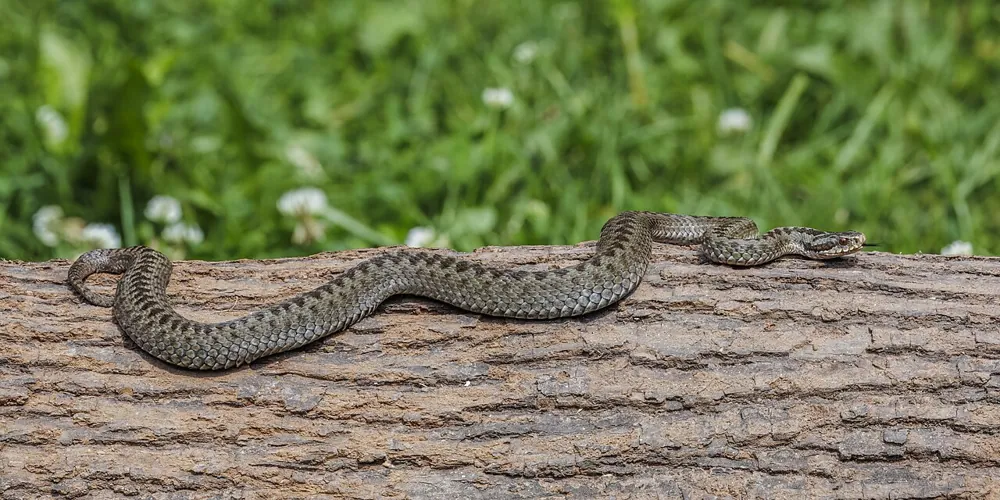
 Jak je rozpoznać
- Relatively thick body. Adults are usually about 60 cm long, including the tail.1
- Most have a dark zigzag pattern running along the back and tail.1
- A dark V or X marking is usually present on top of the head.1
- A dark streak runs from the eye to the neck, then continues as spots along the sides.1
- Females are usually brown with dark brown markings. Males are a uniform grey with black markings.1
Siła jadu
Jad wydostaje się przez kły lub zęby, gdy zwierzę gryzie.
Jak działa jego jad?
Bites can be very painful, but they are rarely fatal.1
Jak bardzo jest niebezpieczne dla ludzi?
Zagrożenie dla ludzi: GroźneUgryzienie wymaga lekarza. Zgony są bardzo rzadkie.The adder is not regarded as especially dangerous. It is not aggressive and usually bites only when really provoked, stepped on or picked up. Bites are rarely fatal.1
Co robi, gdy się boi?
When it feels threatened, it usually slips away into the undergrowth. Some snakes, often pregnant females, hiss loudly to warn off danger, and the front of the body is drawn into an S-shape before a strike.1
 Jeśli ugryzie
- Trzymaj poszkodowanego w bezruchu i spokoju, trzymaj ugryzioną kończynę na wysokości serca, zdejmij pierścionki i to, co ciasne, i jak najszybciej dotrzyj do szpitala.
Zawsze najpierw dzwoń na numer alarmowy (112, 000, 911). To ogólne wskazówki pierwszej pomocy, a nie porada medyczna. Podstawy pierwszej pomocy
 Uważaj na siebie
- Nigdy nie dotykaj, nie łap ani nie drażnij dzikiego zwierzęcia, nawet małego, i nawet jeśli wygląda, jakby spało albo było martwe.
- Zostaw mu miejsce. Jeśli je spotkasz, zachowaj spokój, powoli się wycofaj i pozwól mu odejść.
- Jeśli cię ugryzie: zachowaj spokój, nie ruszaj się, zadzwoń na numer alarmowy (112, 000, 911) albo jak najszybciej dotrzyj do szpitala. Zapamiętaj, jak wyglądało, zdjęcie pomaga.
Nie poluje na ciebie. Używa jadu, żeby złapać jedzenie albo się bronić, i dużo bardziej woli się schować. Więcej o bezpieczeństwie
Jakie jest duże?
Jakie jest długie?
Ile waży?
 długie jak 2 kotów domowych od nosa do ogona
 długie jak 5 bananów ułożonych jeden za drugim
 100 metrów w 110 s (najszybszy człowiek potrzebuje 9,6)
Common European adder: jak duże jest w porównaniu z TOBĄ?
Zwykła matematyka w twojej przeglądarce. Nic nie jest zapisywane ani nigdzie wysyłane.
Jak szybkie jest?


Fakty
It hibernates in winter. In northern Sweden, hibernation lasts 8 to 9 months, and it may come out to bask on mild days, sometimes crossing snow to do so.1
Around 15% of adults and 30 to 40% of juveniles die during hibernation.1
Males and females can often be told apart by colour, which is unusual for snakes.1
In several European countries it is the only native venomous snake.1
It is found farther north than any other snake species.1
Pogromca mitów
Mit: Adders are aggressive snakes that attack people.
Prawda: Adders are timid. They usually disappear at the slightest hint of danger and bite only when cornered, alarmed, stepped on or picked up.1
Dla znawców jadu
- Nazwa naukowa
- Vipera berus
- Grupa
- Żmije
- Rodzina
- Viperidae2
- Kolejność
- Squamata
- Kontynenty
- Europa, Azja
- Młode
- It gives birth to live young rather than laying eggs. Females breed once every two or three years, and litters range from three to 20 young.1
- Jak sobie radzi na wolności
- Least concern (IUCN Red List), although its population is decreasing. It is protected in many countries, and it is listed as endangered in Switzerland.1
- Zagrożenie dla ludzi
- 3 / 5: Groźne3
Skąd pochodzą fakty
- Adder (Wikipedia (CC BY-SA 4.0))
- Vipera berus (iNaturalist): nazwy i klasyfikacja.
- Venom Wiki: poziom zagrożenia, typowy rozmiar i szacowana prędkość to nasze własne oceny. Zobacz, jak je ustalamy: Jak oceniamy zagrożenie.
Każdy fakt na tej stronie ma numer, który wskazuje jego źródło. Jeśli coś pomyliliśmy, przepraszamy, jesteśmy fanami zwierząt, a nie czasopismem naukowym. Napisz do nas na [email protected], a poprawimy to.
 Skorpion jest głodny! Venom Wiki to projekt jednej osoby: darmowy, bez reklam i bez śledzenia. Mały napiwek pomaga utrzymać go w sieci.Nakarm skorpiona
Więcej z tej samej grupy: Żmije
 Efa piaskowa
 Żmija sykliwa
 Żmija Russella
 Eastern Russell's viper
 Northeast African carpet viper
 Armenian viper
_female_Pieniny.jpg)
Żyje też w: Europa
 Spanish flyInne trujące zwierzętaWymaga lekarzaNie dotykaj
 Common waspPszczoły, osy i szerszenieTylko boli
 European hornetPszczoły, osy i szerszenieTylko boli
 Fire salamanderDrzewołazy, ropuchy i traszkiTylko boliNie dotykaj
 Western honey beePszczoły, osy i szerszenieTylko boli
 Mediterranean black widowPająkiWymaga lekarza