
 Afryka
 Azja
Azja Europa
 Ameryka Południowa
 Australia i Oceania
 Antarktyda
 Ocean Spokojny
 Ocean Atlantycki
 Ocean Indyjski
 Ocean Arktyczny
 Morze Śródziemne
 Morze Czerwone
 Morze Karaibskie
 Morze Koralowe
 Morze Południowochińskie
 Morze Filipińskie
 Morze Andamańskie
 Morze Północne
 Morze Timor i Morze Arafura
 Zatoka Bengalska
 Zatoka Kalifornijska
Fire salamander
 Trucizna w skórze
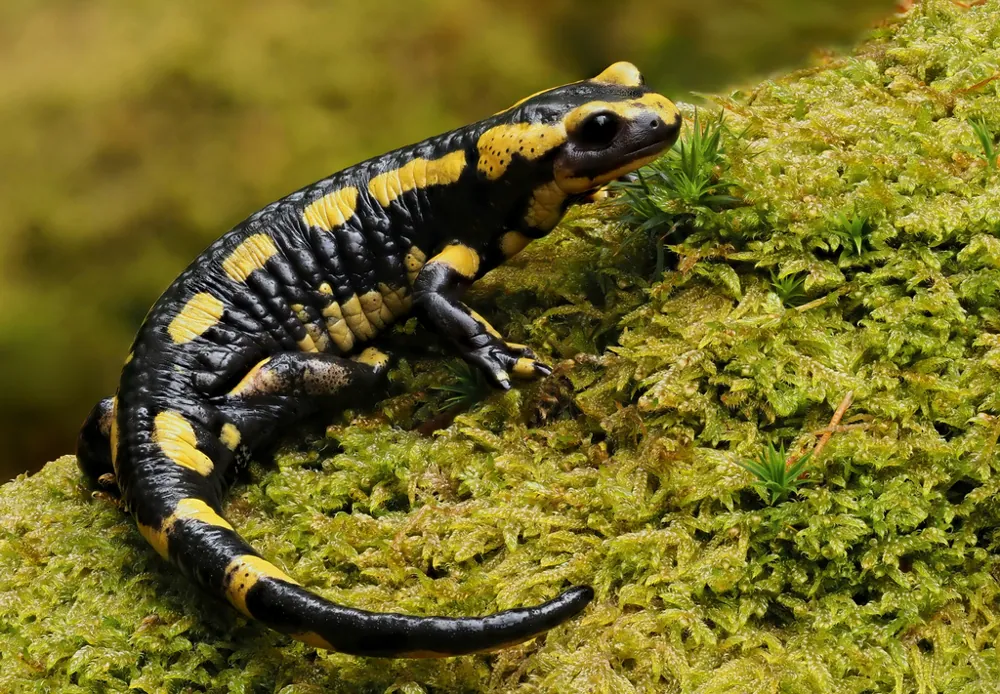
The fire salamander is a black amphibian with bright yellow, and sometimes red or orange, markings. It lives in forests across most of southern and central Europe. Its bright colours warn predators that its skin is poisonous.1
 Jak je rozpoznać
- Black with yellow spots or stripes; the amount of yellow varies, and some are almost completely black1
- Shades of red or orange may appear, replacing or mixing with the yellow, depending on the subspecies1
- Grows to 15 to 25 cm long, making it one of Europe's largest salamanders1
- Males and females look very similar, except in the breeding season, when the male has a swollen gland near his vent1
Siła trucizny
Jego skóra jest trująca. Niebezpiecznie jest jej dotykać, lizać ją albo ją jeść.
Jak działa jego trucizna?
The fire salamander is poisonous rather than venomous, so it does not inject venom with a bite. Its skin secretions contain alkaloid toxins, mainly samandarin, which cause strong muscle convulsions and high blood pressure, combined with fast breathing, in all vertebrates. Another alkaloid, samandarone, has also been found in its skin secretions. The poison comes from glands concentrated around the head and along the back.1
Jak bardzo jest niebezpieczne dla ludzi?
Zagrożenie dla ludzi: BolesneMoże naprawdę boleć, ale prawie nigdy nie jest groźne.Some compounds in its skin secretions are potentially dangerous to human life. Touching the animal or handling its skin can expose people to the poison.1
Co robi, gdy się boi?
Its bright yellow, red or orange colours warn predators that it is poisonous, and it releases toxins from its skin glands.1
 Jeśli ktoś je dotknął lub zjadł
- Jeśli ktoś go dotknął: dokładnie umyj ręce i nie dotykaj oczu ani ust. Jeśli dziecko lub zwierzę domowe je polizało albo zjadło: zadzwoń do ośrodka toksykologicznego albo na numer alarmowy.
Zawsze najpierw dzwoń na numer alarmowy (112, 000, 911). To ogólne wskazówki pierwszej pomocy, a nie porada medyczna. Podstawy pierwszej pomocy
 Uważaj na siebie
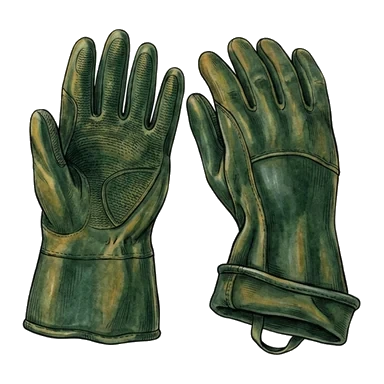
- Nigdy nie dotykaj, nie łap ani nie drażnij dzikiego zwierzęcia, nawet małego, i nawet jeśli wygląda, jakby spało albo było martwe.
- Zostaw mu miejsce. Jeśli je spotkasz, zachowaj spokój, powoli się wycofaj i pozwól mu odejść.
- Po dotknięciu lub zjedzeniu: nie trzyj oczu ani ust, umyj ręce i szukaj pomocy medycznej.
Nie poluje na ciebie. Jego trucizna jest tylko po to, żeby nikt go nie zjadł. Więcej o bezpieczeństwie
Jakie jest duże?
Jakie jest długie?
Ile waży?

 długie jak 8 klocków ułożonych w rzędzie
Fire salamander: jak duże jest w porównaniu z TOBĄ?
Zwykła matematyka w twojej przeglądarce. Nic nie jest zapisywane ani nigdzie wysyłane.
Jak szybkie jest?


Fakty
One fire salamander lived for more than 50 years in Museum Koenig, a natural history museum in Germany.1
Larvae do not make the poison. It develops as the salamander matures, in the ovaries, liver and testes.1
Its skin poison may also help protect it against bacterial and fungal infections of the skin.1
Its bright colours are a warning signal. Scientists call this aposematism, meaning the animal advertises that it is poisonous.1
Some subspecies give birth to live young, while others release larvae into water. Only two subspecies, fastuosa and bernadezi, give birth to fully formed young.1
In captivity, females can store sperm for a long time and use it to produce another clutch of eggs. This has not been seen in the wild.1
Dla znawców jadu
- Nazwa naukowa
- Salamandra salamandra
- Grupa
- Drzewołazy, ropuchy i traszki
- Rodzina
- Salamandridae2
- Kolejność
- Caudata
- Kontynenty
- Europa
- Młode
- Eggs develop inside the female, and she puts the larvae into water as they hatch. In some subspecies, the young develop inside the female until she gives birth to fully formed young.1
- Długość życia
- około 50 lat1
- Jak sobie radzi na wolności
- Vulnerable (IUCN Red List, 2023)1
- Zagrożenie dla ludzi
- 2 / 5: Bolesne3
Skąd pochodzą fakty
- Fire salamander (Wikipedia (CC BY-SA 4.0))
- Salamandra salamandra (iNaturalist): nazwy i klasyfikacja.
- Venom Wiki: poziom zagrożenia, typowy rozmiar i szacowana prędkość to nasze własne oceny. Zobacz, jak je ustalamy: Jak oceniamy zagrożenie.
Każdy fakt na tej stronie ma numer, który wskazuje jego źródło. Jeśli coś pomyliliśmy, przepraszamy, jesteśmy fanami zwierząt, a nie czasopismem naukowym. Napisz do nas na [email protected], a poprawimy to.
 Skorpion jest głodny! Venom Wiki to projekt jednej osoby: darmowy, bez reklam i bez śledzenia. Mały napiwek pomaga utrzymać go w sieci.Nakarm skorpiona
Więcej z tej samej grupy: Drzewołazy, ropuchy i traszki
 Common toadDrzewołazy, ropuchy i traszkiTylko boliNie dotykaj
 European fire-bellied toadDrzewołazy, ropuchy i traszkiNieszkodliwe
 Iberian ribbed newtDrzewołazy, ropuchy i traszkiNieszkodliwe
 Natterjack toadDrzewołazy, ropuchy i traszkiNieszkodliwe
 Alpine salamanderDrzewołazy, ropuchy i traszkiNieszkodliwe
 European green toadDrzewołazy, ropuchy i traszkiNieszkodliwe
 Common European adder
 Spanish fly
 Common wasp
 European hornet
 Western honey bee
 Blunt-nosed viper