
 افریقا
 اسیا
اسیا اروپا
اروپا سویلي امریکا
 استرالیا او اوقیانوسیه
 انټارکټیکا
 ارام سمندر
 اطلس سمندر
 هند سمندر
 شمالي منجمد سمندر
 مدیترانه بحیره
 سره بحیره
 د کارائیب بحیره
 مرجاني بحیره
 د سویلي چین بحیره
 د فیلیپین بحیره
 د اندامان بحیره
 شمالي بحیره
 د تیمور او ارافورا بحیره
 د بنګال خلیج
 د کالیفورنیا خلیج
Flower urchin
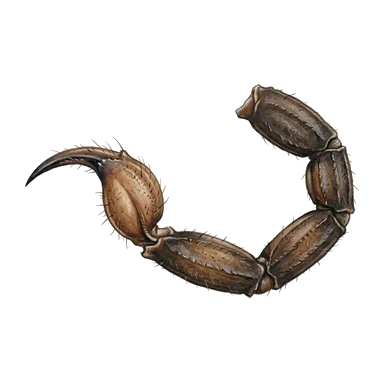 نیش وهي
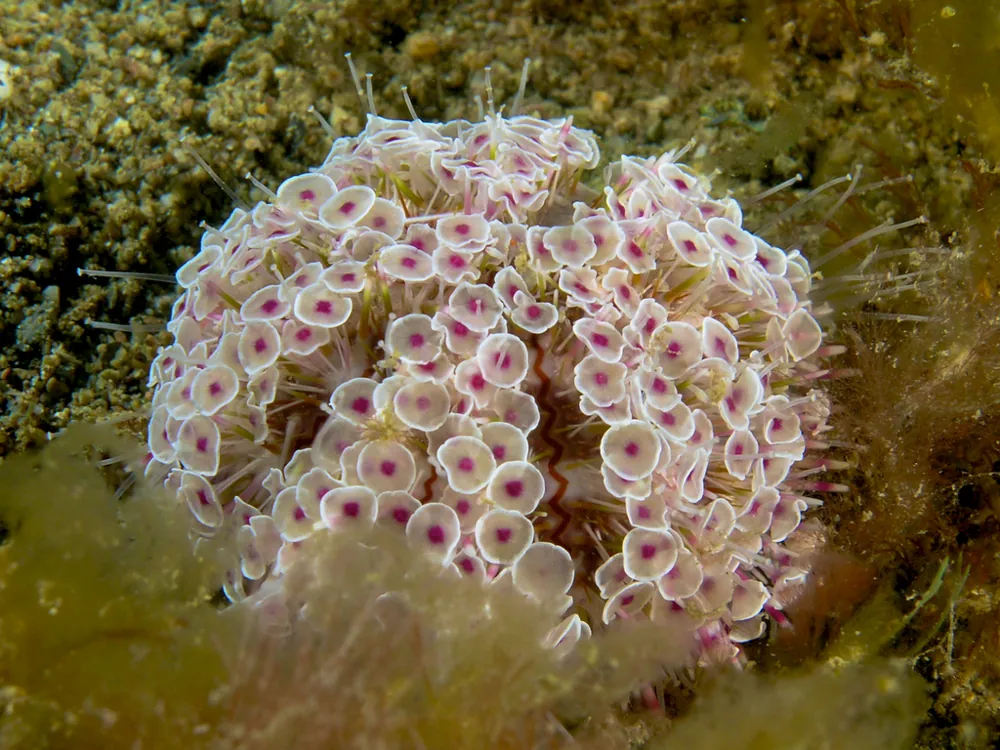
The flower urchin is a sea urchin with flower-shaped claws that can sting. It lives on coral reefs, in seagrass beds and on rocky or sandy sea floors across the Indo-West Pacific. It is one of the sea urchins most likely to cause a painful and medically significant sting.1
 څنګه یې وپېژنې
- Flower-like claws (globiferous pedicellariae) that are pinkish-white to yellowish-white, with a central purple dot and a bright white rim1
- A rigid shell (test) that is deep red and grey, with a purple zigzag pattern along each of the five ambulacral segments; rarely it is greenish or pale purple1
- Short, blunt spines, usually hidden beneath the flower-like claws1
- A body diameter of about 15 to 20 cm1
ډېر ځله ورسره ګډوډ کېږي: Other Toxopneustes urchins look similar. Toxopneustes roseus has a uniform pink, brown or purple test and lives only in the eastern Pacific. Toxopneustes elegans, found only around Japan, has a dark stripe just below the tips of its spines. Toxopneustes maculatus is very rare, known from Réunion, Christmas Island and Palmyra Atoll, and has bright violet on its underside and a violet band around its middle.1
د زهرو ځواک
زهر د نیش له لارې راوځي.
زهر یې (چیچل یا نیش) څه کوي؟
Its venom is made in glands at the base of the flower-like claws, not in the spines. The claws have sharp fang-like tips that can penetrate human skin, and when touched they snap shut and inject venom. The sting is described as extremely painful and medically significant.1
انسانانو ته څومره خطرناک دی؟
انسانانو ته خطر: ډېر خطرناکهغه کس وژلای شي چې درملنه ترلاسه نه کړي.It is considered highly dangerous to people. Its stings are extremely painful and medically significant. Larger individuals with bigger claws are thought to be more dangerous, because the strength of the venom is linked to claw size.1
کله چې ډار شي څه کوي؟
When touched or brushed against, its flower-like claws snap shut and inject venom. The claws can break off and stay attached to the skin, continuing to inject venom for several hours.1
 که نیش ووهي
- ټپ په ګرمو اوبو کې کېږده، دومره ګرمې چې کس یې پرته له سوځېدو زغملای شي، او د اغزیو د ایستلو لپاره طبي مرسته ترلاسه کړه. پخپله یې مه کیندې.
تل لومړی خپلې بیړنۍ شمېرې ته زنګ ووهه (112، 000، 911). دا د لومړنۍ مرستې عمومي لارښوونه ده، طبي مشوره نه ده. د لومړنۍ مرستې بنسټونه
 خوندي اوسه
- هېڅکله ځنګلی ژوی مه لمسوه، مه یې نیسه او مه یې ځوروه، حتی که کوچنی وي، او حتی که ویده یا مړ ښکاري.
- ورته ځای ورکړه. که له یوه سره مخ شوې، ارام اوسه، ورو ورو شاته شه او پرېږده چې خپله لار ولاړ شي.
- که یو نیش درکړي: ارام اوسه، بېحرکته پاتې شه، خپلې بیړنۍ شمېرې ته زنګ ووهه (112، 000، 911) یا ژر روغتون ته ورسېږه. په یاد ولره چې څه ډول ښکارېده، عکس مرسته کوي.
دا ستا پسې نه ګرځي. خپل زهر د خوراک نیولو یا د ځان ساتلو لپاره کاروي، او ډېر غوره ګڼي چې پټ شي. د خوندي پاتې کېدو په اړه نور
په نړۍ کې چېرته؟
څومره لوی دی؟
څومره اوږد دی؟
 د 6 لوبو خښتو هومره اوږد چې په یوه قطار کې وي
 د باغ له حلزون څخه ورو
Flower urchin ستا په پرتله څومره لوی دی؟
یوازې ستا په براوزر کې حساب کتاب. هېڅ شی نه خوندي کېږي او نه چېرته لېږل کېږي.
څومره چټک دی؟

حقیقتونه
Unlike most venomous sea urchins, it does not sting through its spines. Its venom is delivered through the claws.1
A zebra crab, Zebrida adamsii, often lives attached to its shell. The crab is thought to be immune to its venom.1
Its flower-like claws are the source of its common name and are its most striking feature.1
Tiny shrimp, Athanas areteformis, sometimes live among its spines.1
In the seashell trade, its empty shells are called "mushroom urchins" because they look like mushroom caps.1
د افسانو ماتوونکی
افسانه: Sea urchins sting with their spines.
حقیقت: Flower urchins do not deliver venom through their spines. Their venom comes from the flower-like claws, which snap shut and inject it.1
د زهرو د کارپوهانو لپاره
- علمي نوم
- Toxopneustes pileolus
- ډله
- سمندري شکونړي، سمندري ستوري او چینجي
- کورنۍ
- Toxopneustidae2
- ترتیب
- Camarodonta
- وچې
- هند سمندر, ارام سمندر, سره بحیره, مرجاني بحیره, د فیلیپین بحیره, د تیمور او ارافورا بحیره, د بنګال خلیج, سمندرونه
- کوچني ماشومان
- Eggs and sperm are released into the water during mass spawning events, and fertilisation happens outside the body.1
- انسانانو ته خطر
- 4 / 5: ډېر خطرناک3
حقیقتونه له کومه راځي
- Toxopneustes pileolus (Wikipedia (CC BY-SA 4.0))
- Toxopneustes pileolus (iNaturalist): نومونه او ډلبندي.
- Venom Wiki: د خطر کچه، عادي اندازه او د سرعت اټکل زموږ خپل دي. وګوره چې څنګه یې محاسبه کوو: موږ خطر څنګه اندازه کوو.
په دې پاڼه کې هر حقیقت یوه شمېره لري چې خپلې سرچینې ته اشاره کوي. که موږ څه غلط کړي وي، بښنه غواړو، موږ د ژویو مینهوال یو، نه علمي مجله. په [email protected] کې راته ووایه او موږ به یې سم کړو.
 لړم وږی دی! Venom Wiki د یو کس پروژه ده: وړیا، پرته له اعلانونو او تعقیبوونکو. یوه کوچنۍ ډالۍ یې په انټرنېټ کې ساتلو کې مرسته کوي.لړم ته خواړه ورکړه
له همدې ډلې نور: سمندري شکونړي، سمندري ستوري او چینجي
 Crown-of-thorns starfishسمندري شکونړي، سمندري ستوري او چینجيډاکټر ته اړتیا لريمه یې لمسوه
 Fire urchinسمندري شکونړي، سمندري ستوري او چینجيډاکټر ته اړتیا لريمه یې لمسوه
 Bearded firewormسمندري شکونړي، سمندري ستوري او چینجيیوازې درد کويمه یې لمسوه
 Black long-spined urchinسمندري شکونړي، سمندري ستوري او چینجيیوازې درد کويمه یې لمسوه
 Bloodwormسمندري شکونړي، سمندري ستوري او چینجيیوازې درد کوي
 Bobbit wormسمندري شکونړي، سمندري ستوري او چینجيیوازې درد کوي
دلته هم اوسېږي: هند سمندر
 Australian box jellyfishجیليفشونه او سمندري نیش وهونکيوژونکیمه یې لمسوه
 Geography coneمخروطي حلزونونه او اکټوپوسونهوژونکی
 Greater blue-ringed octopusمخروطي حلزونونه او اکټوپوسونهوژونکی
 Southern blue-ringed octopusمخروطي حلزونونه او اکټوپوسونهوژونکی
 Hawksbill sea turtleنور زهري ژويوژلای شي
 Irukandji jellyfishجیليفشونه او سمندري نیش وهونکيوژلای شيمه یې لمسوه