
 افریقا
 اسیا
اسیا اروپا
اروپا سویلي امریکا
 استرالیا او اوقیانوسیه
 انټارکټیکا
 ارام سمندر
 اطلس سمندر
 هند سمندر
 شمالي منجمد سمندر
 مدیترانه بحیره
 سره بحیره
 د کارائیب بحیره
 مرجاني بحیره
 د سویلي چین بحیره
 د فیلیپین بحیره
 د اندامان بحیره
 شمالي بحیره
 د تیمور او ارافورا بحیره
 د بنګال خلیج
 د کالیفورنیا خلیج
Night anemone
 نیش وهونکي تارونه
The night anemone is a sea anemone, a soft animal related to jellyfish that attaches itself to the seabed. It lives in shallow seas in the central Indo-West Pacific, including Indonesia, the Philippines and southern Japan. It is venomous, and its sting can cause a painful injury that lasts a long time.1

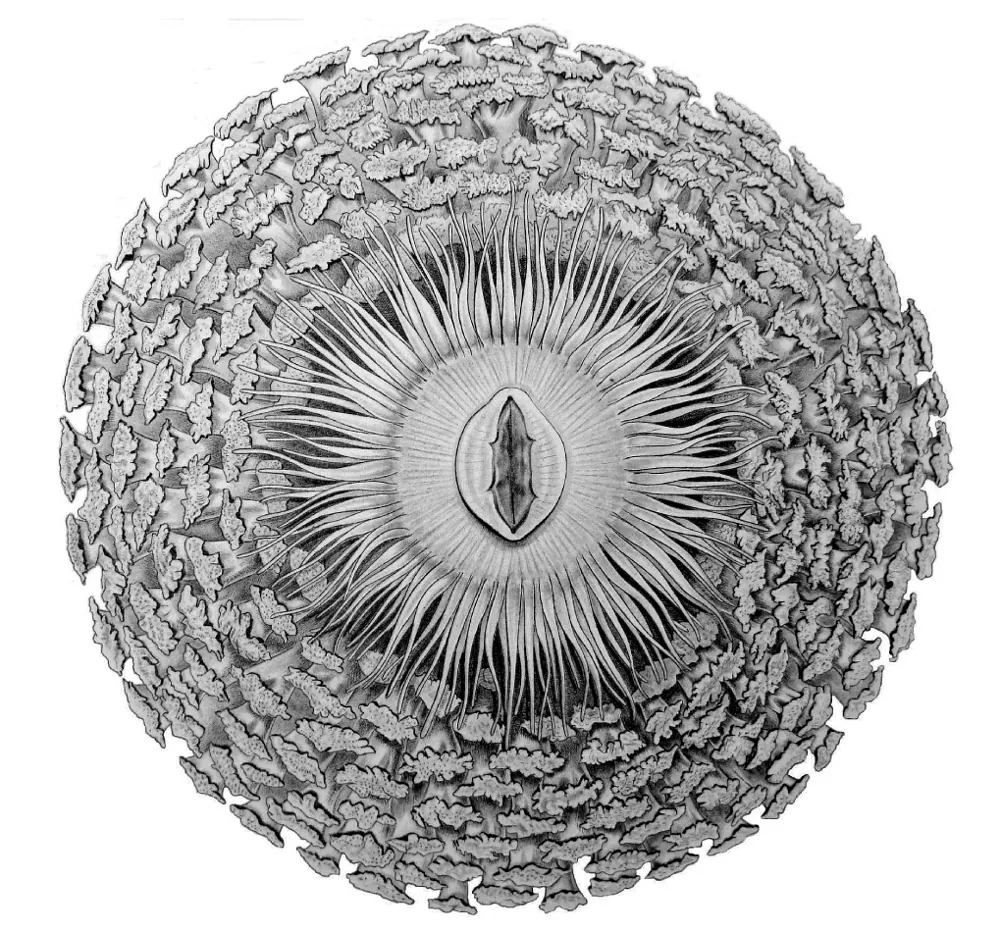
 څنګه یې وپېژنې
- Has a broad base that attaches it to the seabed.1
- Has branching, stalked outgrowths called pseudo-tentacles, which vary a lot between individuals.1
- Some individuals look like smooth discs, branching coral, or dead coral rock covered in algae.1
- The mouth ring has up to 160 long tentacles, seen when it is feeding at night.1
ډېر ځله ورسره ګډوډ کېږي: It is often mistaken for corals, algae or dead coral rock, because it copies their shape and colour. During the day it pulls its mouth and tentacles inside, so it may not look like a sea anemone at all.1
د زهرو ځواک
زرګونه کوچني نیش وهونکي حجرې هغه وخت ډزې کوي چې څه ورسره ولګېږي.
زهر یې (چیچل یا نیش) څه کوي؟
Its venom contains several haemolytic toxins, which break down red blood cells. Human contact can cause severe dermatitis, with swelling and ulceration of the affected skin that may last for months. On rare occasions it causes acute kidney damage, and it is the first sea anemone whose venom has been shown to do this. The venom does not appear to affect other major organs.1
انسانانو ته څومره خطرناک دی؟
انسانانو ته خطر: ډېر خطرناکهغه کس وژلای شي چې درملنه ترلاسه نه کړي.Its sting is painful and long-lasting. On rare occasions it can cause acute kidney damage.1
کله چې ډار شي څه کوي؟
It uses camouflage, mimicry and masquerade to blend into its surroundings, which helps it deceive prey and confuse predators.1
 که نیش ووهي
- له اوبو ووځه او ټول نښتي تارونه (لاسکي) لرې کړه (د دستکشو یا ټوکر سره).
- د استوايي بکس جیليفش لپاره: لږ تر لږه 30 ثانیې پر نیش ځایونو سرکه واچوه، د مرستې لپاره زنګ ووهه او چمتو اوسه چې CPR (د زړه او سږو بیا ژوندي کول) وکړې. د بلوبوټل او نورو ډېرو لپاره: په سمندري اوبو یې ومینځه، بیا د درد لپاره ګرمې اوبه.
تل لومړی خپلې بیړنۍ شمېرې ته زنګ ووهه (112، 000، 911). دا د لومړنۍ مرستې عمومي لارښوونه ده، طبي مشوره نه ده. د لومړنۍ مرستې بنسټونه
 خوندي اوسه
- هېڅکله ځنګلی ژوی مه لمسوه، مه یې نیسه او مه یې ځوروه، حتی که کوچنی وي، او حتی که ویده یا مړ ښکاري.
- ورته ځای ورکړه. که له یوه سره مخ شوې، ارام اوسه، ورو ورو شاته شه او پرېږده چې خپله لار ولاړ شي.
- که یو نیش درکړي: ارام اوسه، بېحرکته پاتې شه، خپلې بیړنۍ شمېرې ته زنګ ووهه (112، 000، 911) یا ژر روغتون ته ورسېږه. په یاد ولره چې څه ډول ښکارېده، عکس مرسته کوي.
دا ستا پسې نه ګرځي. خپل زهر د خوراک نیولو یا د ځان ساتلو لپاره کاروي، او ډېر غوره ګڼي چې پټ شي. د خوندي پاتې کېدو په اړه نور
په نړۍ کې چېرته؟
څومره لوی دی؟
څومره اوږد دی؟
 د 5 لوبو خښتو هومره اوږد چې په یوه قطار کې وي
 د باغ له حلزون څخه ورو
Night anemone ستا په پرتله څومره لوی دی؟
یوازې ستا په براوزر کې حساب کتاب. هېڅ شی نه خوندي کېږي او نه چېرته لېږل کېږي.
څومره چټک دی؟


حقیقتونه
It was the first sea anemone found to have venom that damages the kidneys and can cause acute renal failure.1
Its venom kills shrimp and breaks down sheep red blood cells in laboratory tests.1
Its pseudo-tentacles contain symbiotic dinoflagellates, tiny organisms that photosynthesise, so it gets some energy from light.1
It hides its tentacles and mouth during the day, when it spreads out its pseudo-tentacles to catch sunlight.1
د زهرو د کارپوهانو لپاره
- علمي نوم
- Phyllodiscus semoni
- ډله
- جیليفشونه او سمندري نیش وهونکي
- کورنۍ
- Aliciidae2
- ترتیب
- Actiniaria
- وچې
- هند سمندر, ارام سمندر, سره بحیره, د تیمور او ارافورا بحیره, سمندرونه
- کوچني ماشومان
- Colonies are likely clones formed by asexual reproduction, possibly by fragmentation when the anemone moves across the seabed.1
- انسانانو ته خطر
- 4 / 5: ډېر خطرناک3
حقیقتونه له کومه راځي
- Phyllodiscus (Wikipedia (CC BY-SA 4.0))
- Phyllodiscus semoni (iNaturalist): نومونه او ډلبندي.
- Venom Wiki: د خطر کچه، عادي اندازه او د سرعت اټکل زموږ خپل دي. وګوره چې څنګه یې محاسبه کوو: موږ خطر څنګه اندازه کوو.
په دې پاڼه کې هر حقیقت یوه شمېره لري چې خپلې سرچینې ته اشاره کوي. که موږ څه غلط کړي وي، بښنه غواړو، موږ د ژویو مینهوال یو، نه علمي مجله. په [email protected] کې راته ووایه او موږ به یې سم کړو.
 لړم وږی دی! Venom Wiki د یو کس پروژه ده: وړیا، پرته له اعلانونو او تعقیبوونکو. یوه کوچنۍ ډالۍ یې په انټرنېټ کې ساتلو کې مرسته کوي.لړم ته خواړه ورکړه
له همدې ډلې نور: جیليفشونه او سمندري نیش وهونکي
 Australian box jellyfishجیليفشونه او سمندري نیش وهونکيوژونکیمه یې لمسوه
 Irukandji jellyfishجیليفشونه او سمندري نیش وهونکيوژلای شيمه یې لمسوه
 Portuguese man o' warجیليفشونه او سمندري نیش وهونکيډاکټر ته اړتیا لريمه یې لمسوه
 Lion's mane jellyfishجیليفشونه او سمندري نیش وهونکيیوازې درد کويمه یې لمسوه
 Moon jellyfishجیليفشونه او سمندري نیش وهونکيبېضرره
 Common kingslayerجیليفشونه او سمندري نیش وهونکيوژلای شيمه یې لمسوه
دلته هم اوسېږي: هند سمندر
 Geography coneمخروطي حلزونونه او اکټوپوسونهوژونکی
 Greater blue-ringed octopusمخروطي حلزونونه او اکټوپوسونهوژونکی
 Southern blue-ringed octopusمخروطي حلزونونه او اکټوپوسونهوژونکی
 Hawksbill sea turtleنور زهري ژويوژلای شي
 Reef stonefishزهرجن کبانوژلای شيمه یې لمسوه
 Crown-of-thorns starfishسمندري شکونړي، سمندري ستوري او چینجيډاکټر ته اړتیا لريمه یې لمسوه