
 África
 Ásia
Ásia Europa
 América do Sul
 Austrália e Oceânia
 Antártida
 Oceano Pacífico
 Oceano Atlântico
 Oceano Índico
 Oceano Ártico
 Mar Mediterrâneo
 Mar Vermelho
 Mar das Caraíbas
 Mar de Coral
 Mar da China Meridional
 Mar das Filipinas
 Mar de Andamão
 Mar do Norte
 Mar de Timor e de Arafura
 Golfo de Bengala
 Golfo da Califórnia
Common toad
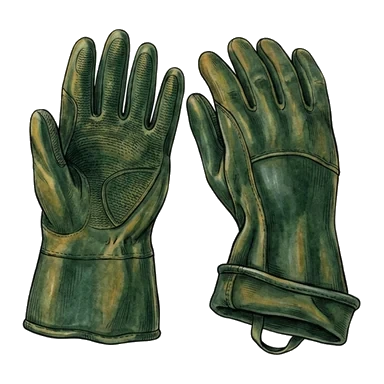 Veneno na pele
The common toad is a stout, warty toad that lives across most of Europe, in western North Asia and in a small part of northwest Africa. It hides under stones and leaves by day and hunts slugs, beetles and worms at night. Its skin releases a foul-tasting toxin that helps protect it from predators.1
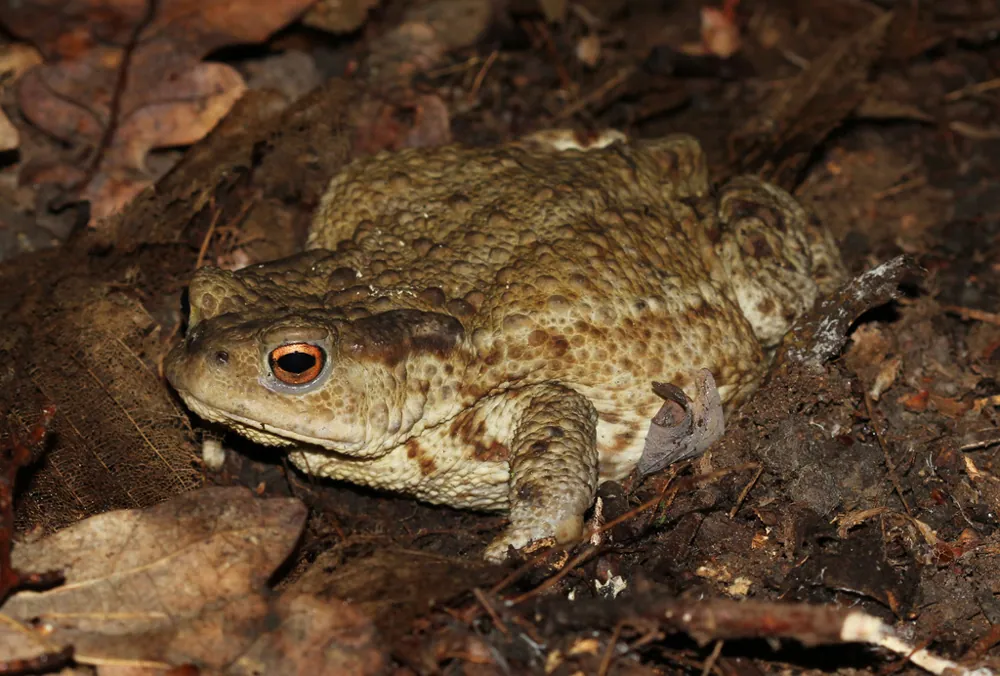
 Como reconhecê-lo
- Greyish-brown, olive-brown or brown skin covered in small, wart-like lumps1
- Bulging paratoid glands just behind the eyes, which are a clear sign of a toad1
- Yellow or copper-coloured eyes with horizontal, slit-shaped pupils1
- No tail, no teeth, and no neck visible between the head and body1
- Walks slowly or makes short shuffling hops, rather than leaping1
Muitas vezes confundido com: The natterjack toad is usually smaller and has a yellow band down its back. The European green toad has a distinctive mottled pattern. The paratoid glands of both of these run parallel to each other, not slanting as in the common toad. The common frog has a less rounded snout, damp smooth skin, and usually leaps.1
Poder tóxico
A pele é venenosa. É perigoso tocar-lhe, lambê-lo ou comê-lo.
O que faz a sua toxina?
The toad is poisonous rather than venomous, so it does not inject venom. Its paratoid glands and other skin glands secrete a noxious, foul-tasting substance containing bufotoxin, which is enough to deter many predators. Grass snakes seem to be unaffected by it.1
Quão perigoso é para as pessoas?
Perigo para as pessoas: DolorosoPode doer muito, mas quase nunca é grave.O que faz quando tem medo?
When attacked, it inflates its body and stands with its hindquarters raised and its head lowered.1
 Se alguém lhe tocou ou o comeu
- Se alguém lhe tocou: lava bem as mãos e não toques nos olhos nem na boca. Se uma criança ou um animal o lambeu ou comeu: liga para o centro antivenenos ou para o número de emergência.
Liga sempre primeiro para o teu número de emergência (112, 000, 911). Isto são orientações gerais de primeiros socorros, não conselho médico. Primeiros socorros básicos
 Fica em segurança
- Nunca toques, apanhes ou provoques um animal selvagem, mesmo pequeno, e mesmo que pareça a dormir ou morto.
- Dá-lhe espaço. Se encontrares um, mantém a calma, recua devagar e deixa-o seguir o seu caminho.
- Se lhe tocaste ou o comeste: não esfregues os olhos nem a boca, lava as mãos e procura ajuda médica.
Não anda atrás de ti. O veneno só existe para que nada o coma. Mais sobre como estar seguro
Que tamanho tem?
Quanto mede?
 tão comprido como 5 peças de construção em fila
 conseguia percorrer 100 metros em 180 segundos (o humano mais rápido precisa de 9,6)
Que tamanho tem Common toad comparado contigo?
São só contas no teu navegador. Nada é guardado nem enviado para lado nenhum.
Quão rápido é?


Factos
Common toads have been recorded at depths of about 99 m in Loch Ness, Scotland, which surprised researchers because it is an air-breathing animal.1
Crows have been seen puncturing the toad's skin and pecking out its liver to avoid the toxin.1
They can live for about ten to twelve years in the wild and have survived for fifty years in captivity.1
Toads can see prey in low light where humans cannot see anything.1
Adults often return to the same breeding pond year after year, and over 80% of males marked as juveniles were found to return to the pond where they were spawned.1
Para especialistas em veneno
- Nome científico
- Bufo bufo
- Grupo
- Rãs venenosas, sapos e tritões
- Família
- Bufonidae2
- Ordem
- Anura
- Continentes
- Europa, Ásia
- Crias
- The female lays eggs in gelatinous strings in the water. These hatch into tadpoles, which take several months to grow and sprout limbs before becoming tiny toads.1
- Esperança de vida
- cerca de 10 anos1
- Como está na natureza
- Least Concern1
- Perigo para as pessoas
- 2 / 5: Doloroso3
De onde vêm os factos
- Common toad (Wikipedia (CC BY-SA 4.0))
- Bufo bufo (iNaturalist): nomes e classificação.
- Venom Wiki: o nível de perigo, o tamanho típico e a velocidade estimada são nossos. Vê como os calculamos: Como avaliamos o perigo.
Cada facto desta página tem um número que aponta para a sua fonte. Se nos enganámos em alguma coisa, desculpa, somos fãs de animais, não uma revista científica. Diz-nos em [email protected] e nós corrigimos.
 O escorpião tem fome! A Venom Wiki é um projeto de uma só pessoa: gratuito, sem anúncios e sem rastreadores. Uma pequena gorjeta ajuda a mantê-la online.Alimenta o escorpião
Mais do mesmo grupo: Rãs venenosas, sapos e tritões
 Fire salamanderRãs venenosas, sapos e tritõesSó dóiNão tocar
 Japanese fire-bellied newtRãs venenosas, sapos e tritõesPrecisa de médicoNão tocar
 European fire-bellied toadRãs venenosas, sapos e tritõesInofensivo
 Iberian ribbed newtRãs venenosas, sapos e tritõesInofensivo
 Natterjack toadRãs venenosas, sapos e tritõesInofensivo
 Oriental fire-bellied toadRãs venenosas, sapos e tritõesInofensivo
 Common European adder
 Spanish fly
 Common wasp
 European hornet
 Western honey bee
 Blunt-nosed viper