
 Africa
 Asia
Asia Europa
 America dal Sid
 Australia ed Oceania
 Antarctica
 Ocean Pacific
 Ocean Atlantic
 Ocean Indic
 Ocean Arctic
 Mar Mediterran
 Mar Cotschen
 Mar Caribic
 Mar da Coral
 Mar da la China dal Sid
 Mar da las Filippinas
 Mar d'Andaman
 Mar dal Nord
 Mar da Timor e d'Arafura
 Golf dal Bengal
 Golf da California
Common krait
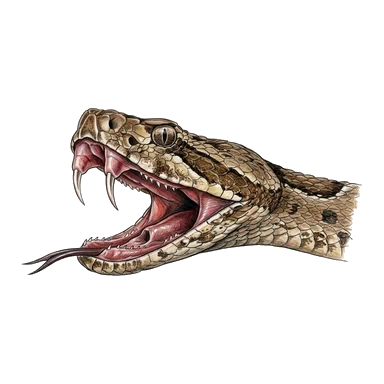 Morsas
The common krait is a highly venomous snake that lives across South Asia. It is shiny black or bluish-black with thin white crossbands. It causes more medically significant snakebites in the Indian subcontinent than any other snake, so knowing what it looks like matters.1
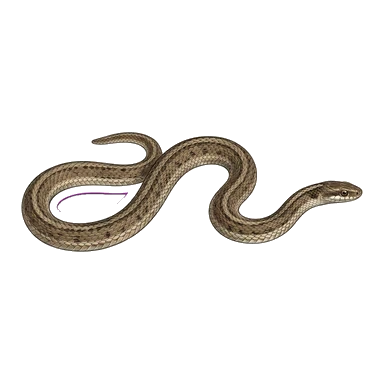
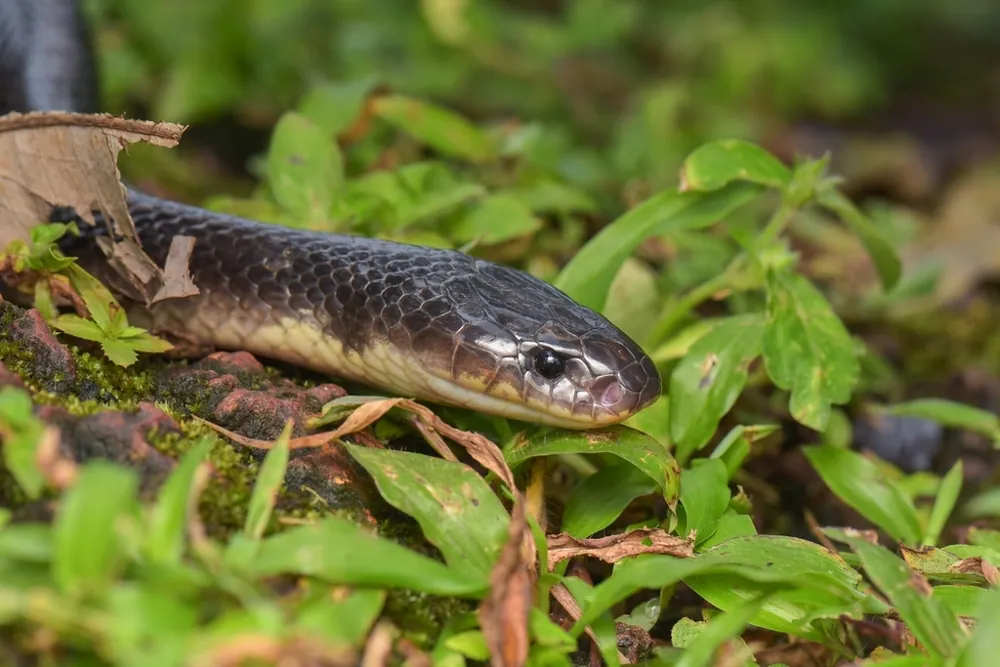
 Co renconuscher el
- Body is generally black or bluish-black.1
- About 40 thin, white crossbars run along the body. They may be faint or missing near the head in adults.1
- Young snakes have clear, well-defined crossbands, even near the head.1
- Older snakes may show the white lines as a series of connected spots.1
- The head is flat, the neck is hardly visible, and the tail is short and rounded.1
Forza dal tissi
Il tissi vegn or tras ses dents da tissi u ses dents, cura ch'el morda.
Tge fa ses tissi?
Its venom is neurotoxic, meaning it attacks the nerves. It blocks signals between nerves and muscles, which leads to progressive paralysis. Victims often have severe abdominal cramps and shortness of breath. Death from respiratory failure, meaning the breathing muscles stop working, may follow in about 4 to 8 hours if untreated.1
Quant privlus è el per umans?
Privel per umans: MortalIn dals animals ils pli privlus dal mund.It is responsible for the majority of medically significant snakebites in the Indian subcontinent. A clinical toxicology study reports an untreated mortality rate of 70 to 80 per cent. Bites often happen at night, when people are sleeping on the ground. The bite may cause little or no pain, which can delay treatment.1
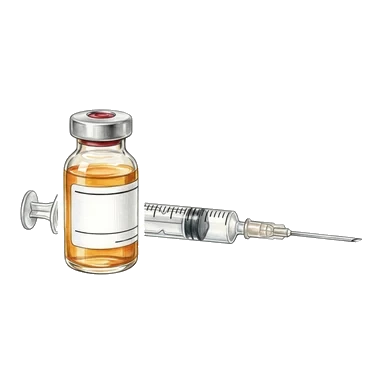 Bunas novitads: ils medis han in medicament (antiserum) u in tractament per quai.1
Tge fa el, cura ch'el ha tema?
When threatened, it coils tightly with its head tucked underneath, may flatten its body, or makes sudden movements as a warning. It rarely bites unless provoked, but it can be more aggressive at night if disturbed.1
 Sch'el morda
- The main treatment is antivenom given in hospital. It should be given promptly, because it becomes less effective once paralysis has set in. Get medical help straight away after any suspected bite, even if there is little pain or swelling.1
- Tegna la persuna immobila e quieta, prenda giu anels e chaussas strenschidas e va spert en in ospital: l'antiserum è il tractament.
Clama adina l'emprim tes numer d'urgenza (112, 000, 911). Quai è in cussegl general d'emprim agid, betg in cussegl medicinal. Basa da l'emprim agid
 Resta en segirezza
- Na tutga, na piglia e na tizza mai in animal selvadi, gnanc in pitschen, ed era sch'el para da durmir u d'esser mort.
- Dà spazi a l'animal. Sche ti scuntras in, resta calm, va plaun enavos e lascha ir el per sia via.
- Sch'in tal animal ta morda: resta calm, na ta mova betg, clama tes numer d'urgenza (112, 000, 911) u va spert en in ospital. Ta regorda co ch'el veseva or, ina foto gida.
El n'ha betg quai sin tai. El dovra ses tissi per pigliar nutriment u per sa defender, e sa zuppa bler pli gugent. Dapli davart la segirezza
Quant grond è el?
Quant lung è el?
 uschè lung sco 4 giats da chasa dal nas fin a la cua
 uschè lung sco 10 bananas ina suenter l'autra
 pudess currer 100 meters en 52 secundas (l'uman il pli svelt dovra 9,6)
Quant grond è Common krait cumpareglià cun TAI?
Mo matematica en tes navigatur. Nagut na vegn memorisà u tramess.
Quant svelt è el?


Fatgs
A bite from this snake often causes little or no pain and almost no swelling or bleeding, which can make it hard to find the bite mark.1
Its venom is one of the most potent of any Indian snake, and the estimated lethal dose for a human is 2 to 3 mg.1
Its venom contains no clotting or tissue-destroying agents, which is why there is no local damage at the bite site.1
Neostigmine, a drug that works against cobra venom, does not work against common krait venom.1
It is mostly active at night and rarely meets people during the day.1
Its stable population has been helped by its ability to adapt to farmland and villages.1
Destructur da mits
Mit: A bite that does not hurt is harmless.
Vardad: The bite often causes little pain, but severe paralysis and breathing failure can follow. The lack of pain can give false reassurance.1
Per experts da tissi
- Num scientific
- Bungarus caeruleus
- Gruppa
- Cobras, mambas e kraits
- Famiglia
- Elapidae2
- Urden
- Squamata
- Continents
- Asia
- Poppins
- It lays 5 to 15 eggs in leaf litter or burrows. The female guards the eggs until they hatch after about 60 days. Hatchlings are fully independent and already carry venom.1
- Privel per umans
- 5 / 5: Mortal3
Da nua che vegnan ils fatgs
- Common krait (Wikipedia (CC BY-SA 4.0))
- Bungarus caeruleus (iNaturalist): nums e classificaziun.
- Venom Wiki: il stgalim da privel, la grondezza tipica e la stima da la sveltezza èn noss agens. Guarda co che nus als calculain: Co che nus valitain il privel.
Mintga fatg sin questa pagina ha in numer che renvia a sia funtauna. Sche nus avain fatg in sbagl, perstgisa, nus essan fans d'animals, betg ina revista scientifica. Scriva a nus a [email protected] e nus curregin.
 Il scorpiun ha fom! Venom Wiki è in project d'ina suletta persuna: gratuit, senza reclama e senza trackers. In pitschen bunamaun gida a tegnair el online.Pavlar il scorpiun
 Indian cobra
 King cobra
 Caspian cobra
 Malayan krait
 Many-banded krait
 Monocled cobra
 Deathstalker
 Indian saw-scaled viper
 Puff adder
 Russell's viper
 Asian giant hornet
 Komodo dragon