
 Afurika
 Aziya
Aziya Uburayi
 Amerika y'Amajyepfo
 Ositaraliya na Oseyaniya
 Antaragitika
 Inyanja ya Pasifika
 Inyanja ya Atalantika
 Inyanja y'Abahinde
 Inyanja ya Arigitika
 Inyanja ya Mediterane
 Inyanja Itukura
 Inyanja ya Karayibe
 Inyanja ya Korali
 Inyanja y'Amajyepfo y'u Bushinwa
 Inyanja ya Filipine
 Inyanja ya Andamani
 Inyanja y'Amajyaruguru
 Inyanja ya Timor na Arafura
 Ikigobe cya Bengali
 Ikigobe cya Kaliforuniya
Buck moth
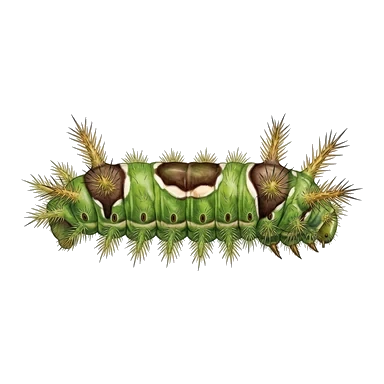 Ubwoya buryana
The buck moth is a common North American moth. Its caterpillars are covered in spines that can break off and sting people, so it is good to know what they look like. The caterpillars live on oak trees in eastern parts of the United States, and can also be found in cities.1

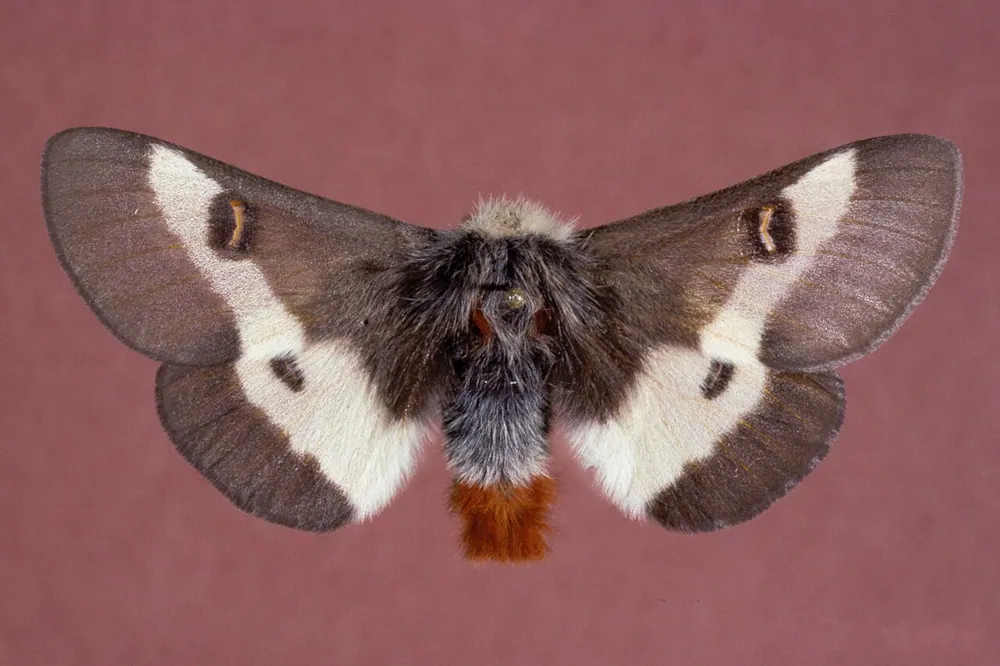
 Uko wayimenya
- Adult moths are dark grey to almost black, with a white band across each wing that has a distinctive eyespot on it.1
- Adult females have an all-black body. Males are black except for a rusty red abdomen (the rear part of the body).1
- Adults have black legs with small red cuffs near the top, where the leg joins the body.1
- Young caterpillars are completely black. Older caterpillars become lighter, and some look almost white.1
- Caterpillars are covered in spines. The spines on the top of the body are longer, more numerous and arranged in rows. Fully grown caterpillars reach about 2.5 inches (6.35 cm).1
Imbaraga z'ubumara
Ubwoya buto cyane cyangwa uduhwa ducika tukaguma mu ruhu tukaryana.
Ubumara bwayo bukora iki?
The spines of the caterpillar are hollow and attached to a poison sac, and small toxic glands along the sides of the body hold the venom. When the spines break off and get into the skin, they can cause stinging, itching and burning, with large red welts. In some people the reaction can lead to anaphylactic shock, a severe allergic reaction that needs urgent medical care. Nausea is also listed as a possible symptom.1
Iteje akaga kangana iki ku bantu?
Akaga ku bantu: IrababazaIshobora kubabaza cyane, ariko hafi ya buri gihe nta kibazo gikomeye biteza.An increasing number of people each season are stung by these caterpillars, and many of them see a doctor for dermatitis (swelling and inflammation of the skin). Stings are most common where caterpillars have moved into urban areas. Some people are at risk of a severe allergic reaction.1
Ikora iki iyo ifite ubwoba?
The caterpillars use their spines as a defence against predators and when they feel in danger. The spines can easily break off when the caterpillar is handled roughly or brushed against.1
 Niba ukoze ku bwoya bwayo
- Ku bwoya bw'ibinyabwoya biryana: bukureho ukoresheje sikoci ifata, hanyuma woze uruhu. Ntugakube.
- Iyo yarumye: oza aho yarumye kandi uhakonjeshe. Shaka ubufasha bwa muganga niba umuntu yumva atameze neza cyangwa ava amaraso byoroshye.
Buri gihe banza uhamagare nimero y'ubutabazi (112, 000, 911). Izi ni inama rusange z'ubutabazi bw'ibanze, si inama za muganga. Ibanze by'ubutabazi bw'ibanze
 Irinde akaga
- Ntuzigere ukora, ufata cyangwa ushotora inyamaswa yo mu gasozi, nubwo yaba ntoya, kandi nubwo yasa n'isinziriye cyangwa yapfuye.
- Yihe umwanya. Niba uhuye n'imwe, tuza, usubire inyuma buhoro buhoro kandi uyireke yigendere.
- Niba ukoze ku bwoya bwayo: tuza, ntunyeganyege, hamagara nimero y'ubutabazi (112, 000, 911) cyangwa ujye ku bitaro vuba. Ibuka uko yasaga, ifoto irafasha.
Ntigushakisha ngo ikugirire nabi. Ikoresha ubumara bwayo kugira ngo ifate ibyo kurya cyangwa yirinde, kandi ikunda cyane kwihisha. Ibindi ku kwirinda
Ingana gute?
Ireshya ite?
 ireshya n'ibice 2 by'ibikinisho byo kubaka biri ku murongo
 itinda kurusha ikinyamushongo cyo mu murima
Buck moth ingana ite ugereranyije NAWE?
Ni imibare gusa ikorerwa muri mudasobwa yawe. Nta kintu kibikwa cyangwa cyoherezwa ahandi.
Yihuta gute?

Ibintu by'ukuri
Adult buck moths have no mouthparts, so they cannot eat. They live only long enough to find a mate and lay eggs.1
Newly hatched caterpillars march in a straight line, following one leader. If the leader is removed, the group becomes confused and restless until it either returns or the group chooses a new leader.1
Before they pupate, some buck moths can stay in the pupa stage for up to two years before emerging as adults.1
Females release a chemical scent, called a pheromone, to attract males. Males that fly erratically are responding to this scent.1
Ku bahanga mu by'ubumara
- Izina rya siyansi
- Hemileuca maia
- Itsinda
- Ibinyabwoya n'udukoko
- Umuryango
- Saturniidae2
- Itsinda rinini (order)
- Lepidoptera
- Imigabane
- Amerika y'Amajyaruguru
- Abana bato
- Females lay about 150 eggs per generation in a tight ring around an oak twig, and the eggs stay there through the winter until spring.1
- Uko imeze mu gasozi
- Endangered in Connecticut for the narrower subspecies Hemileuca maia maia1
- Akaga ku bantu
- 2 / 5: Irababaza3
Aho ibintu bivugwa bituruka
- Buck moth (Wikipedia (CC BY-SA 4.0))
- Hemileuca maia (iNaturalist): amazina n'ibyiciro.
- Venom Wiki: urwego rw'akaga, ingano isanzwe n'ikigereranyo cy'umuvuduko ni ibyacu bwite. Reba uko tubibara: Uko tugena akaga.
Buri kintu kivugwa kuri iyi paji gifite nimero yerekana aho cyavuye. Niba twibeshye, tubabarire, turi abakunzi b'inyamaswa, ntituri ikinyamakuru cya siyansi. Tubwire kuri [email protected] tuzabikosora.
 Sikorupiyo irashonje! Venom Wiki ni umushinga w'umuntu umwe: ni ubuntu, nta matangazo kandi nta bikurikirana abantu. Impano ntoya ifasha kugira ngo ikomeze kuboneka kuri interineti.Gaburira sikorupiyo
Izindi zo mu itsinda rimwe: Ibinyabwoya n'udukoko
 Giant water bugIbinyabwoya n'udukokoIrababaza gusa
 Puss caterpillarIbinyabwoya n'udukokoIrababaza gusaNtukayikoreho
 Saddleback caterpillarIbinyabwoya n'udukokoIrababaza gusaNtukayikoreho
 Wheel bugIbinyabwoya n'udukokoIrababaza gusa
 Giant vinegaroonIbinyabwoya n'udukokoNtacyo itwaye
 Rhodnius kissing bugIbinyabwoya n'udukokoBisaba muganga
 Terciopelo
 Eastern coral snake
 Eastern diamondback rattlesnake
 Eyelash viper
 Timber rattlesnake
 Western diamondback rattlesnake