
 Afurika
 Aziya
Aziya Uburayi
 Amerika y'Amajyepfo
 Ositaraliya na Oseyaniya
 Antaragitika
 Inyanja ya Pasifika
 Inyanja ya Atalantika
 Inyanja y'Abahinde
 Inyanja ya Arigitika
 Inyanja ya Mediterane
 Inyanja Itukura
 Inyanja ya Karayibe
 Inyanja ya Korali
 Inyanja y'Amajyepfo y'u Bushinwa
 Inyanja ya Filipine
 Inyanja ya Andamani
 Inyanja y'Amajyaruguru
 Inyanja ya Timor na Arafura
 Ikigobe cya Bengali
 Ikigobe cya Kaliforuniya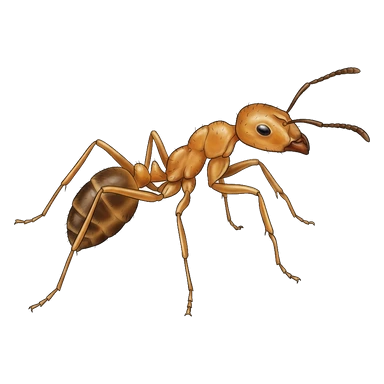
Electric ant
 Itera urubori
The electric ant, also called the little fire ant, is a tiny ant, about 1.5 mm long, that can give a surprisingly painful sting. It first lived in Central and South America, but it has spread to many other parts of the world. It is an invasive species that harms native wildlife, crops and pets.1



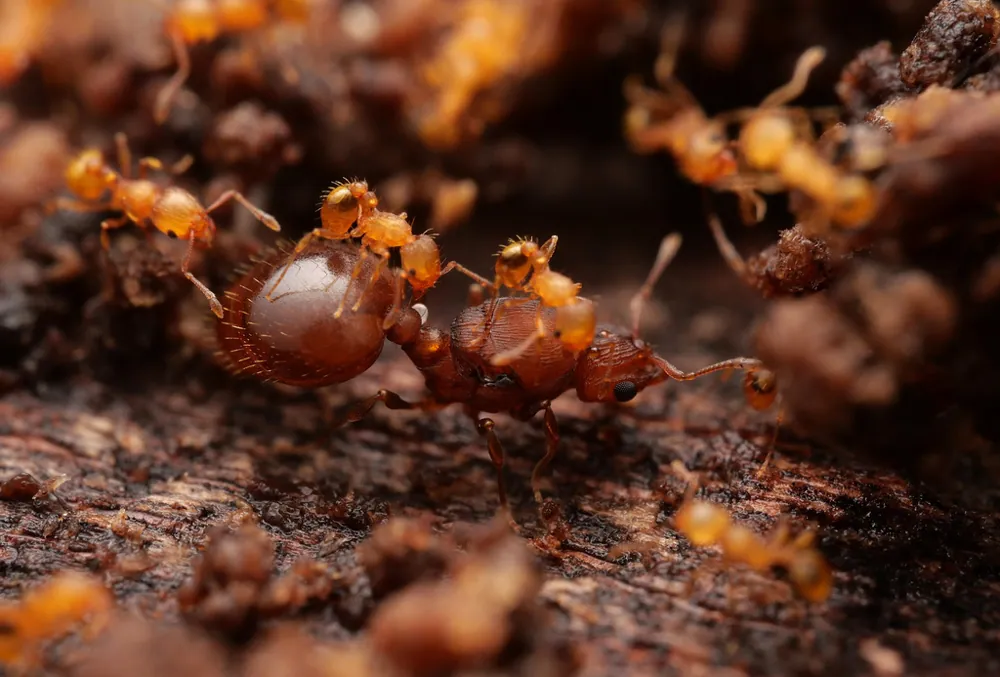
 Uko wayimenya
Imbaraga z'ubumara
Ubumara busohokera mu rubori.
Ubumara bwayo bukora iki?
It has a venomous sting that is painful for its size. Stings cause itchy, painful welts up to about 2.5 cm long. The sting can also subdue large insects and vertebrate prey.1
Iteje akaga kangana iki ku bantu?
Akaga ku bantu: IrababazaIshobora kubabaza cyane, ariko hafi ya buri gihe nta kibazo gikomeye biteza.The ants will readily attack people, and their stings can be painful out of proportion to their size. They can blind pets and large domestic animals, such as cats and dogs, if stung around the eyes. They also harm farming, by stripping nutrients from crops and making them more open to disease and pests.1
 Niba itera urubori
- Oza aho zateye urubori kandi uhakonjeshe.
- Niba umuntu ahumeka bimugoye, akabyimba mu maso cyangwa mu muhogo, cyangwa akumva agiye guta ubwenge, ni ikibazo cyihutirwa cya aleriji: hamagara nimero y'ubutabazi.
Buri gihe banza uhamagare nimero y'ubutabazi (112, 000, 911). Izi ni inama rusange z'ubutabazi bw'ibanze, si inama za muganga. Ibanze by'ubutabazi bw'ibanze
 Irinde akaga
- Ntuzigere ukora, ufata cyangwa ushotora inyamaswa yo mu gasozi, nubwo yaba ntoya, kandi nubwo yasa n'isinziriye cyangwa yapfuye.
- Yihe umwanya. Niba uhuye n'imwe, tuza, usubire inyuma buhoro buhoro kandi uyireke yigendere.
- Niba imwe igutereye urubori: tuza, ntunyeganyege, hamagara nimero y'ubutabazi (112, 000, 911) cyangwa ujye ku bitaro vuba. Ibuka uko yasaga, ifoto irafasha.
Ntigushakisha ngo ikugirire nabi. Ikoresha ubumara bwayo kugira ngo ifate ibyo kurya cyangwa yirinde, kandi ikunda cyane kwihisha. Ibindi ku kwirinda
Ingana gute?
Ireshya ite?
 ntoya ku buryo yakwicara ku nzara yawe
 itinda kurusha ikinyamushongo cyo mu murima
Electric ant ingana ite ugereranyije NAWE?
Ni imibare gusa ikorerwa muri mudasobwa yawe. Nta kintu kibikwa cyangwa cyoherezwa ahandi.
Yihuta gute?

Ibintu by'ukuri
In the Galapagos Islands, it is considered one of the most aggressive introduced species, and it has contributed to declines in tortoise populations by eating hatchlings and attacking adult eyes.1
Its sting is painful far out of proportion to its tiny size.1
Queens can produce daughters that are genetic copies of themselves, while workers are produced sexually.1
It has been found in cold places such as Canada and England, where it survives in large buildings and greenhouses.1
It is a suspected link to Florida keratopathy, an eye condition, although this is not confirmed.1
It was once introduced to plantations in Gabon and Cameroon as a biological control agent.1
Ku bahanga mu by'ubumara
- Izina rya siyansi
- Wasmannia auropunctata
- Itsinda
- Ibimonyo
- Umuryango
- Formicidae2
- Itsinda rinini (order)
- Hymenoptera
- Imigabane
- Amerika y'Amajyaruguru, Amerika y'Amajyepfo
- Abana bato
- Queens produce new queens without mating (parthenogenesis), while sterile workers usually come from eggs fertilised by males.1
- Akaga ku bantu
- 2 / 5: Irababaza3
Aho ibintu bivugwa bituruka
- Electric ant (Wikipedia (CC BY-SA 4.0))
- Wasmannia auropunctata (iNaturalist): amazina n'ibyiciro.
- Venom Wiki: urwego rw'akaga, ingano isanzwe n'ikigereranyo cy'umuvuduko ni ibyacu bwite. Reba uko tubibara: Uko tugena akaga.
Buri kintu kivugwa kuri iyi paji gifite nimero yerekana aho cyavuye. Niba twibeshye, tubabarire, turi abakunzi b'inyamaswa, ntituri ikinyamakuru cya siyansi. Tubwire kuri [email protected] tuzabikosora.
 Sikorupiyo irashonje! Venom Wiki ni umushinga w'umuntu umwe: ni ubuntu, nta matangazo kandi nta bikurikirana abantu. Impano ntoya ifasha kugira ngo ikomeze kuboneka kuri interineti.Gaburira sikorupiyo
 Bullet ant
 Red imported fire ant
 Army ant
 Giant Amazonian ant
 Maricopa harvester ant
 Trap-jaw ant
 Terciopelo
 Eastern coral snake
 Eastern diamondback rattlesnake
 Eyelash viper
 Timber rattlesnake
 Western diamondback rattlesnake