
 Afurika
 Aziya
Aziya Uburayi
 Amerika y'Amajyepfo
 Ositaraliya na Oseyaniya
 Antaragitika
 Inyanja ya Pasifika
 Inyanja ya Atalantika
 Inyanja y'Abahinde
 Inyanja ya Arigitika
 Inyanja ya Mediterane
 Inyanja Itukura
 Inyanja ya Karayibe
 Inyanja ya Korali
 Inyanja y'Amajyepfo y'u Bushinwa
 Inyanja ya Filipine
 Inyanja ya Andamani
 Inyanja y'Amajyaruguru
 Inyanja ya Timor na Arafura
 Ikigobe cya Bengali
 Ikigobe cya Kaliforuniya
Nayarit scorpion
 Itera urubori
The Nayarit scorpion is a small, dark scorpion from Mexico. It hides under debris and in loose tree bark during the night. It is one of the most venomous scorpions in Mexico, so it is important to know what it looks like and to avoid being stung.1


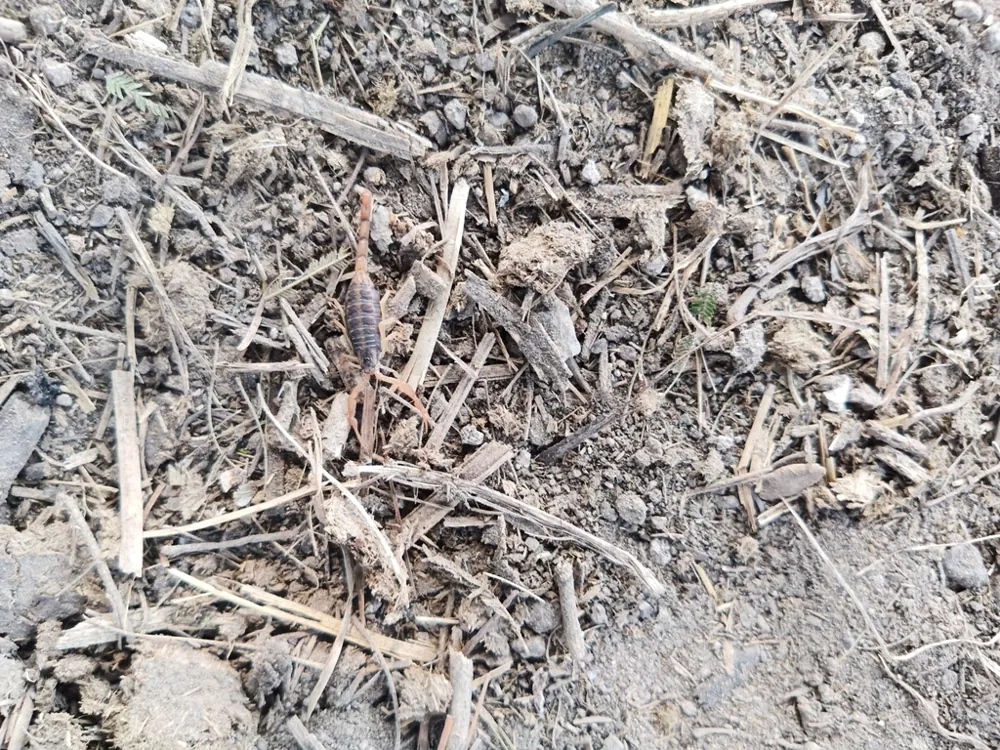
 Uko wayimenya
- Adults grow to between 3.5 and 5 cm long.1
- The body is dark, usually black or brown.1
- The legs and pedipalps (the front, claw-like limbs) are generally lighter in colour.1
- It has no fixed colour pattern, and some individuals have other colours.1
- It is mostly active at night and hides in litter, debris, or loose bark of trees and bushes during the day.1
Imbaraga z'ubumara
Ubumara busohokera mu rubori.
Ubumara bwayo bukora iki?
Its venom contains highly lethal neurotoxins for mammals, which are toxins that attack the nervous system. The venom attacks sodium and potassium channels, which are the gates that control electrical signals in nerves and muscles. In severe cases, this can stop the respiratory system and the heart from working. Two peptide toxins (small protein-based toxins) have been identified in the venom: noxiustoxin and Cn2 toxin.1
Iteje akaga kangana iki ku bantu?
Akaga ku bantu: Iteje akaga cyaneIshobora kwica umuntu utavuwe.It is one of the most venomous scorpions in Mexico and one of the most dangerous in Latin America. Its venom is highly lethal to mammals. Its median lethal dose is 5 micrograms for a 20-gram mouse, which means the amount of venom that kills half of the mice tested.1
 Niba itera urubori
- Konjesha aho yateye urubori ukoresheje agapaki k'urubura, kandi umuntu agume atuje atanyeganyega. Shaka ubufasha bwa muganga vuba, cyane cyane ku bana: sikorupiyo zimwe zica abana.
Buri gihe banza uhamagare nimero y'ubutabazi (112, 000, 911). Izi ni inama rusange z'ubutabazi bw'ibanze, si inama za muganga. Ibanze by'ubutabazi bw'ibanze
 Irinde akaga
- Ntuzigere ukora, ufata cyangwa ushotora inyamaswa yo mu gasozi, nubwo yaba ntoya, kandi nubwo yasa n'isinziriye cyangwa yapfuye.
- Yihe umwanya. Niba uhuye n'imwe, tuza, usubire inyuma buhoro buhoro kandi uyireke yigendere.
- Niba imwe igutereye urubori: tuza, ntunyeganyege, hamagara nimero y'ubutabazi (112, 000, 911) cyangwa ujye ku bitaro vuba. Ibuka uko yasaga, ifoto irafasha.
Ntigushakisha ngo ikugirire nabi. Ikoresha ubumara bwayo kugira ngo ifate ibyo kurya cyangwa yirinde, kandi ikunda cyane kwihisha. Ibindi ku kwirinda
Ingana gute?
Ireshya ite?
 ngufi kurusha agahera kawe
 yakwiruka metero 100 mu masegonda 300 (umuntu wihuta kurusha abandi akenera 9,6)
Nayarit scorpion ingana ite ugereranyije NAWE?
Ni imibare gusa ikorerwa muri mudasobwa yawe. Nta kintu kibikwa cyangwa cyoherezwa ahandi.
Yihuta gute?


Ibintu by'ukuri
Its venom can stop the heart and breathing in mammals, which is why its sting is treated so seriously.1
It is one of the most venomous scorpions in Mexico and one of the most dangerous in Latin America.1
Young scorpions become independent at two or three weeks old, and the mother may eat them.1
During mating, which lasts about 10 minutes, the male holds the female with his pedipalps to avoid being bitten by her.1
It is native to Mexico, but it has also been found in Chile, and it is not known how it got there.1
Ku bahanga mu by'ubumara
- Izina rya siyansi
- Centruroides noxius
- Itsinda
- Sikorupiyo
- Umuryango
- Buthidae2
- Itsinda rinini (order)
- Scorpiones
- Imigabane
- Amerika y'Amajyaruguru
- Abana bato
- It gives birth to live young (ovoviviparous, meaning eggs hatch inside the mother). A female gives birth to between 30 and 60 pups after a gestation period of 4 to 5 months.1
- Akaga ku bantu
- 4 / 5: Iteje akaga cyane3
Aho ibintu bivugwa bituruka
- Centruroides noxius (Wikipedia (CC BY-SA 4.0))
- Centruroides noxius (iNaturalist): amazina n'ibyiciro.
- Venom Wiki: urwego rw'akaga, ingano isanzwe n'ikigereranyo cy'umuvuduko ni ibyacu bwite. Reba uko tubibara: Uko tugena akaga.
Buri kintu kivugwa kuri iyi paji gifite nimero yerekana aho cyavuye. Niba twibeshye, tubabarire, turi abakunzi b'inyamaswa, ntituri ikinyamakuru cya siyansi. Tubwire kuri [email protected] tuzabikosora.
 Sikorupiyo irashonje! Venom Wiki ni umushinga w'umuntu umwe: ni ubuntu, nta matangazo kandi nta bikurikirana abantu. Impano ntoya ifasha kugira ngo ikomeze kuboneka kuri interineti.Gaburira sikorupiyo
 Arizona bark scorpion
 Cuban blue scorpion
 Striped bark scorpion
 Giant desert hairy scorpion
 Colima scorpion
 Durango scorpion
 Terciopelo
 Eastern coral snake
 Eastern diamondback rattlesnake
 Eyelash viper
 Timber rattlesnake
 Western diamondback rattlesnake