
 Afrika
 Aasiya
 Yurub
Yurub Koonfurta Ameerika
 Awstaraaliya iyo Oceania
 Antaarktika
 Badweynta Baasifigga
 Badweynta Atlantik
 Badweynta Hindiya
 Badweynta Arktik
 Badda Dhexe
 Badda Cas
 Badda Karibiyaanka
 Badda Kooraal
 Badda Koonfurta Shiinaha
 Badda Filibiin
 Badda Andaman
 Badda Waqooyi
 Badda Timor iyo Arafura
 Gacanka Bengaal
 Gacanka Kaliforniya
Hobo spider
 Qaniin
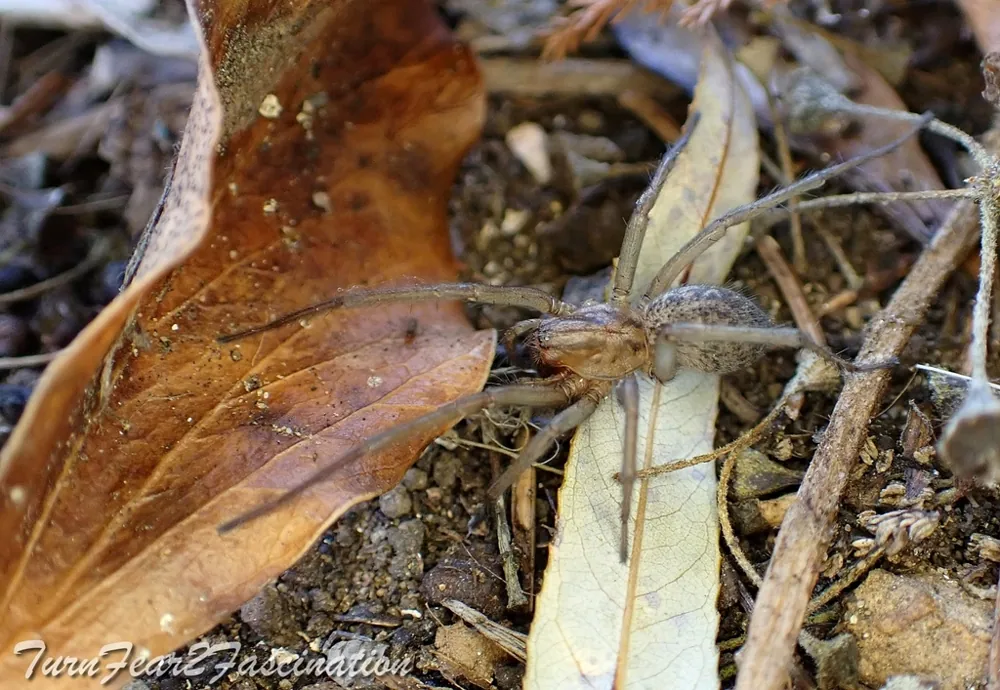
The hobo spider is a brown spider that lives in fields, woods and under rocks in Europe, Central Asia and western North America. It builds a funnel-shaped sheet of silk and waits at the narrow end for insects to crawl on. It sometimes builds webs in or around homes, so people often worry about its bite.1

 Sida loo aqoonsado
- Body length is 7 to 14 mm, and the spider is brownish in colour.1
- The abdomen has V-shaped chevron patterns down the middle, pointing towards the head.1
- There is a light stripe running down the middle of the underside (sternum).1
- There are no coloured bands where the leg joints meet.1
- The top of the front body section (cephalothorax) has indistinct or diffused patterns, not two distinct dark stripes.1
Inta badan lagu khaldaa: Other Eratigena species have three or four pairs of light spots on the sides of the sternum rather than a central stripe, though these spots can be very faint. Spiders in the genera Agelenopsis and Hololena, and possibly some wolf spiders, have two distinct dark stripes on the top of the front body section. Positive identification of hobo spiders usually requires microscopic examination of their sex organs by an expert.1
Awoodda sunta
Suntu waxay ka soo baxdaa ilkihiisa sunta ama ilkihiisa marka uu qaniino.
Maxay samaysaa suntiisa (qaniin ama mudid)?
There is no clear evidence that the hobo spider has venom that is dangerous to humans. Earlier case reports linked its bites to isolated cases of necrosis, which is the death of skin tissue, but this is no longer supported.1
Intee buu dadka khatar ugu yahay?
Khatarta dadka: FududSida mudidda shinnida ama ka yar. Dadka waxyeello uma leh.There is little evidence that the hobo spider is dangerously venomous. The US CDC no longer lists it among venomous species, as of 2017. In Canada there is no evidence that its bites cause skin necrosis.1
 Haddii uu qaniino
- Dhaq meesha la qaniinay oo saar kiish baraf ah xanuunka dartiis. Hel caawimaad caafimaad haddii xanuunku xoog badan yahay, faafo ama qofku dareemo inuu xanuunsan yahay.
Marka hore had iyo jeer wac lambarka gurmadka degdegga ah (112, 000, 911). Kani waa hage guud oo gargaar degdeg ah, ma aha talo caafimaad. Aasaaska gargaarka degdegga ah
 Badbaado
- Weligaa ha taaban, ha qaban, hana ku ciyaarin xayawaan duurjoog ah, xitaa mid yar, xitaa haddii uu u muuqdo inuu hurdo ama dhintay.
- Meel u bannee. Haddii aad mid la kulanto, deg, tartiib dib ugu noqo oo u daa inuu jidkiisa maro.
- Haddii mid ku qaniino: deg, ha dhaqaaqin, wac lambarka gurmadka degdegga ah (112, 000, 911) ama si degdeg ah u tag isbitaalka. Xusuuso sida uu u egyahay, sawir ayaa caawiya.
Kuma raadinayo. Suntiisa wuxuu u isticmaalaa inuu cunto ku qabsado ama isku difaaco, wuxuuna aad u door bidaa inuu dhuunto. Wax badan oo ku saabsan badbaadada
Intee buu le'eg yahay?
Intee buu dherer le'eg yahay?
 aad u yar oo ciddiyahaaga dul fadhiisan kara
 100 mitir wuxuu ku gooyn karaa 360 ilbiriqsi (qofka ugu dheereeya wuxuu u baahan yahay 9.6)
Intee buu Hobo spider le'eg yahay marka ADIGA laguu barbar dhigo?
Xisaab keliya oo browser-kaaga ku jirta. Waxba lama keydiyo, meelna looma diro.
Intee buu u dheereeyaa?


Xaqiiqooyin
Beeniye-jabiye
Khuraafaad: Hobo spiders have dangerous venom that causes skin necrosis.
Run: There is little clear evidence that the hobo spider's venom is dangerous to humans. Some bites reported as hobo spider bites may have been from the desert grass spider.1
Meesha xaqiiqooyinku ka yimaadaan
- Hobo spider (Wikipedia (CC BY-SA 4.0))
- Eratigena agrestis (iNaturalist): magacyada iyo kala soocidda.
- Venom Wiki: heerka khatarta, cabbirka caadiga ah iyo qiyaasta xawaaraha annaga ayaa sameeyay. Eeg sida aan u xisaabinno: Sida aan u qiimeyno khatarta.
Xaqiiq kasta oo boggan ku jirta waxay leedahay lambar tilmaamaya ilaha laga keenay. Haddii aan wax khaldanno, raalli ahaw, waxaan nahay dad xayawaanka jecel, ma aha joornaal saynis. Nagu soo sheeg [email protected] waana saxaynaynaa.
 Dabaqalloocu waa gaajaysan yahay! Venom Wiki waa mashruuc hal qof leeyahay: waa bilaash, xayaysiis iyo raadraac midna ma leh. Deeq yar ayaa caawisa inuu internetka ku sii jiro.Quudi dabaqallooca
Wax kale oo isla kooxda ah: Caarooyin
 Mediterranean black widowCaarooyinWuxuu u baahan yahay dhakhtar
 Diving bell spiderCaarooyinWuu xanuunjiyaa oo keliya
 European yellow sac spiderCaarooyinWuu xanuunjiyaa oo keliya
 Noble false widowCaarooyinWuu xanuunjiyaa oo keliya
 Tarantula wolf spiderCaarooyinWuu xanuunjiyaa oo keliya
 Daddy long-legs spiderCaarooyinWaxyeello ma leh
Sidoo kale wuxuu ku nool yahay: Yurub
 Common European adderAbeesooyin iyo adderWuxuu u baahan yahay dhakhtar
 Spanish flyXayawaanno kale oo sun leh (taabasho ama cunid)Wuxuu u baahan yahay dhakhtarHa taaban
 Common waspShinni, wasp iyo hornetWuu xanuunjiyaa oo keliya
 European hornetShinni, wasp iyo hornetWuu xanuunjiyaa oo keliya
 Fire salamanderRahyada sunta leh, raha dhulka iyo newtWuu xanuunjiyaa oo keliyaHa taaban
 Western honey beeShinni, wasp iyo hornetWuu xanuunjiyaa oo keliya