
 Afrika
 Asia
Asia Ulaya
Ulaya Amerika Kusini
 Australia na Oceania
 Antaktika
 Bahari ya Pasifiki
 Bahari ya Atlantiki
 Bahari ya Hindi
 Bahari ya Aktiki
 Bahari ya Mediterania
 Bahari ya Shamu
 Bahari ya Karibi
 Bahari ya Matumbawe
 Bahari ya Kusini ya China
 Bahari ya Ufilipino
 Bahari ya Andaman
 Bahari ya Kaskazini
 Bahari ya Timor na Arafura
 Ghuba ya Bengal
 Ghuba ya California
Katipo
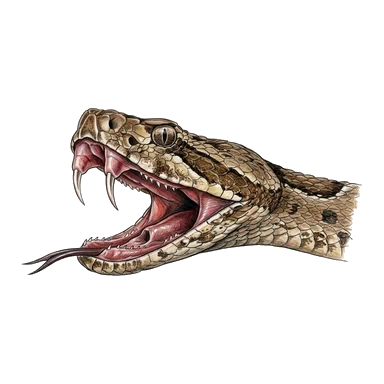 Kuumwa
The katipō is a cobweb spider found only in New Zealand, where it lives in coastal sand dunes. It is closely related to the Australian redback spider. Its bite is venomous to people, but bites are rare.1
 Jinsi ya kumtambua
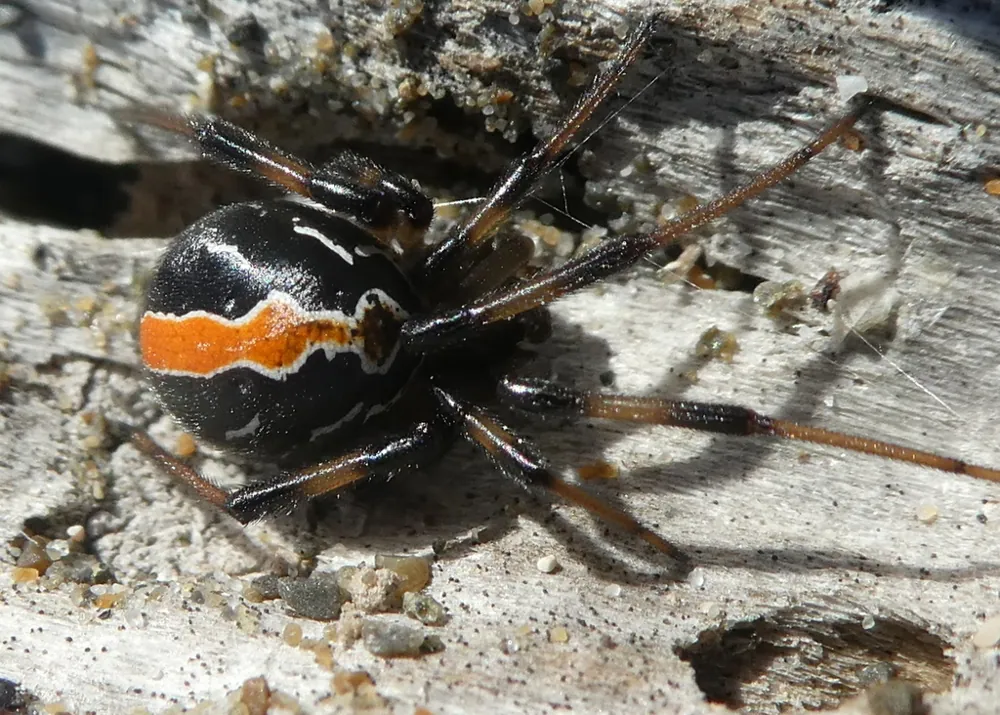
- Adult females have a body length of 8–10 mm (about 0.3–0.4 in).1
- The red katipō, found in the South Island and lower North Island, has a large black, shiny abdomen with a white-bordered orange or red stripe on top, and a red hourglass-shaped marking underneath.1
- The black katipō, found in the upper North Island, has no upper red or orange stripe and is somewhat lighter in colour.1
- Males are 4–5 mm long, white with black stripes and red hourglass-shaped markings.1
Mara nyingi huchanganywa na: Steatoda species, which share the same habitat, are very similar and are called "false katipō" in New Zealand. The katipō has a less shiny, more tapered abdomen, and its side eyes are further apart. It is also similar to the redback, but the katipō has only short hair-like spines on its abdomen, while the redback has a mix of long and short ones.1
Nguvu ya sumu
Sumu hutoka kupitia meno yake ya sumu au meno anapouma.
Sumu yake hufanya nini?
The bite can cause latrodectism, a toxic syndrome that affects the nerves and body. Symptoms include extreme pain and, potentially, high blood pressure (hypertension) or seizures.1
Ana hatari gani kwa watu?
Hatari kwa watu: MbayaKuumwa kunahitaji daktari. Vifo ni nadra sana.Katipō are venomous to humans, but bites are described as rare. Serious symptoms are possible, including extreme pain, high blood pressure and seizures.1
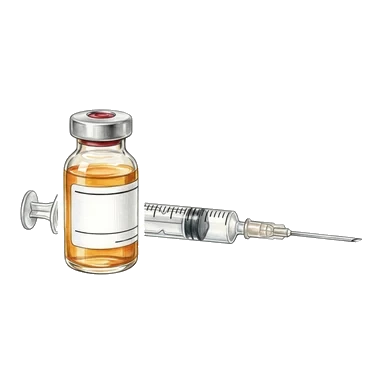 Habari njema: madaktari wana dawa (ya kuzuia sumu) au matibabu ya hili.1
 Akiuma
- Osha jeraha na uweke barafu kupunguza maumivu. Tafuta msaada wa kitabibu kama maumivu ni makali, yanasambaa au mtu anajisikia vibaya.
Daima piga namba ya dharura kwanza (112, 000, 911). Huu ni mwongozo wa jumla wa huduma ya kwanza, si ushauri wa kitabibu. Misingi ya huduma ya kwanza
 Kaa salama
- Kamwe usimguse, kumkamata wala kumchokoza mnyama wa porini, hata akiwa mdogo, na hata akionekana amelala au amekufa.
- Mpe nafasi. Ukikutana naye, tulia, rudi nyuma polepole na umwache aende zake.
- Akikuuma: tulia, usitikisike, piga namba yako ya dharura (112, 000, 911) au nenda hospitali haraka. Kumbuka alivyoonekana, picha husaidia.
Hakuwindi wewe. Hutumia sumu yake kukamata chakula au kujilinda, na hupendelea zaidi kujificha. Zaidi kuhusu kukaa salama
Ana ukubwa gani?
Ana urefu gani?
 mdogo kiasi cha kukaa juu ya ukucha wako
Katipo ana ukubwa gani ukilinganisha na WEWE?
Ni hesabu tu kwenye kivinjari chako. Hakuna kinachohifadhiwa wala kutumwa popote.
Ana kasi gani?


Ukweli
In one 24-hour study of young spiders, 28% left the web by ballooning, carried by air currents.1
Katipō is one of the few Māori words that refers to a specific species of spider.1
The female does not usually eat the male after mating, unlike some other widow spiders.1
Females cover their egg sacs with silk and sand, which partly hides them in the web.1
The katipō is found only in New Zealand.1
Kuvunja dhana potofu
Dhana potofu: The katipō is just a form of the redback spider.
Ukweli: The katipō is genetically and physically distinct from the redback, even though the two are closely related. It was once thought to be a subspecies of the redback.1
Kwa wataalamu wa sumu
- Jina la kisayansi
- Latrodectus katipo
- Kundi
- Buibui
- Familia
- Theridiidae2
- Mpangilio
- Araneae
- Mabara
- Australia na Oceania
- Watoto
- The female lays five or six egg sacs in November or December, with about 70 to 90 eggs in each. The young hatch after 20–25 days and leave the egg sac in January and February.1
- Hali yake porini
- In serious decline (New Zealand Threat Classification System)1
- Hatari kwa watu
- 3 / 5: Mbaya3
Ukweli unatoka wapi
- Katipō (Wikipedia (CC BY-SA 4.0))
- Latrodectus katipo (iNaturalist): majina na uainishaji.
- Venom Wiki: kiwango cha hatari, ukubwa wa kawaida na makadirio ya kasi ni yetu wenyewe. Ona jinsi tunavyovipata: Jinsi tunavyopima hatari.
Kila ukweli kwenye ukurasa huu una namba inayoonyesha chanzo chake. Kama tumekosea kitu, samahani, sisi ni wapenzi wa wanyama, si jarida la kisayansi. Tuambie kupitia [email protected] nasi tutarekebisha.
 Nge ana njaa! Venom Wiki ni mradi wa mtu mmoja: bure, bila matangazo na bila vifuatiliaji. Mchango mdogo husaidia kuiweka hewani.Mlishe nge
 Redback spider
 White-tailed spider
 Peacock spider
 Badge huntsman spider
 Black house spider
 Eastern white-tailed spider
 Taipani wa pwani
 Kifutu-mauti wa kawaida
 Nyoka kahawia wa mashariki
 Taipani wa bara
 Sydney funnel-web spider
 Nyoka-chui