
 แอฟริกา
 เอเชีย
 ยุโรป
ยุโรป อเมริกาใต้
 ออสเตรเลียและโอเชียเนีย
 แอนตาร์กติกา
 มหาสมุทรแปซิฟิก
 มหาสมุทรแอตแลนติก
 มหาสมุทรอินเดีย
 มหาสมุทรอาร์กติก
 ทะเลเมดิเตอร์เรเนียน
 ทะเลแดง
 ทะเลแคริบเบียน
 ทะเลคอรัล
 ทะเลจีนใต้
 ทะเลฟิลิปปิน
 ทะเลอันดามัน
 ทะเลเหนือ
 ทะเลติมอร์และอาราฟูรา
 อ่าวเบงกอล
 อ่าวแคลิฟอร์เนีย
Bluebottle
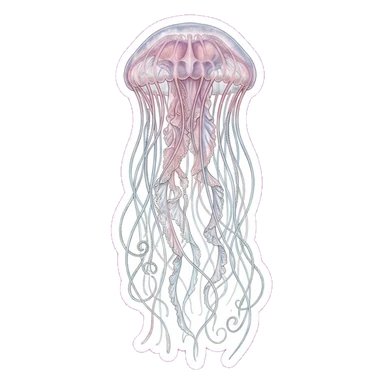 หนวดที่ต่อยได้
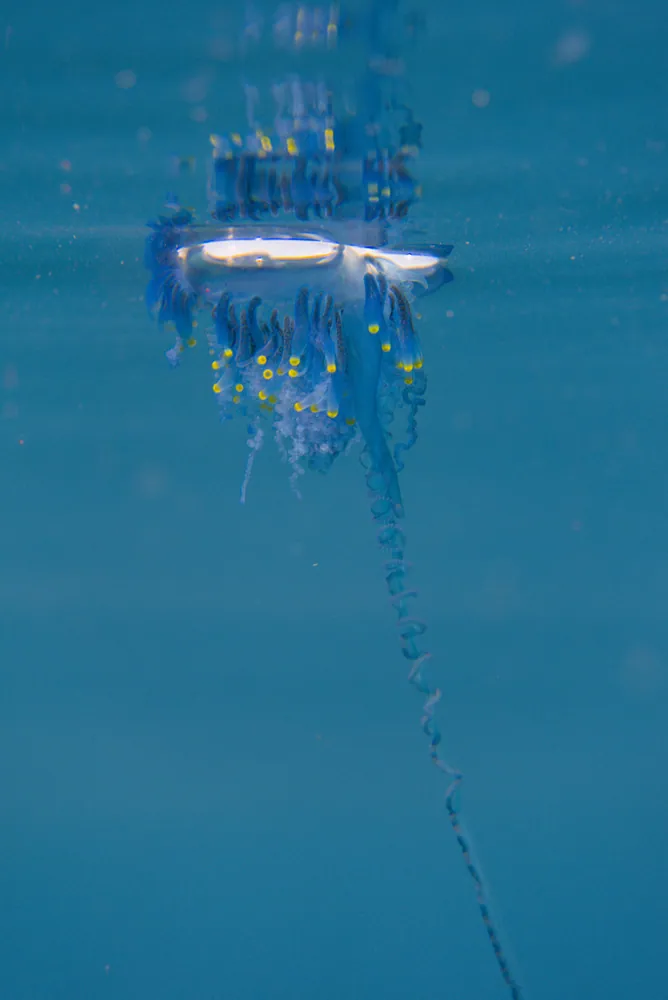
The bluebottle is a floating sea creature that looks like a jellyfish, but it is actually a colony of many linked animals that work together. It drifts on the surface of warm oceans and often washes up on beaches in large numbers. Its long tentacle can cause painful stings, so it is important to know what it looks like.1
 วิธีสังเกต
- A gas-filled float that sits on the surface, with a sail on top of it1
- A single long tentacle hanging below the float1
- A float about 16 cm across, smaller than the Atlantic Portuguese man o' war, whose float is about 30 cm1
- Often found in large groups called swarms1
- Often washed up in large numbers on beaches after strong winds1
มักสับสนกับ: The Atlantic Portuguese man o' war (Physalia physalis) is closely related and looks similar. It has a larger float, about 30 cm across, while the bluebottle's float is about 16 cm. The bluebottle has a single long fishing tentacle.1
พลังพิษ
เซลล์เข็มพิษจิ๋วนับพันจะยิงออกมาเมื่อมีอะไรแตะ
พิษของมันทำอะไร?
Its tentacle is covered in venomous cells called cnidocytes, which fire stinging threads called nematocysts. These toxic stinging cells cause painful injuries when they touch human skin. The stings can cause painful injuries at the beach.1
อันตรายต่อคนแค่ไหน?
อันตรายต่อคน: เจ็บปวดอาจเจ็บมาก แต่แทบไม่เคยรุนแรงOn Australia's east coast, 10,000 to 30,000 stings per year from animals of the genus Physalia are reported, and most incidents happen on the eastern coast. No deaths have been recorded from stings by this species. The Atlantic Portuguese man o' war has caused at least three deaths.1
 ถ้ามันต่อย
- ขึ้นจากน้ำและดึงหนวดที่ติดอยู่ออก (ใส่ถุงมือหรือใช้ผ้า)
- แมงกะพรุนกล่องเขตร้อน: ราดน้ำส้มสายชูบนแผลอย่างน้อย 30 วินาที เรียกความช่วยเหลือ และเตรียมทำ CPR แมงกะพรุนขวดเขียวและชนิดอื่นส่วนใหญ่: ล้างด้วยน้ำทะเล แล้วแช่น้ำร้อนบรรเทาปวด
โทรหาเบอร์ฉุกเฉินก่อนเสมอ (112, 000, 911) นี่คือคำแนะนำการปฐมพยาบาลทั่วไป ไม่ใช่คำแนะนำทางการแพทย์ พื้นฐานการปฐมพยาบาล
 ปลอดภัยไว้
- อย่าจับ อย่าไล่จับ อย่าแหย่สัตว์ป่าเด็ดขาด แม้ตัวเล็ก และแม้ดูเหมือนหลับหรือตายแล้ว
- เว้นระยะให้มัน ถ้าเจอ ใจเย็น ๆ ค่อย ๆ ถอยออกมา แล้วปล่อยให้มันไปตามทางของมัน
- ถ้ามันต่อยเธอ: ใจเย็น อยู่นิ่ง ๆ โทรเบอร์ฉุกเฉิน (112, 000, 911) หรือรีบไปโรงพยาบาล จำว่ามันหน้าตาเป็นอย่างไร มีรูปจะช่วยได้มาก
มันไม่ได้ตั้งใจมาทำร้ายเธอ มันใช้พิษเพื่อจับอาหารหรือป้องกันตัว และชอบหลบซ่อนมากกว่า เพิ่มเติมเรื่องความปลอดภัย
อยู่ที่ไหนในโลก?
ตัวใหญ่แค่ไหน?
มันยาวแค่ไหน?
 ยาวเท่าตัวต่อของเล่น 2 ชิ้นเรียงกัน
 ว่ายความยาวสระใหญ่ (50 ม.) ได้ใน 180 วินาที
Bluebottleตัวใหญ่แค่ไหนเมื่อเทียบกับเธอ?
แค่คำนวณในเบราว์เซอร์ของเธอ ไม่มีอะไรถูกบันทึกหรือส่งไปที่ไหน
มันเร็วแค่ไหน?

ข้อเท็จจริง
It is not a single animal. It is a colony of four separate types of polyps and medusoids that work together.1
Its stinging cells can remain harmful on beaches for weeks or months if the sand stays moist.1
It moves across the sea using the wind, currents and tides, helped by the sail on top of its float.1
สำหรับผู้เชี่ยวชาญเรื่องพิษ
- ชื่อวิทยาศาสตร์
- Physalia utriculus
- กลุ่ม
- แมงกะพรุนและสัตว์ทะเลที่ต่อย
- ครอบครัว
- Physaliidae2
- ลำดับ
- Siphonophorae
- ทวีป
- มหาสมุทรแปซิฟิก, มหาสมุทรอินเดีย, มหาสมุทรแอตแลนติก, มหาสมุทรใต้, ทะเลคอรัล, แอนตาร์กติกา, ทะเลติมอร์และอาราฟูรา, อ่าวเบงกอล, มหาสมุทร
- ลูก
- Its reproductive parts, called gonozooids, release eggs or sperm into the water.1
- อันตรายต่อคน
- 2 / 5: เจ็บปวด3
ข้อมูลมาจากไหน
- Physalia utriculus (Wikipedia (CC BY-SA 4.0))
- Physalia utriculus (iNaturalist): ชื่อและการจำแนก
- Venom Wiki: ระดับอันตราย ขนาดทั่วไป และความเร็วโดยประมาณเป็นของเราเอง ดูวิธีที่เราคิดได้: เราประเมินอันตรายอย่างไร.
ข้อมูลทุกข้อในหน้านี้มีตัวเลขบอกแหล่งที่มา ถ้าเราผิดพลาด ขอโทษนะ เราเป็นคนรักสัตว์ ไม่ใช่วารสารวิทยาศาสตร์ บอกเราที่ [email protected] แล้วเราจะแก้ไข
 แมงป่องหิวแล้ว! Venom Wiki เป็นโปรเจกต์ของคนคนเดียว: ฟรี ไม่มีโฆษณา ไม่มีตัวติดตาม ทิปเล็ก ๆ ช่วยให้เว็บยังออนไลน์อยู่ให้อาหารแมงป่อง
เพิ่มเติมจากกลุ่มเดียวกัน: แมงกะพรุนและสัตว์ทะเลที่ต่อย
 Australian box jellyfishแมงกะพรุนและสัตว์ทะเลที่ต่อยถึงตายห้ามแตะ
 Irukandji jellyfishแมงกะพรุนและสัตว์ทะเลที่ต่อยฆ่าได้ห้ามแตะ
 Portuguese man o' warแมงกะพรุนและสัตว์ทะเลที่ต่อยต้องไปหาหมอห้ามแตะ
 Lion's mane jellyfishแมงกะพรุนและสัตว์ทะเลที่ต่อยแค่เจ็บห้ามแตะ
 Moon jellyfishแมงกะพรุนและสัตว์ทะเลที่ต่อยไม่มีอันตราย
 Common kingslayerแมงกะพรุนและสัตว์ทะเลที่ต่อยฆ่าได้ห้ามแตะ
 Geography cone
 Greater blue-ringed octopus
 Japanese pufferfish
 Southern blue-ringed octopus
 Hawksbill sea turtle
 Reef stonefish