
 แอฟริกา
 เอเชีย
 ยุโรป
ยุโรป อเมริกาใต้
 ออสเตรเลียและโอเชียเนีย
 แอนตาร์กติกา
 มหาสมุทรแปซิฟิก
 มหาสมุทรแอตแลนติก
 มหาสมุทรอินเดีย
 มหาสมุทรอาร์กติก
 ทะเลเมดิเตอร์เรเนียน
 ทะเลแดง
 ทะเลแคริบเบียน
 ทะเลคอรัล
 ทะเลจีนใต้
 ทะเลฟิลิปปิน
 ทะเลอันดามัน
 ทะเลเหนือ
 ทะเลติมอร์และอาราฟูรา
 อ่าวเบงกอล
 อ่าวแคลิฟอร์เนีย
Textile cone
 การต่อย
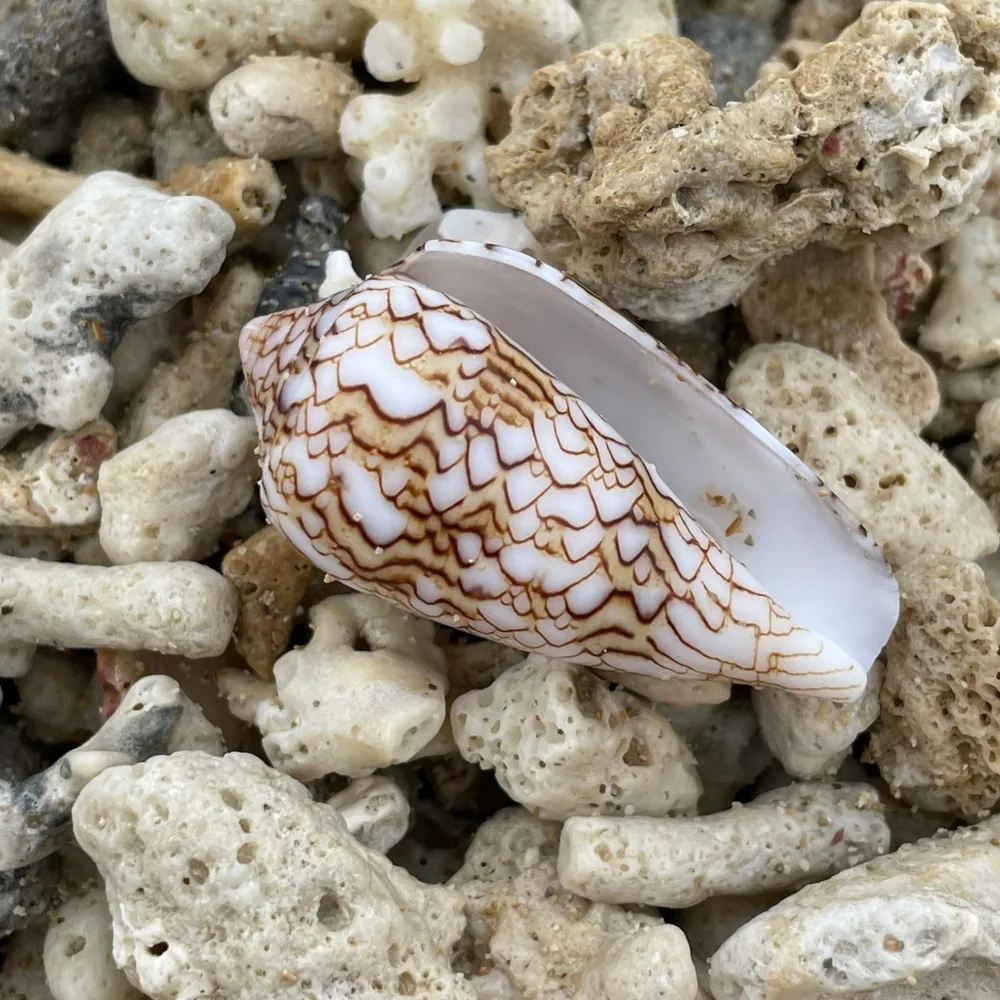
The textile cone is a venomous sea snail. It is a mollusc with a patterned shell, and it hunts other snails at night. It lives in warm seas around Africa, Australia and the Pacific, and it can sting people, so it is important to know it.1
 วิธีสังเกต
พลังพิษ
พิษออกมาทางเหล็กใน
พิษของมันทำอะไร?
Its venom is a conotoxin, a mix of toxins injected through the harpoon-like radular tooth. The venom contains the neurotoxin RPRFamide, which attacks the nerves.1
อันตรายต่อคนแค่ไหน?
อันตรายต่อคน: อันตรายมากอาจทำให้คนที่ไม่ได้รับการรักษาเสียชีวิตได้Several human deaths have been attributed to this species. A 2004 report linked about 30 human deaths to cone snails as a group. Live animals should be handled carefully or not at all, and anyone handling one without protecting exposed skin is at risk.1
 ถ้ามันต่อย
- พันกดเพื่อให้อยู่นิ่ง: พันผ้ายืดให้แน่นทับแผลแล้วพันต่อทั้งแขนหรือขา ใส่เฝือกดาม และให้ผู้บาดเจ็บอยู่นิ่งสนิทจนกว่าความช่วยเหลือจะมาถึง
- หมึกสายวงน้ำเงินหรือหอยเต้าปูนอาจทำให้คนหยุดหายใจทั้งที่ยังรู้สึกตัวอยู่: เรียกขอความช่วยเหลือ และเตรียมช่วยหายใจจนกว่ารถพยาบาลจะมาถึง
โทรหาเบอร์ฉุกเฉินก่อนเสมอ (112, 000, 911) นี่คือคำแนะนำการปฐมพยาบาลทั่วไป ไม่ใช่คำแนะนำทางการแพทย์ พื้นฐานการปฐมพยาบาล
 ปลอดภัยไว้
- อย่าจับ อย่าไล่จับ อย่าแหย่สัตว์ป่าเด็ดขาด แม้ตัวเล็ก และแม้ดูเหมือนหลับหรือตายแล้ว
- เว้นระยะให้มัน ถ้าเจอ ใจเย็น ๆ ค่อย ๆ ถอยออกมา แล้วปล่อยให้มันไปตามทางของมัน
- ถ้ามันต่อยเธอ: ใจเย็น อยู่นิ่ง ๆ โทรเบอร์ฉุกเฉิน (112, 000, 911) หรือรีบไปโรงพยาบาล จำว่ามันหน้าตาเป็นอย่างไร มีรูปจะช่วยได้มาก
มันไม่ได้ตั้งใจมาทำร้ายเธอ มันใช้พิษเพื่อจับอาหารหรือป้องกันตัว และชอบหลบซ่อนมากกว่า เพิ่มเติมเรื่องความปลอดภัย
อยู่ที่ไหนในโลก?
ตัวใหญ่แค่ไหน?
มันยาวแค่ไหน?
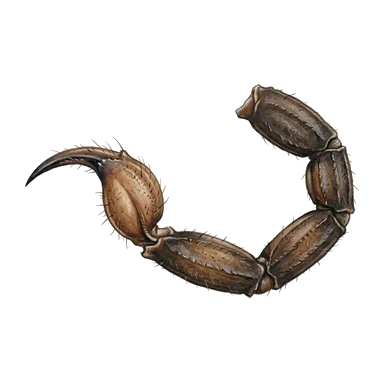
 ยาวเท่าตัวต่อของเล่น 5 ชิ้นเรียงกัน
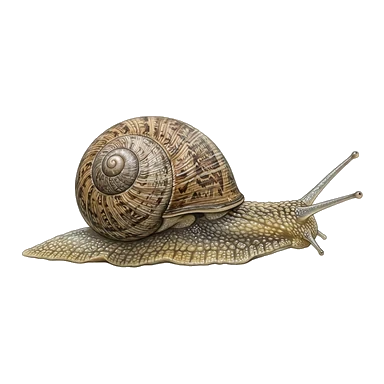
 ช้ากว่าหอยทากในสวน
Textile coneตัวใหญ่แค่ไหนเมื่อเทียบกับเธอ?
แค่คำนวณในเบราว์เซอร์ของเธอ ไม่มีอะไรถูกบันทึกหรือส่งไปที่ไหน
มันเร็วแค่ไหน?

ข้อเท็จจริง
Its shell pattern is made by natural cellular automata, and it resembles Wolfram's rule 30 pattern.1
The pigment cells that make the pattern sit in a narrow band along the shell's lip, and each cell responds to its neighbours.1
Its proboscis can reach any part of its own shell.1
In Australia it is most common in northern Queensland, but sightings are spreading south into New South Wales as ocean temperatures warm with climate change.1
Its larvae drift in the current for about 16 days before settling on the bottom of the sea.1
สำหรับผู้เชี่ยวชาญเรื่องพิษ
- ชื่อวิทยาศาสตร์
- Conus textile
- กลุ่ม
- หอยเต้าปูนและหมึก
- ครอบครัว
- Conidae2
- ลำดับ
- Neogastropoda
- ทวีป
- มหาสมุทรอินเดีย, มหาสมุทรแปซิฟิก, ทะเลคอรัล, ทะเลแดง, ทะเลฟิลิปปิน, ทะเลอาหรับและอ่าวเปอร์เซีย, ทะเลติมอร์และอาราฟูรา, อ่าวเบงกอล, มหาสมุทร
- ลูก
- The female lays several hundred eggs at a time. They hatch after about 16 or 17 days, and the larvae float in the current for about 16 days before settling on the sea floor at about 1.5 mm long.1
- อันตรายต่อคน
- 4 / 5: อันตรายมาก3
ข้อมูลมาจากไหน
- Conus textile (Wikipedia (CC BY-SA 4.0))
- Conus textile (iNaturalist): ชื่อและการจำแนก
- Venom Wiki: ระดับอันตราย ขนาดทั่วไป และความเร็วโดยประมาณเป็นของเราเอง ดูวิธีที่เราคิดได้: เราประเมินอันตรายอย่างไร.
ข้อมูลทุกข้อในหน้านี้มีตัวเลขบอกแหล่งที่มา ถ้าเราผิดพลาด ขอโทษนะ เราเป็นคนรักสัตว์ ไม่ใช่วารสารวิทยาศาสตร์ บอกเราที่ [email protected] แล้วเราจะแก้ไข
 แมงป่องหิวแล้ว! Venom Wiki เป็นโปรเจกต์ของคนคนเดียว: ฟรี ไม่มีโฆษณา ไม่มีตัวติดตาม ทิปเล็ก ๆ ช่วยให้เว็บยังออนไลน์อยู่ให้อาหารแมงป่อง
เพิ่มเติมจากกลุ่มเดียวกัน: หอยเต้าปูนและหมึก
 Geography cone
 Greater blue-ringed octopus
 Southern blue-ringed octopus
 Blue sea dragon
 Common octopus
 Giant Pacific octopus
พบได้ที่: มหาสมุทรอินเดีย
 Australian box jellyfishแมงกะพรุนและสัตว์ทะเลที่ต่อยถึงตายห้ามแตะ
 Hawksbill sea turtleสัตว์มีพิษ (แบบกินหรือจับ) อื่น ๆฆ่าได้
 Irukandji jellyfishแมงกะพรุนและสัตว์ทะเลที่ต่อยฆ่าได้ห้ามแตะ
 Reef stonefishปลามีพิษฆ่าได้ห้ามแตะ
 Crown-of-thorns starfishเม่นทะเล ดาวทะเล และหนอนต้องไปหาหมอห้ามแตะ
 Portuguese man o' warแมงกะพรุนและสัตว์ทะเลที่ต่อยต้องไปหาหมอห้ามแตะ