
 Aprika
 Asya
Asya Europa
 Timog Amerika
 Australia at Oceania
 Antarctica
 Karagatang Pasipiko
 Karagatang Atlantiko
 Karagatang Indiyano
 Karagatang Artiko
 Dagat Mediteraneo
 Dagat Pula
 Dagat Caribe
 Dagat Coral
 Dagat Timog Tsina
 Dagat Pilipinas
 Dagat Andaman
 Dagat Hilaga
 Dagat Timor at Arafura
 Look ng Bengal
 Golpo ng California
Buck moth
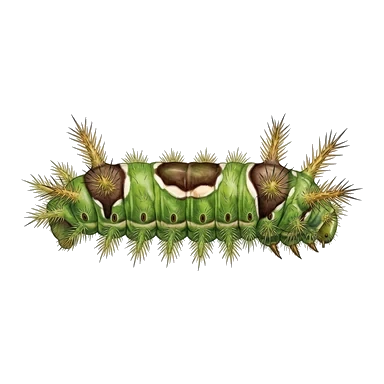 Nanunusok na balahibo
The buck moth is a common North American moth. Its caterpillars are covered in spines that can break off and sting people, so it is good to know what they look like. The caterpillars live on oak trees in eastern parts of the United States, and can also be found in cities.1

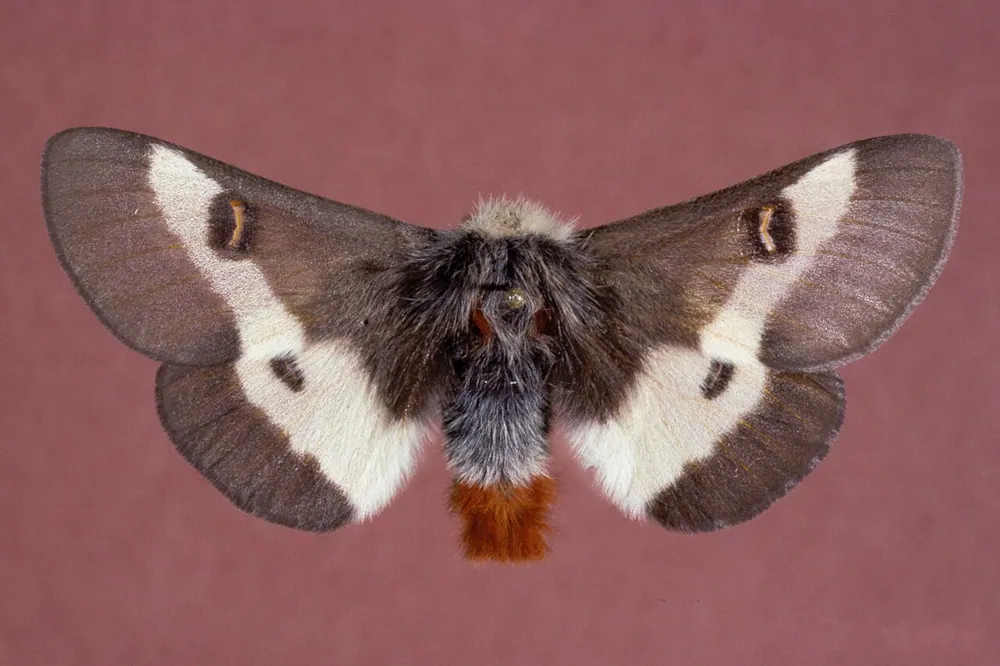
 Paano ito makikilala
- Adult moths are dark grey to almost black, with a white band across each wing that has a distinctive eyespot on it.1
- Adult females have an all-black body. Males are black except for a rusty red abdomen (the rear part of the body).1
- Adults have black legs with small red cuffs near the top, where the leg joins the body.1
- Young caterpillars are completely black. Older caterpillars become lighter, and some look almost white.1
- Caterpillars are covered in spines. The spines on the top of the body are longer, more numerous and arranged in rows. Fully grown caterpillars reach about 2.5 inches (6.35 cm).1
Lakas ng kamandag
Maliliit na balahibo o buhok ang nababali sa balat at nanunusok.
Ano ang epekto ng kamandag nito?
The spines of the caterpillar are hollow and attached to a poison sac, and small toxic glands along the sides of the body hold the venom. When the spines break off and get into the skin, they can cause stinging, itching and burning, with large red welts. In some people the reaction can lead to anaphylactic shock, a severe allergic reaction that needs urgent medical care. Nausea is also listed as a possible symptom.1
Gaano ito kapanganib sa tao?
Panganib sa tao: MasakitTalagang masakit, pero halos hindi kailanman malala.An increasing number of people each season are stung by these caterpillars, and many of them see a doctor for dermatitis (swelling and inflammation of the skin). Stings are most common where caterpillars have moved into urban areas. Some people are at risk of a severe allergic reaction.1
Ano ang ginagawa nito kapag natatakot?
The caterpillars use their spines as a defence against predators and when they feel in danger. The spines can easily break off when the caterpillar is handled roughly or brushed against.1
 Kung mahawakan mo ang mga balahibo nito
- Para sa nanunusok na balahibo ng higad: alisin ang mga ito gamit ang sticky tape, pagkatapos ay hugasan ang balat. Huwag kuskusin.
- Para sa kagat: hugasan at palamigin. Kumuha ng tulong medikal kung masama ang pakiramdam ng tao o madali siyang dumugo.
Laging tawagan muna ang numero pang-emergency (112, 000, 911). Ito ay pangkalahatang gabay sa pangunang lunas, hindi payong medikal. Mga batayan ng pangunang lunas
 Mag-ingat
- Huwag kailanman hawakan, hulihin o asarin ang ligaw na hayop, kahit maliit, at kahit mukha itong tulog o patay.
- Bigyan ito ng espasyo. Kung makasalubong ka ng isa, manatiling kalmado, dahan-dahang umatras at hayaan itong umalis.
- Kung mahawakan mo ang mga balahibo nito: manatiling kalmado, huwag gumalaw, tawagan ang numero pang-emergency (112, 000, 911) o pumunta agad sa ospital. Tandaan ang itsura nito, makakatulong ang litrato.
Hindi ka nito hinahabol. Ginagamit nito ang kamandag para manghuli ng pagkain o ipagtanggol ang sarili, at mas gusto pa nitong magtago. Higit pa tungkol sa pag-iingat
Gaano ito kalaki?
Gaano ito kahaba?
 kasinghaba ng 2 laruang building brick na magkakasunod
 mas mabagal kaysa sa suso sa hardin
Gaano kalaki si Buck moth kumpara sa IYO?
Math lang sa browser mo. Walang sine-save o ipinapadala kahit saan.
Gaano ito kabilis?

Mga fact
Adult buck moths have no mouthparts, so they cannot eat. They live only long enough to find a mate and lay eggs.1
Newly hatched caterpillars march in a straight line, following one leader. If the leader is removed, the group becomes confused and restless until it either returns or the group chooses a new leader.1
Before they pupate, some buck moths can stay in the pupa stage for up to two years before emerging as adults.1
Females release a chemical scent, called a pheromone, to attract males. Males that fly erratically are responding to this scent.1
Para sa mga eksperto sa kamandag
- Pangalang siyentipiko
- Hemileuca maia
- Grupo
- Mga higad at insekto
- Pamilya
- Saturniidae2
- Ayos
- Lepidoptera
- Mga kontinente
- Hilagang Amerika
- Mga sanggol
- Females lay about 150 eggs per generation in a tight ring around an oak twig, and the eggs stay there through the winter until spring.1
- Kalagayan nito sa ligaw
- Endangered in Connecticut for the narrower subspecies Hemileuca maia maia1
- Panganib sa tao
- 2 / 5: Masakit3
Saan galing ang mga fact
- Buck moth (Wikipedia (CC BY-SA 4.0))
- Hemileuca maia (iNaturalist): mga pangalan at klasipikasyon.
- Venom Wiki: sarili naming tantiya ang antas ng panganib, karaniwang laki at hula sa bilis. Tingnan kung paano namin ito kinukuwenta: Paano namin sinusukat ang panganib.
Bawat fact sa pahinang ito ay may numerong tumuturo sa pinagmulan nito. Kung may mali kami, pasensya na, mahilig lang kami sa hayop, hindi kami science journal. Sabihin sa amin sa [email protected] at aayusin namin.
 Gutom ang alakdan! Ang Venom Wiki ay proyekto ng iisang tao: libre, walang ads at walang trackers. Nakatutulong ang maliit na tip para manatili itong online.Pakainin ang alakdan
Higit pa mula sa parehong grupo: Mga higad at insekto
 Giant water bugMga higad at insektoMasakit lang
 Puss caterpillarMga higad at insektoMasakit langHuwag hawakan
 Saddleback caterpillarMga higad at insektoMasakit langHuwag hawakan
 Wheel bugMga higad at insektoMasakit lang
 Giant vinegaroonMga higad at insektoHindi nakapipinsala
 Rhodnius kissing bugMga higad at insektoKailangan ng doktor
 Terciopelo
 Eastern coral snake
 Eastern diamondback rattlesnake
 Eyelash viper
 Timber rattlesnake
 Western diamondback rattlesnake