
 Aforika
 Asia
Asia Yuropa
 Amerika Borwa
 Australia le Oceania
 Antarctica
 Lewatle la Pacific
 Lewatle la Atlantic
 Lewatle la India
 Lewatle la Arctic
 Lewatle la Mediterranean
 Lewatle le Lehibidu
 Lewatle la Caribbean
 Lewatle la Coral
 Lewatle la China Borwa
 Lewatle la Philippines
 Lewatle la Andaman
 Lewatle la Bokone
 Lewatle la Timor le la Arafura
 Kou ya Bengal
 Gulf ya California
Buck moth
 Meriri e e tlhabang
The buck moth is a common North American moth. Its caterpillars are covered in spines that can break off and sting people, so it is good to know what they look like. The caterpillars live on oak trees in eastern parts of the United States, and can also be found in cities.1
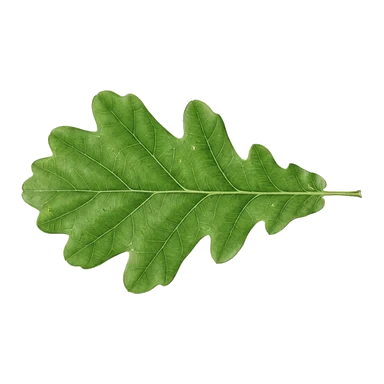
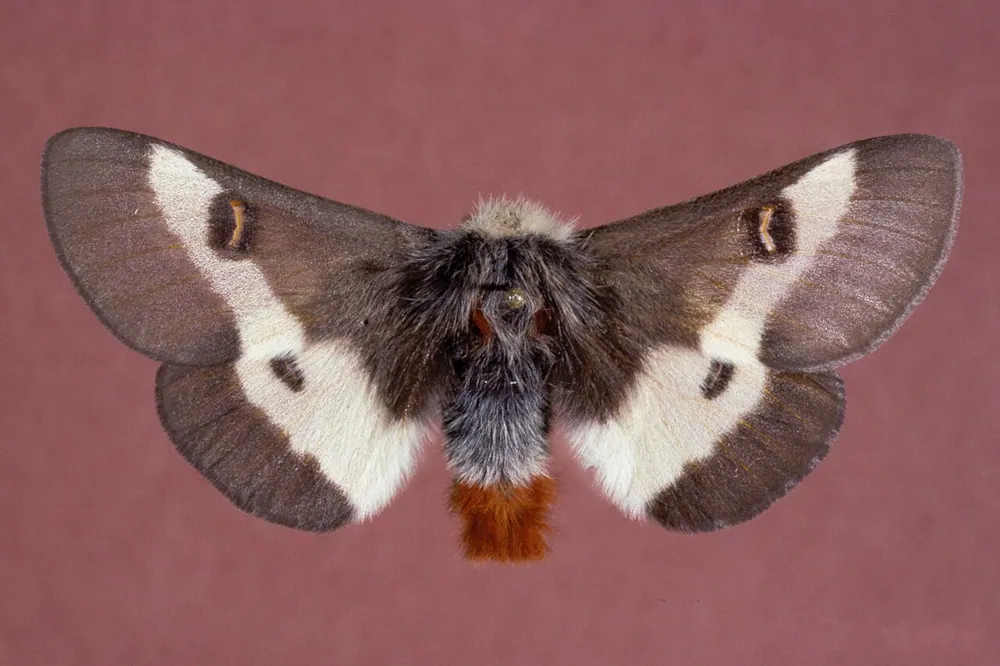
 Tsela ya go e lemoga
- Adult moths are dark grey to almost black, with a white band across each wing that has a distinctive eyespot on it.1
- Adult females have an all-black body. Males are black except for a rusty red abdomen (the rear part of the body).1
- Adults have black legs with small red cuffs near the top, where the leg joins the body.1
- Young caterpillars are completely black. Older caterpillars become lighter, and some look almost white.1
- Caterpillars are covered in spines. The spines on the top of the body are longer, more numerous and arranged in rows. Fully grown caterpillars reach about 2.5 inches (6.35 cm).1
Maatla a botlhole
Meriri e mennye kgotsa ditlhaka di robegela mo letlalong mme di tlhabe.
Botlhole jo e bo tsenyang bo dira eng?
The spines of the caterpillar are hollow and attached to a poison sac, and small toxic glands along the sides of the body hold the venom. When the spines break off and get into the skin, they can cause stinging, itching and burning, with large red welts. In some people the reaction can lead to anaphylactic shock, a severe allergic reaction that needs urgent medical care. Nausea is also listed as a possible symptom.1
E kotsi go le kae go batho?
Kotsi go batho: E botlhokoE ka utlwisa botlhoko tota, mme go seoka thata gore e nne masisi.An increasing number of people each season are stung by these caterpillars, and many of them see a doctor for dermatitis (swelling and inflammation of the skin). Stings are most common where caterpillars have moved into urban areas. Some people are at risk of a severe allergic reaction.1
E dira eng fa e tshogile?
The caterpillars use their spines as a defence against predators and when they feel in danger. The spines can easily break off when the caterpillar is handled roughly or brushed against.1
 Fa o ama meriri ya yone
- Ya meriri e e tlhabang ya diboko: e tlose ka theipi e e kgomarelang, morago o tlhatswe letlalo. O se ka wa gotlha.
- Fa e lomile: tlhatswa le go tsidifatsa. Batla thuso ya bongaka fa motho a ikutlwa a sa siama kgotsa a tswa madi bonolo.
Ka gale leletsa nomoro ya gago ya tshoganyetso pele (112, 000, 911). Se ke kaelo e e akaretsang ya thuso ya ntlha, ga se kgakololo ya bongaka. Motheo wa thuso ya ntlha
 Nna o babalesegile
- O se ka wa ama, wa tshwara kgotsa wa tshwenya phologolo ya naga, le fa e le e nnye, le fa e lebega e robetse kgotsa e sule.
- E fe sebaka. Fa o kopana le yone, ritibala, boela morago ka bonya mme o e tlogele e tsamaye ka tsela ya yone.
- Fa o ama meriri ya yone: ritibala, o se ka wa tshikinyega, leletsa nomoro ya gago ya tshoganyetso (112, 000, 911) kgotsa o ye bookelong ka bonako. Gopola gore e ne e lebega jang, setshwantsho se a thusa.
Ga e go batle. E dirisa botlhole jwa yone go tshwara dijo kgotsa go itshireletsa, mme e rata go iphitlha go feta. Go le gontsi ka go nna o babalesegile
Kae mo lefatsheng?
E kgolo go le kae?
E telele go le kae?
 boleele jo bo lekanang le diboloko tsa go aga tsa ditshamekisi di le 2 mo moleng
 bonya go feta kgopa ya tshingwana
Buck moth e kgolo go le kae fa e bapisiwa le WENA?
Ke dipalo fela mo sefetleng sa gago (browser). Ga go sepe se se bolokwang kgotsa se se romelwang gope.
E bonako go le kae?


Dintlha
Adult buck moths have no mouthparts, so they cannot eat. They live only long enough to find a mate and lay eggs.1
Newly hatched caterpillars march in a straight line, following one leader. If the leader is removed, the group becomes confused and restless until it either returns or the group chooses a new leader.1
Before they pupate, some buck moths can stay in the pupa stage for up to two years before emerging as adults.1
Females release a chemical scent, called a pheromone, to attract males. Males that fly erratically are responding to this scent.1
Ya baitseanape ba botlhole
- Leina la saense
- Hemileuca maia
- Setlhopha
- Diboko le dikhukhwane
- Lelapa
- Saturniidae2
- Lekoko
- Lepidoptera
- Dikontinente
- Amerika Bokone
- Masea
- Females lay about 150 eggs per generation in a tight ring around an oak twig, and the eggs stay there through the winter until spring.1
- Seemo sa yone kwa nageng
- Endangered in Connecticut for the narrower subspecies Hemileuca maia maia1
- Kotsi go batho
- 2 / 5: E botlhoko3
Kwa dintlha di tswang teng
- Buck moth (Wikipedia (CC BY-SA 4.0))
- Hemileuca maia (iNaturalist): maina le thulaganyo ya mefuta.
- Venom Wiki: seelo sa kotsi, bogolo jo bo tlwaelegileng le kakanyo ya lebelo ke tsa rona. Bona kafa re di balang ka teng: Kafa re lekanyang kotsi ka teng.
Ntlha nngwe le nngwe mo tsebeng e e na le nomoro e e supang motswedi wa yone. Fa re dirile phoso, maitshwarelo, re barati ba diphologolo, e seng kgatiso ya saense. Re bolelele kwa [email protected] mme re tla e baakanya.
 Phepheng e tshwerwe ke tlala! Venom Wiki ke porojeke ya motho a le mongwe: ke mahala, ga e na dipapatso le ditraka. Mpho e nnye e thusa go e tshegetsa mo inthaneteng.Fepa phepheng
Tse dingwe tsa setlhopha se se tshwanang: Diboko le dikhukhwane
 Giant water bugDiboko le dikhukhwaneE utlwisa botlhoko fela
 Puss caterpillarDiboko le dikhukhwaneE utlwisa botlhoko felaO se ka wa ama
 Saddleback caterpillarDiboko le dikhukhwaneE utlwisa botlhoko felaO se ka wa ama
 Wheel bugDiboko le dikhukhwaneE utlwisa botlhoko fela
 Giant vinegaroonDiboko le dikhukhwaneGa e na kotsi
 Rhodnius kissing bugDiboko le dikhukhwaneE tlhoka ngaka
E tshela gape kwa: Amerika Bokone
 TerciopeloDivaepara tsa mesima (pit vipers)E a bolaya
 Eastern coral snakeDinoga tsa khoraleE ka bolaya
 Eastern diamondback rattlesnakeDinoga tsa ratheleE ka bolaya
 Eyelash viperDivaepara tsa mesima (pit vipers)E ka bolaya
 Timber rattlesnakeDinoga tsa ratheleE ka bolaya
 Western diamondback rattlesnakeDinoga tsa ratheleE ka bolaya