
 Bitten or stung?
 All animals
 Pick a continent
 Africa
 Asia
 Europe
 South America
 Australia & Oceania
 Antarctica
 Pacific Ocean
 Atlantic Ocean
 Indian Ocean
 Arctic Ocean
 Mediterranean Sea
 Red Sea
 Caribbean Sea
 Coral Sea
 South China Sea
 Philippine Sea
 Andaman Sea
 North Sea
 Timor & Arafura Sea
 Bay of Bengal
 Gulf of California
 Games
 Venom battle
 Animal race
 Field notebook
 Venom TOP lists
 Stay safe
 Surprise me

Oak processionary
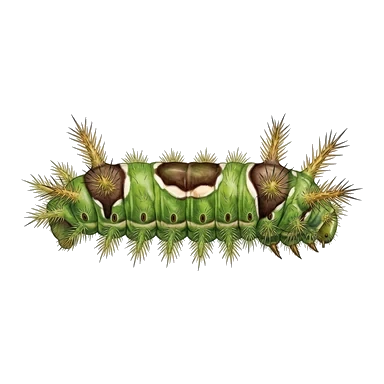 Stinging hairs
The oak processionary is a moth whose caterpillars feed on oak leaves and can strip trees bare. The caterpillars travel in long, nose-to-tail lines, which is how they got their name. Their fine, hair-like bristles can irritate skin and breathing, so they matter a lot to people.1
 How to recognise it
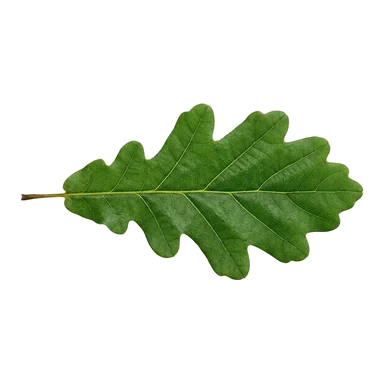
- Adult moths have a wingspan of 25 to 35 mm and are tan, brown and white, which makes them hard to see against oak bark.1
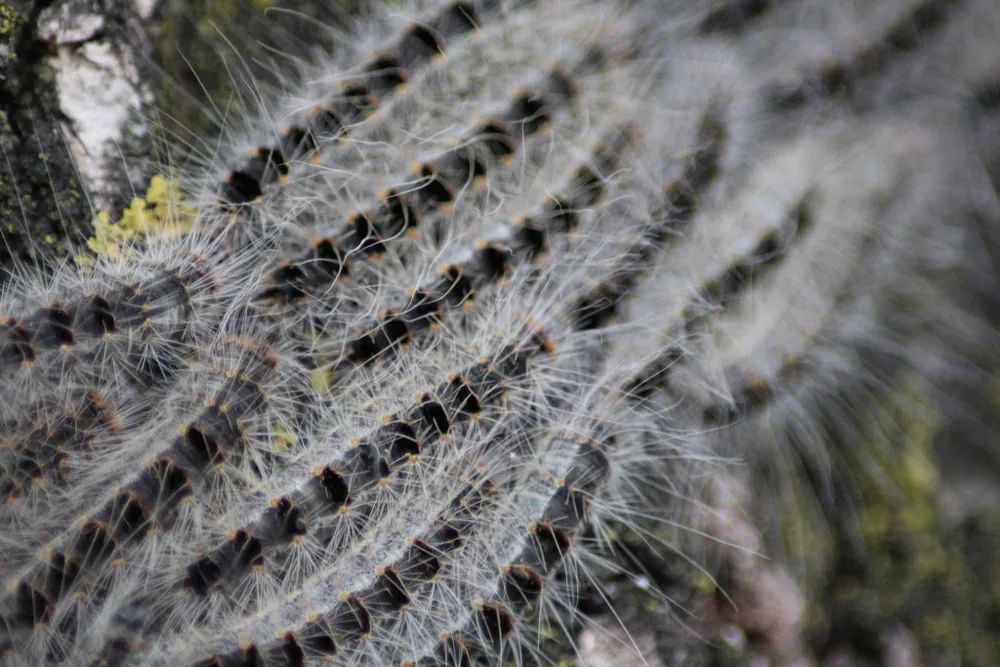
- Caterpillars have very long, white hairs that contrast with shorter hairs.1
- Caterpillars march in lines, often arrow-shaped, with a leader and rows of several caterpillars side by side.1
- Nests are white and silk-like when new, and become discoloured and hard to see over time.1
- Nests can be round, teardrop-shaped, bag-like or blanket-like, and can be found at any height on an oak tree.1
Often confused with: Caterpillars of several other species may be mistaken for the oak processionary. Unlike other caterpillars, the oak processionary does not live on fences or walls, so it is mostly found in oak trees or on the ground beneath them in late spring and early summer.1
Venom power
Tiny hairs or bristles break off in the skin and sting.
What does its venom do?
The caterpillars' back bristles contain a urticating toxin called thaumetopoein, a protein that irritates the skin. Contact can cause a papular rash and itching, and the hairs can also cause eye inflammation (conjunctivitis). If the hairs are breathed in, they can cause sore throat (pharyngitis), breathing problems, asthma, or in rare cases anaphylaxis, a severe allergic reaction.1
How dangerous is it to people?
Danger to people: PainfulIt can really hurt, but it is almost never serious.The moths are an increasing nuisance to people as their range grows, and the hairs can cause a skin condition called epidemic caterpillar dermatitis. The hairs break off easily, float in the air, and can stay harmful for several seasons. Mowing a lawn can bring people into contact with them.1
What does it do when it is scared?
The caterpillars defend themselves with thousands of pointed, easily broken bristles on their backs that float in the air and irritate the skin.1
 If you touch its hairs
Call your emergency number at once if the person has trouble breathing, swelling of the face or throat, or feels faint.
- Do not scratch. Pull hairs off the skin with sticky tape, then wash with soap and water and wash clothes. Rinse eyes with plenty of clean water. Antihistamine tablets can ease the itching. Call the emergency number if the person has trouble breathing or a severe reaction.1
- For stinging caterpillar hairs: lift them off with sticky tape, then wash the skin. Do not rub.
This is general first aid guidance, not medical advice. Based on the first aid guidelines of the World Health Organization and the Australian Resuscitation Council. Facts come from public sources and may contain mistakes. When in doubt, always get medical help. First aid basics
 Stay safe
- Never touch, catch or tease a wild animal, even a small one, and even if it looks asleep or dead.
- Give it space. If you meet one, stay calm, step back slowly and let it go its own way.
- If it hurts you: wash the spot, stay calm and get medical help if the pain is strong or spreads, or the person feels unwell.
It is not out to get you. It uses its venom to catch food or to protect itself, and it would much rather hide. More about staying safe
Where in the world?
How big is it?
How long is it?
 about as long as a paper clip
 slower than a garden snail
How big is Oak processionary compared to you?
Just maths in your browser. Nothing is saved or sent anywhere.
How fast is it?

Facts
Older caterpillars can have up to 63,000 pointed defensive bristles on their backs.1
In 2007, soldiers were deployed to burn infestations in the Belgian province of Limburg.1
The UK government spent £37 million trying to control the caterpillars, which had spread to all 33 London boroughs by 2019.1
In the Netherlands, great tits have been observed eating the young caterpillars before their hairs develop in April.1
In 2023, caterpillars were found on four oak trees in Dublin, and the nests and trees were destroyed.1
For venom experts
- Scientific name
- Thaumetopoea processionea
- Group
- Caterpillars & bugs
- Also called
- OPM1
- Family
- Notodontidae2
- Order
- Lepidoptera
- Continents
- Europe
- Babies
- Eggs hatch into caterpillars that build communal silk nests in oak trees, and the caterpillars later pupate into adult moths in these nests.1
- Danger to people
- 2 / 5: Painful3
Where the facts come from
- Oak processionary (Wikipedia (CC BY-SA 4.0))
- Thaumetopoea processionea (iNaturalist): names and classification.
- Venom Wiki: the danger level, the typical size and the speed guess are our own. See how we work them out: How we rate danger.
Every fact on this page has a number that points to its source. If we got something wrong, sorry, we are animal fans, not a science journal. Tell us at [email protected] and we will fix it.
Get the Venom Wiki app
Every creature, every picture and the games in your pocket, even without internet.


 Support Venom Wiki Venom Wiki is a one-man project: free, with no ads and no cookies. A small tip helps keep it online.Feed the scorpion
 Pine processionary
 Common bombardier beetle
 Brown-tail moth
 Masked hunter
 Pine-tree lappet
 Common backswimmer
 Common European adder
 Spanish fly
 Common wasp
 European hornet
 Fire salamander
 Western honey bee