
 Afrika
 Asie
Asie Evropa
 Jižní Amerika
 Austrálie a Oceánie
 Antarktida
 Tichý oceán
 Atlantský oceán
 Indický oceán
 Severní ledový oceán
 Středozemní moře
 Rudé moře
 Karibské moře
 Korálové moře
 Jihočínské moře
 Filipínské moře
 Andamanské moře
 Severní moře
 Timorské a Arafurské moře
 Bengálský záliv
 Kalifornský záliv
Common toad
 Toxin v kůži
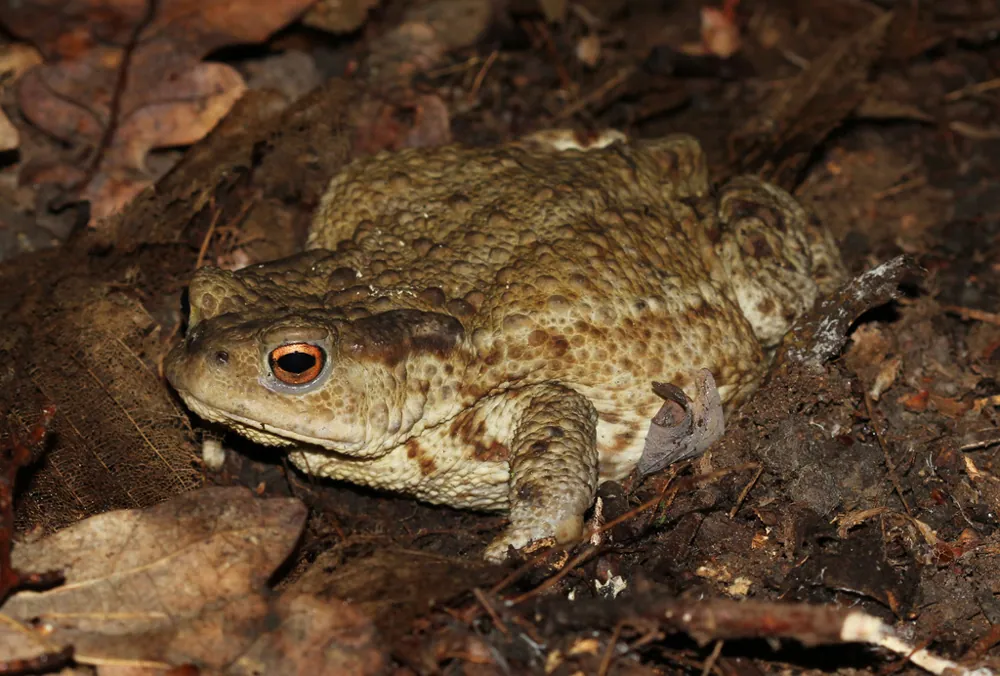
The common toad is a stout, warty toad that lives across most of Europe, in western North Asia and in a small part of northwest Africa. It hides under stones and leaves by day and hunts slugs, beetles and worms at night. Its skin releases a foul-tasting toxin that helps protect it from predators.1
 Jak ho poznat
- Greyish-brown, olive-brown or brown skin covered in small, wart-like lumps1
- Bulging paratoid glands just behind the eyes, which are a clear sign of a toad1
- Yellow or copper-coloured eyes with horizontal, slit-shaped pupils1
- No tail, no teeth, and no neck visible between the head and body1
- Walks slowly or makes short shuffling hops, rather than leaping1
Často se plete s: The natterjack toad is usually smaller and has a yellow band down its back. The European green toad has a distinctive mottled pattern. The paratoid glands of both of these run parallel to each other, not slanting as in the common toad. The common frog has a less rounded snout, damp smooth skin, and usually leaps.1
Síla toxinu
Jeho kůže je toxická. Je nebezpečné se jí dotýkat, olizovat ji nebo ji jíst.
Co dělá jeho toxin?
The toad is poisonous rather than venomous, so it does not inject venom. Its paratoid glands and other skin glands secrete a noxious, foul-tasting substance containing bufotoxin, which is enough to deter many predators. Grass snakes seem to be unaffected by it.1
Jak je nebezpečné pro lidi?
Nebezpečí pro lidi: BolestivéMůže to hodně bolet, ale skoro nikdy to není vážné.Co dělá, když se bojí?
When attacked, it inflates its body and stands with its hindquarters raised and its head lowered.1
 Pokud se ho někdo dotkl nebo ho snědl
- Pokud se ho někdo dotkl: pořádně si umyj ruce a nesahej si na oči ani do pusy. Pokud ho dítě nebo domácí zvíře olízlo nebo snědlo: volej toxikologické středisko nebo tísňovou linku.
Vždy nejdřív zavolej na tísňovou linku (112, 000, 911). Jde o obecné rady k první pomoci, ne o lékařskou radu. Základy první pomoci
 Buď v bezpečí
- Nikdy se nedotýkej divokého zvířete, nechytej ho a neprovokuj, ani malé, a ani když vypadá, že spí nebo je mrtvé.
- Nech mu prostor. Když ho potkáš, zůstaň v klidu, pomalu couvej a nech ho jít svou cestou.
- Po dotyku nebo snězení: netři si oči ani pusu, umyj si ruce a vyhledej lékařskou pomoc.
Nejde po tobě. Jeho toxin je tu jen proto, aby ho nikdo nesnědl. Víc o bezpečí
Jak je velké?
Jak je dlouhé?
 dlouhé jako 5 stavebnicových kostek v řadě
 100 metrů za 180 s (nejrychlejší člověk potřebuje 9,6)
Common toad: jak je velké ve srovnání s TEBOU?
Jen matematika ve tvém prohlížeči. Nic se neukládá ani nikam neposílá.
Jak je rychlé?


Fakta
Common toads have been recorded at depths of about 99 m in Loch Ness, Scotland, which surprised researchers because it is an air-breathing animal.1
Crows have been seen puncturing the toad's skin and pecking out its liver to avoid the toxin.1
They can live for about ten to twelve years in the wild and have survived for fifty years in captivity.1
Toads can see prey in low light where humans cannot see anything.1
Adults often return to the same breeding pond year after year, and over 80% of males marked as juveniles were found to return to the pond where they were spawned.1
Pro znalce jedů
- Vědecký název
- Bufo bufo
- Skupina
- Pralesničky, ropuchy a čolci
- Rodina
- Bufonidae2
- Pořadí
- Anura
- Kontinenty
- Evropa, Asie
- Mláďata
- The female lays eggs in gelatinous strings in the water. These hatch into tadpoles, which take several months to grow and sprout limbs before becoming tiny toads.1
- Délka života
- asi 10 let1
- Jak se mu daří v přírodě
- Least Concern1
- Nebezpečí pro lidi
- 2 / 5: Bolestivé3
Odkud fakta pocházejí
- Common toad (Wikipedia (CC BY-SA 4.0))
- Bufo bufo (iNaturalist): jména a zařazení.
- Venom Wiki: úroveň nebezpečí, typická velikost a odhad rychlosti jsou naše vlastní. Podívej se, jak je určujeme: Jak hodnotíme nebezpečí.
Každý fakt na této stránce má číslo, které odkazuje na jeho zdroj. Pokud jsme se spletli, promiň, jsme fanoušci zvířat, ne vědecký časopis. Napiš nám na [email protected] a opravíme to.
 Štír má hlad! Venom Wiki je projekt jednoho člověka: zdarma, bez reklam a bez sledování. Malé spropitné pomáhá udržet ho online.Nakrm štíra
Víc ze stejné skupiny: Pralesničky, ropuchy a čolci
 Fire salamanderPralesničky, ropuchy a čolciJen to bolíNedotýkat se
 Japanese fire-bellied newtPralesničky, ropuchy a čolciPotřebuje lékařeNedotýkat se
 European fire-bellied toadPralesničky, ropuchy a čolciNeškodné
 Iberian ribbed newtPralesničky, ropuchy a čolciNeškodné
 Natterjack toadPralesničky, ropuchy a čolciNeškodné
 Oriental fire-bellied toadPralesničky, ropuchy a čolciNeškodné
 Common European adder
 Spanish fly
 Common wasp
 European hornet
 Western honey bee
 Blunt-nosed viper