
 Afrika
 Asien
Asien Europa
 Südamerika
 Australien & Ozeanien
 Antarktis
 Pazifischer Ozean
 Atlantischer Ozean
 Indischer Ozean
 Nordpolarmeer
 Mittelmeer
 Rotes Meer
 Karibisches Meer
 Korallenmeer
 Südchinesisches Meer
 Philippinensee
 Andamanensee
 Nordsee
 Timorsee & Arafurasee
 Golf von Bengalen
 Golf von Kalifornien
Textile cone
 Stiche
The textile cone is a venomous sea snail. It is a mollusc with a patterned shell, and it hunts other snails at night. It lives in warm seas around Africa, Australia and the Pacific, and it can sting people, so it is important to know it.1
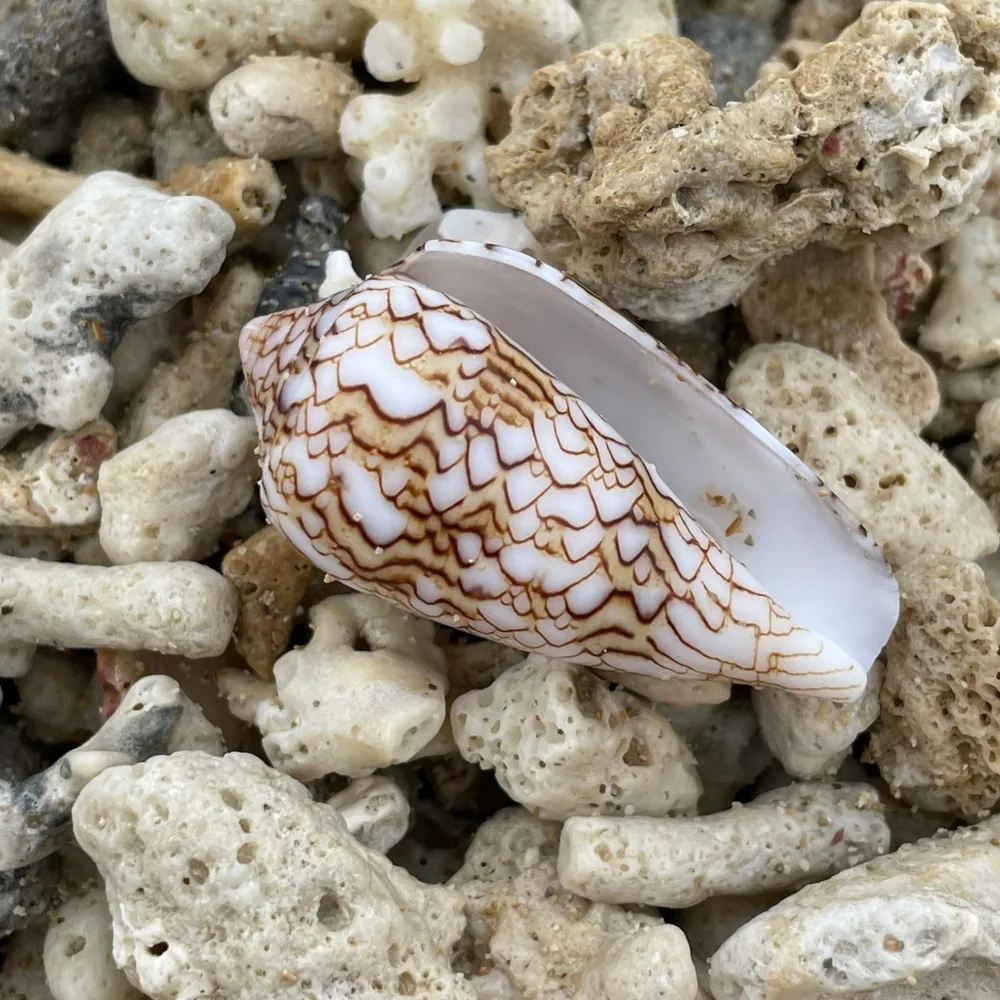
 So erkennst du es
Giftkraft
Das Gift kommt durch einen Stachel heraus.
Was macht sein Gift, wenn es beißt oder sticht?
Its venom is a conotoxin, a mix of toxins injected through the harpoon-like radular tooth. The venom contains the neurotoxin RPRFamide, which attacks the nerves.1
Wie gefährlich ist es für Menschen?
Gefahr für Menschen: Sehr gefährlichEs kann einen Menschen töten, der keine Behandlung bekommt.Several human deaths have been attributed to this species. A 2004 report linked about 30 human deaths to cone snails as a group. Live animals should be handled carefully or not at all, and anyone handling one without protecting exposed skin is at risk.1
 Wenn es sticht
- Druck-Immobilisation: Wickle eine feste elastische Binde über den Biss und dann über den ganzen Arm oder das ganze Bein, leg eine Schiene an und halte die Person völlig still, bis Hilfe kommt.
- Ein Blauring-Krake oder eine Kegelschnecke kann die Atmung eines Menschen stoppen, während er noch wach ist: Ruf Hilfe und sei bereit, Atemspende zu geben, bis der Rettungsdienst übernimmt.
Ruf immer zuerst deine Notrufnummer an (112, 000, 911). Das sind allgemeine Erste-Hilfe-Hinweise, keine ärztliche Beratung. Erste-Hilfe-Grundlagen
 Bleib sicher
- Fass ein wildes Tier niemals an, fang es nicht und ärgere es nicht, auch kein kleines, und auch nicht, wenn es schlafend aussieht oder tot.
- Halte Abstand. Wenn du einem begegnest, bleib ruhig, geh langsam zurück und lass es seiner Wege gehen.
- Wenn dich eines sticht: Bleib ruhig, halt still, ruf deine Notrufnummer an (112, 000, 911) oder fahr schnell in ein Krankenhaus. Merk dir, wie es aussah, ein Foto hilft.
Es hat es nicht auf dich abgesehen. Es benutzt sein Gift, um Futter zu fangen oder sich zu schützen, und versteckt sich viel lieber. Mehr über Sicherheit
Wo auf der Welt?
Wie groß ist es?
Wie lang ist es?
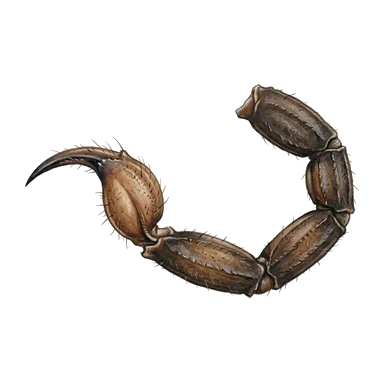
 so lang wie 5 Bausteine in einer Reihe
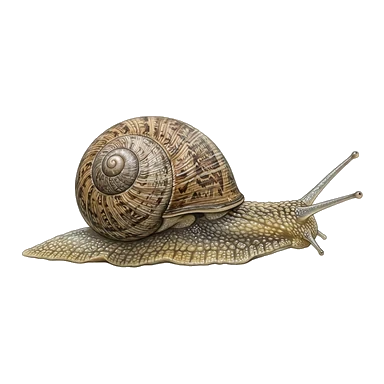
 langsamer als eine Weinbergschnecke
Wie groß ist Textile cone im Vergleich zu DIR?
Nur Rechnen in deinem Browser. Nichts wird gespeichert oder irgendwohin geschickt.
Wie schnell ist es?

Fakten
Its shell pattern is made by natural cellular automata, and it resembles Wolfram's rule 30 pattern.1
The pigment cells that make the pattern sit in a narrow band along the shell's lip, and each cell responds to its neighbours.1
Its proboscis can reach any part of its own shell.1
In Australia it is most common in northern Queensland, but sightings are spreading south into New South Wales as ocean temperatures warm with climate change.1
Its larvae drift in the current for about 16 days before settling on the bottom of the sea.1
Für Giftexperten
- Wissenschaftlicher Name
- Conus textile
- Gruppe
- Kegelschnecken & Kraken
- Familie
- Conidae2
- Ordnung
- Neogastropoda
- Kontinente
- Indischer Ozean, Pazifischer Ozean, Korallenmeer, Rotes Meer, Philippinensee, Arabisches Meer & Persischer Golf, Timorsee & Arafurasee, Golf von Bengalen, Die Ozeane
- Babys
- The female lays several hundred eggs at a time. They hatch after about 16 or 17 days, and the larvae float in the current for about 16 days before settling on the sea floor at about 1.5 mm long.1
- Gefahr für Menschen
- 4 / 5: Sehr gefährlich3
Woher die Fakten kommen
- Conus textile (Wikipedia (CC BY-SA 4.0))
- Conus textile (iNaturalist): Namen und Klassifikation.
- Venom Wiki: die Gefahrenstufe, die typische Größe und die geschätzte Geschwindigkeit sind von uns. So berechnen wir sie: So bewerten wir die Gefahr.
Jeder Fakt auf dieser Seite hat eine Nummer, die auf seine Quelle zeigt. Wenn wir etwas falsch haben: Entschuldigung, wir sind Tierfans, keine Fachzeitschrift. Schreib uns an [email protected] und wir korrigieren es.
 Der Skorpion hat Hunger! Venom Wiki ist ein Ein-Mann-Projekt: kostenlos, ohne Werbung und ohne Tracker. Ein kleines Trinkgeld hilft, es online zu halten.Füttere den Skorpion
Mehr aus derselben Gruppe: Kegelschnecken & Kraken
 Geography coneKegelschnecken & KrakenTödlich
 Greater blue-ringed octopusKegelschnecken & KrakenTödlich
 Southern blue-ringed octopusKegelschnecken & KrakenTödlich
 Blue sea dragonKegelschnecken & KrakenTut nur weh
 Common octopusKegelschnecken & KrakenHarmlos
 Giant Pacific octopusKegelschnecken & KrakenHarmlos
Lebt auch in: Indischer Ozean
 Australian box jellyfishQuallen & Nesseltiere im MeerTödlichNicht anfassen
 Hawksbill sea turtleAndere passiv giftige TiereKann töten
 Irukandji jellyfishQuallen & Nesseltiere im MeerKann tötenNicht anfassen
 Reef stonefishGiftfischeKann tötenNicht anfassen
 Crown-of-thorns starfishSeeigel, Seesterne & WürmerBraucht einen ArztNicht anfassen
 Portuguese man o' warQuallen & Nesseltiere im MeerBraucht einen ArztNicht anfassen